ما هي حقيبة التبريد؟ دليل شامل للمواد ومصادرها
Cooler bags are widely used in food delivery, outdoor activities, grocery shopping, and promotional products. If you are new to this category, this guide explains the basic structure, common materials, and market applications of cooler bags to help you better understand this product category.
#1 What Is a Cooler Bag?
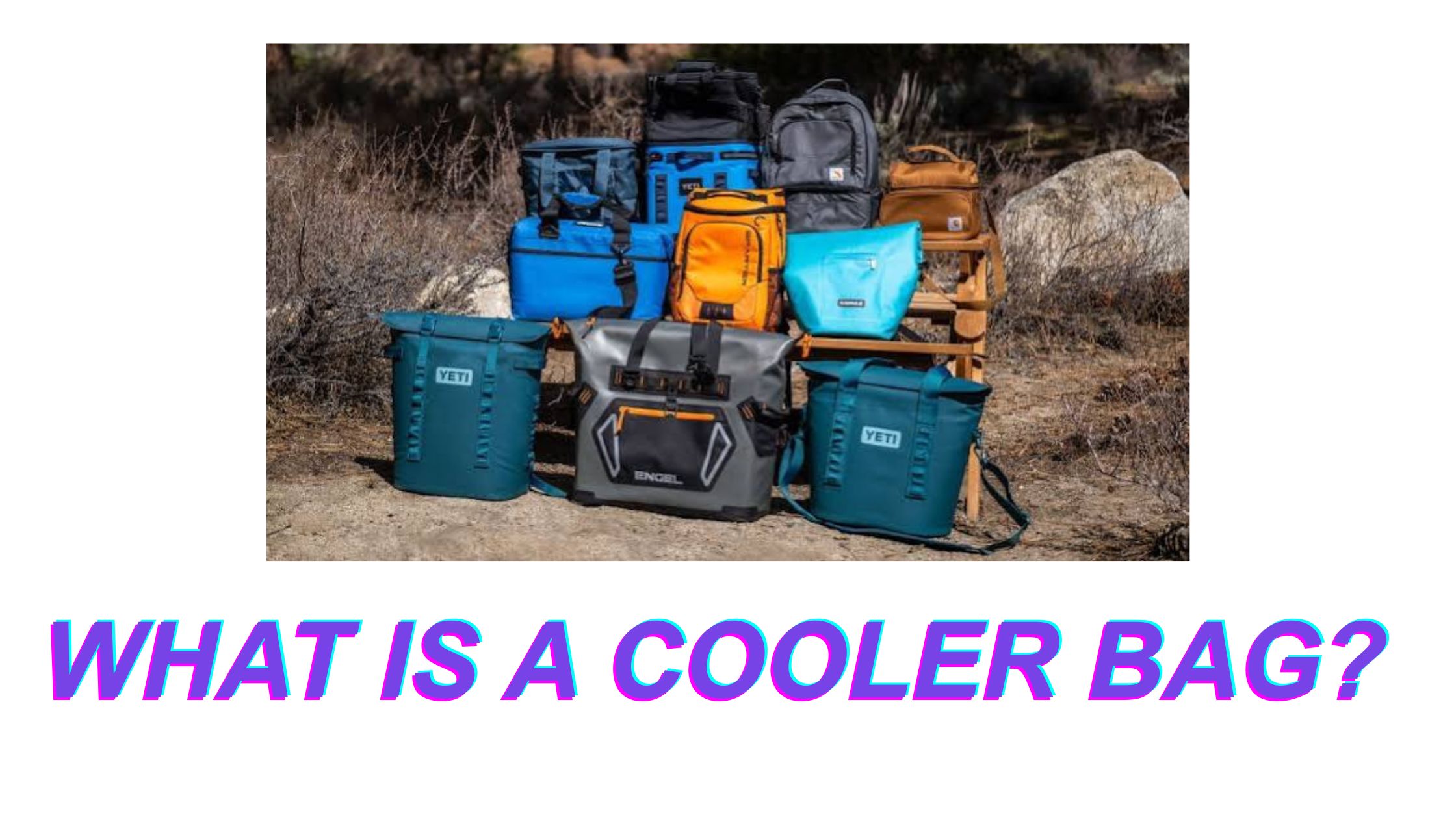
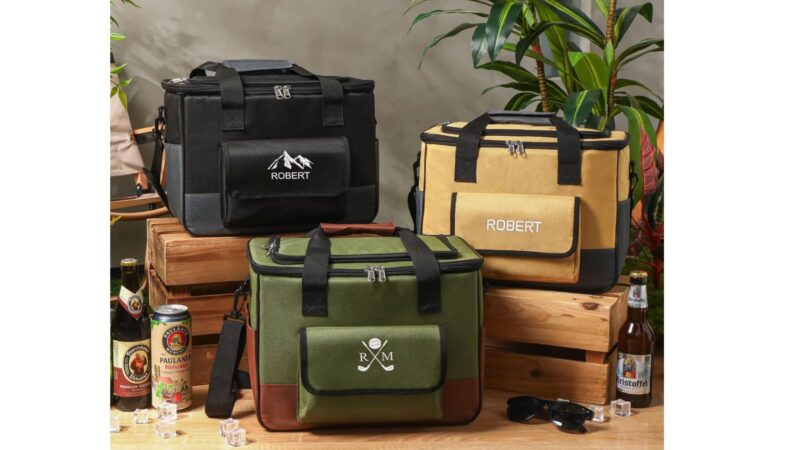
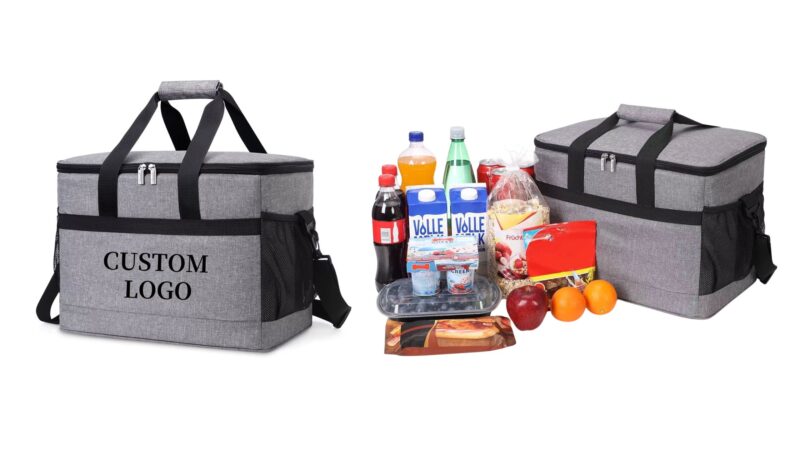
Cooler bags, also known as soft coolers, are soft, insulated bags that use insulating materials to slow heat transfer and help maintain the temperature of food, drinks, or other temperature-sensitive items. Compared with hard coolers, cooler bags are lighter, easier to ship, and require lower storage costs, making them a practical choice for large-volume wholesale and retail markets. They are widely used for food delivery, outdoor activities, promotional gifts, and custom insulated cooler bags.
#2 How Does It Work
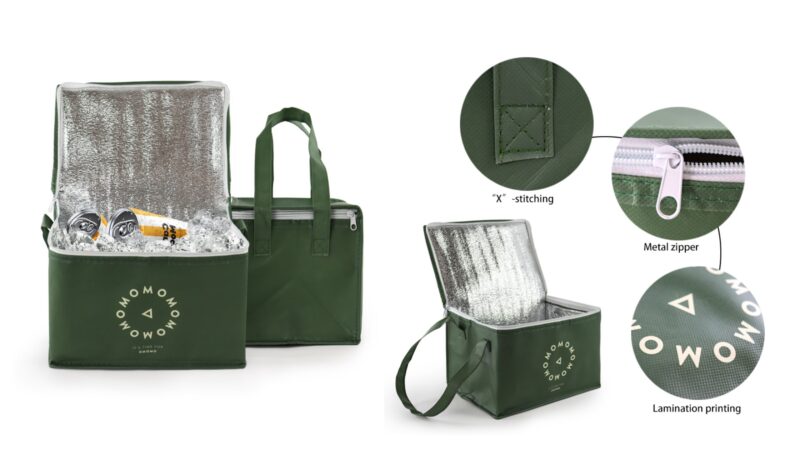
A cooler bag maintains its temperature with its three key layers: outer shell, insulation foam, and inner liner. The insulated materials can slow down heat transfer between the outside environment and the inside of the bag, and the cooler liners help improve leak protection and make the cooler bag easy to clean. Different materials, thicknesses, and structure designs will affect the quality and price of cooler bags. For buyers, understanding this structure helps evaluate product quality, manufacturing costs, and suitable market positioning before placing bulk orders.
#3 The Three Key Layers of a Cooler Bag
The material structure of a cooler bag directly affects production costs, product quality, shipping efficiency, and market positioning. For buyers, understanding the outer shell, insulation foam, and inner liner helps compare suppliers, control costs, and choose products for different markets.
#3.1 Outer Shell (Outer Fabric)
The outer shell is the outermost protective layer of a cooler bag. It mainly affects the durability, appearance, product positioning, and cost of a cooler bag. Different markets usually choose different outer shells:
600D Oxford Fabric: A Popular Choice for Everyday Cooler Bags
600D Oxford fabric is one of the most widely used materials for cooler bags because it offers good durability, competitive pricing, and easy customization, making it a practical choice for large-volume wholesale orders and private-label projects.
It is widely used in retail and mid-range cooler bags, ، مثل lunch cooler bags, insulated grocery shopping bags, and insulated picnic totes. It is also popular for custom insulated bags that require logo printing and large quantities.
TPU Laminated Fabric: For Premium Outdoor Cooler Bags
TPU laminated fabric is commonly used for premium cooler bags because it provides excellent waterproof protection and supports RF-welded construction. Although material costs are higher, it helps brands develop higher-value products مع stronger profit potential in outdoor markets.
Common TPU fabric sizes include 840D TPU laminated nylon and 1680D TPU fabric. These materials are often selected for cooler bags that require higher durability and a premium appearance. They are mainly used for premium outdoor cooler bags، مشتمل camping coolers, fishing coolers, marine cooler with wheels, and high-end soft coolers.
#3.2 Insulation Foam
Insulation foam is the core material that slows heat transfer and directly affects insulation performance, product cost, and market positioning.
EPE Foam
EPE foam is one of the most widely used insulation materials for cooler bags. It offers reliable insulation at a competitive cost. EPE foam also has a mature supply chain, making it suitable for stable production and large-volume wholesale orders.
It is commonly used in everyday coolers, including lunch coolers, insulated grocery shopping bags, promotional cooler bags, and other budget-friendly cooler products.
EVA Foam
EVA foam provides better structure, durability, and shape retention compared with EPE foam. Although EVA foam increases production costs, it helps reduce product deformation during transportation while supporting higher product pricing.
It is mainly used for premium outdoor coolers, sports water coolers, and heavy-duty soft coolers that require better support and durability.
#3.3 Inner Liner:
Cooler liners are the part that directly contacts the food and drinks inside the cooler bags. It mainly affects leak protection, user experience, and food-contact safety.
PEVA liner
PEVA liner is the most common liner material because it balances food safety, waterproof performance, and manufacturing efficiency. Heat-sealed PEVA liners can also help reduce leakage complaints, lowering after-sales service costs.
PEVA liner is widely used in lunch coolers, insulated grocery shopping bags, and everyday coolers because it provides a good balance between cost and functionality.
TPU Liner
TPU liner offers stronger waterproof protection and better durability than standard liner materials. It supports premium product positioning and higher selling prices in outdoor markets.
TPU liner is mainly used in premium outdoor cooler bags, marine coolers with wheels, and fishing coolers, especially when combined with RF welding technology.
Understanding these materials helps buyers evaluate cooler bag quality and choose suitable products for different market needs. Cooler bags are also becoming popular because of their flexibility, cost advantages, and customization opportunities.
#4 Why Cooler Bags Are Becoming More Popular
Cooler bags are becoming a popular alternative to traditional hard coolers because they offer better flexibility, lower shipping costs, and more customization options for different markets.
- Lower Shipping Costs
Their lightweight and foldable design reduces shipping costs. It also improves container loading efficiency for large-volume orders. - Lower Storage Requirements
Foldable cooler bags take up less warehouse space than hard coolers. This helps buyers reduce storage costs and manage inventory more efficiently. - Easy Customization
The large fabric surface makes logo printing and custom designs easier. This helps brands develop private-label and promotional products. - Wide Market Demand
Cooler bags are used for lunch, grocery shopping, food delivery, and outdoor activities. This allows buyers to serve different customer groups with one product category.
#5 How Material Combinations Affect Cooler Bag Positioning
Different cooler bags use different material combinations depending on cost, quality requirements, and target applications. The combination of outer shell, insulation foam, and inner liner determines the product’s durability, insulation ability, and market positioning.
#5.1 Cost-effective Material Combination
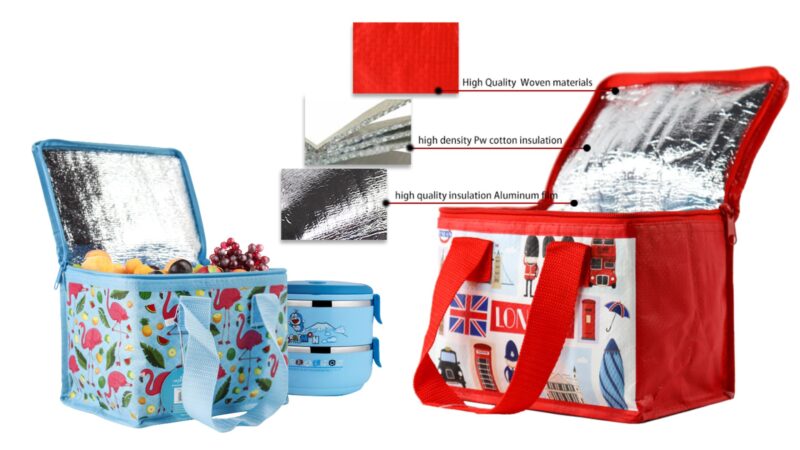
Non-woven / Lightweight Polyester + 3mm EPE Foam + Aluminum Foil
This material combination focuses on cost efficiency and basic insulation needs. Lightweight outer fabrics and thinner insulation layers help reduce production costs while maintaining basic temperature protection. These features make the combination a practical choice for promotional products, price-sensitive markets, and large-volume orders.
It is commonly used for:
- Promotional cooler bags
- Giveaway products
- Large-volume orders
#5.2 Retail Cooler Bags
600D Oxford + 5-8mm EPE/XPE Foam + Heat-sealed PEVA
This is one of the most common structures for retail cooler bags. It offers an excellent combination of durability, insulation, and affordability, making it suitable for buyers looking for stable quality and broad market demand.
It is commonly used for:
- Lunch coolers
- Insulated grocery shopping bags
- Everyday coolers
#5.3 Premium Material Combination
840D TPU Laminated Nylon + EVA Foam + RF-welded TPU
This combination is designed for higher-end cooler bags that require stronger waterproof protection, durability, and premium appearance. Although production costs are higher, it supports premium product positioning and stronger profit margins.
It is commonly used for:
- Camping coolers
- Fishing coolers
- Marine cooler with wheels
| Product Position | Common Structure | Business Value |
| Cost-effective | Non-woven + EPE + Aluminum Foil | Low investment for bulk orders |
| Retail | Oxford + EPE/XPE + PEVA | Stable demand across retail channels |
| غالي | TPU + EVA + RF-welded TPU | Higher selling prices and profit potential |
#6 How to Choose a Good Cooler Bag
When selecting cooler bags, buyers should consider whether the material combination matches their target customers and price range.
#6.1 Material Combination
Choose material combinations that match your target market and price positioning. Different structures affect production costs, product quality, and customer expectations.
#6.2 Transportation and Storage
Foldable structures and lightweight materials can reduce shipping and warehousing costs, especially for international buyers and large-volume orders.
#6.3 Quality and Leak Protection
Reliable liners, sealing methods, and manufacturing quality help reduce leakage risks, product returns, and after-sales costs.
#6.4 Customization and Market Fit
Choose products that match your target customers while offering suitable customization options, such as logos, colors, and packaging, to improve market competitiveness.
خاتمة
Choosing the right cooler bag starts with selecting the right materials, product positioning, and manufacturing partner. If you’re looking for reliable suppliers, customized products, or sourcing support, TonySourcing helps connect you with qualified manufacturers and provides professional sourcing solutions for your business.
التعليمات:
- Which cooler bag materials are best for wholesale?
أ: There is no single best material. Cost-effective combinations are suitable for promotional products, while TPU and EVA structures are better for premium outdoor markets. The right choice depends on your target customers and price positioning.
- Do cooler bag manufacturers offer OEM and ODM services?
Yes. Many manufacturers provide both OEM and ODM services, including custom logos, colors, materials, sizes, packaging, and structural designs. The available options usually depend on the supplier’s production capabilities and MOQ requirements.
- What is the difference between a cooler bag and a hard cooler?
Cooler bags are lightweight, foldable, and easier to transport, while hard coolers usually provide stronger rigid protection. Cooler bags are often preferred when storage space, shipping efficiency, and customization options are important.
- What factors affect the cost of a cooler bag?
The cost of a cooler bag is affected by materials, insulation thickness, liner construction, zipper design, size, and customization requirements. Higher-quality materials and advanced waterproof structures usually increase production costs but provide better product value.
- How can buyers reduce sourcing risks when importing cooler bags?
Before placing bulk orders, buyers should confirm product specifications, material quality, samples, and testing requirements. Working with experienced suppliers also helps reduce quality issues and delivery risks.