
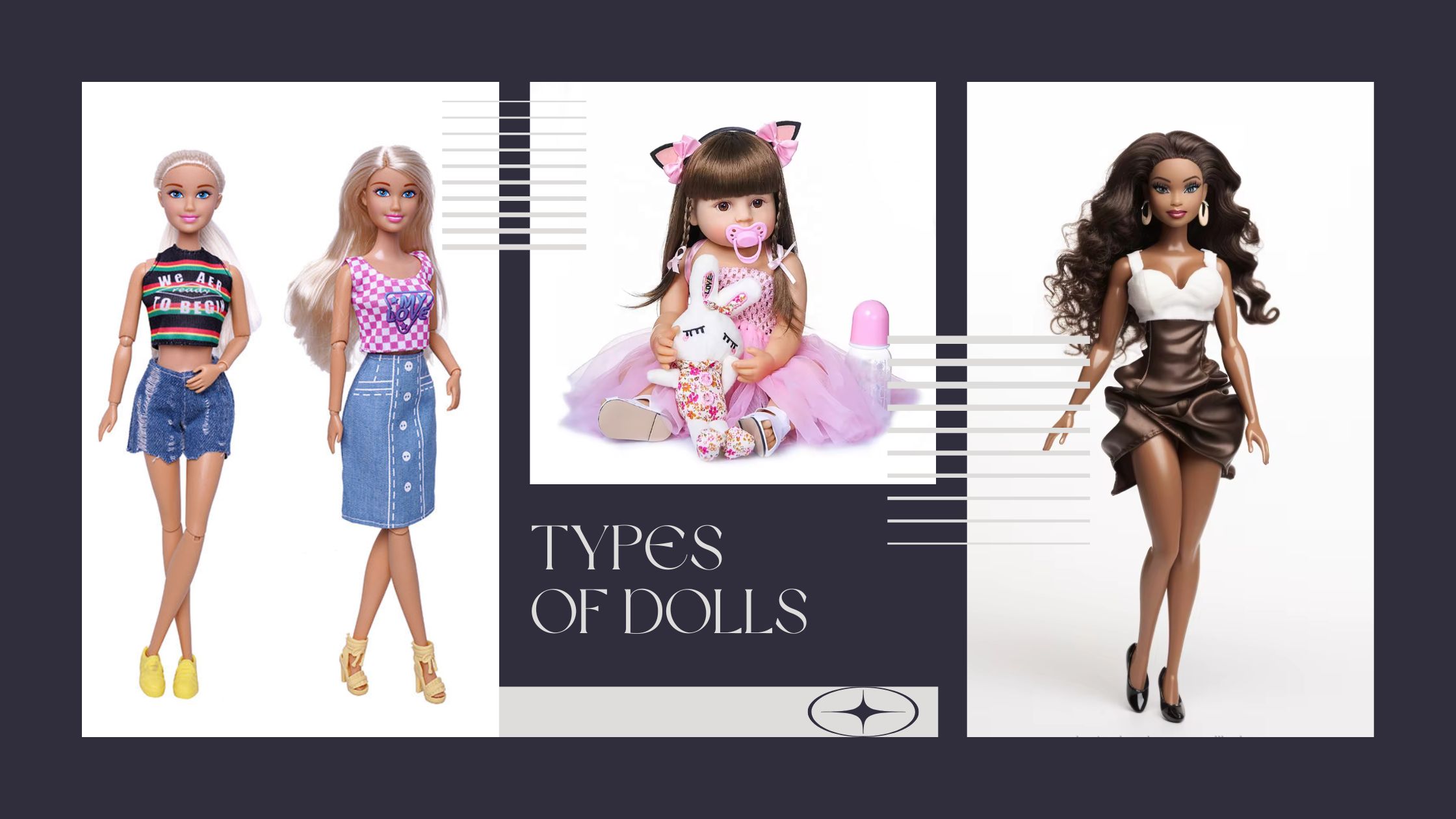
7 Mainstream Types of Dolls: The Ultimate Wholesale Guide
In the doll market, various types of dolls cater to the diverse needs of children, including educational, companionship, and gift purposes. This guide will help you better understand mainstream types of dolls and assist you in making your product layout. According to the mainstream of the market, we divide dolls into the following seven categories, each of which includes its characteristics, target customers, and sales value:
#1 Fashion Dolls
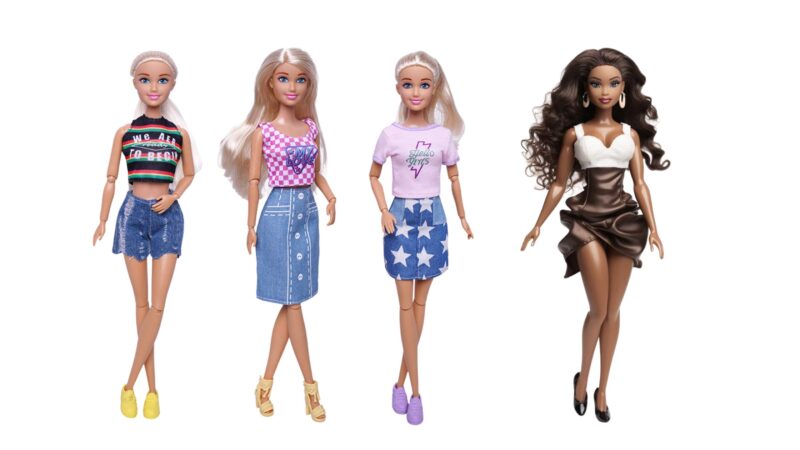
Fashion dolls are mainly designed to wear modern and fashionable clothing, and the material is mostly durable vinyl plastic. They are the most common doll type in the market.
You can change their clothes, shoes, accessories, or be styled. Fashion dolls, such as Bratz dolls and Barbie dolls, help children build their sense of color matching, style, and fashion through dressing-up games. Custom Barbie-style dolls are popular now.
Fashion dolls are not only loved by children but also suitable for gift-giving, with a stable demand. They have various styles that update quickly. Clothing and accessories can be sold alone or in sets, which is necessary for long-term sales, providing additional profit opportunities for doll wholesalers.
#2 Baby Dolls
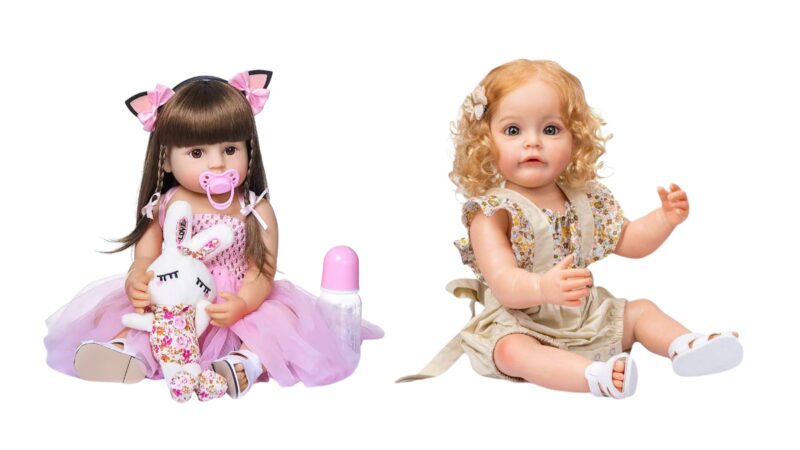
Baby dolls are a doll type with infant appearances, emphasizing realism and the caring experience. It is one of the basic categories in the doll market and is a regular bestseller.
Through the experience of taking care of the baby, children can easily develop empathy and helping behavior, thus having educational significance. They are suitable for various scenarios, such as families and early childhood education.
It is mainly divided into two types. The soft type is mostly made of fabric or soft rubber, which is safer and more suitable for young children. The hard type is mostly made of vinyl plastic, with a more sturdy structure, and is suitable for older children.
The demand for babydolls is consistently stable, covering a wide range of age groups, with various accessories. They are often sold as sets, such as bottles, clothing, and beds, which helps to improve profits and is the best choice for long-term sustainable sales.
#3 Plush Dolls
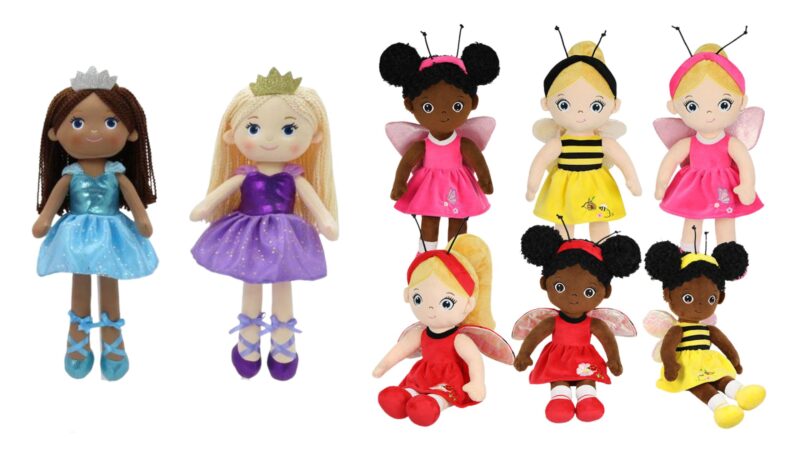
Plush dolls are soft, high-selling dolls. Their outer layer is usually made of soft fabric such as fur fabric, velvet, felt, or cotton fabric, while the inner part is filled with polyester fiber cotton.
Plush dolls have high safety and comfort. For young children, it is also skin-friendly and suitable as the first doll for a baby, which has a simple and durable structure.
Most of them support direct cleaning and are available in many different designs. such as human figures, animals, or classic cartoon characters, making them suitable for a wider age range than the previous two types of dolls
It has a high market share in the gift market and obvious sales growth in festive seasons. For wholesalers, they are suitable for promotion and gift sets, and accessories can be sold separately to drive additional profit. It is also an ideal choice to collaborate with popular IPs to enter the middle market
#4 Character Dolls
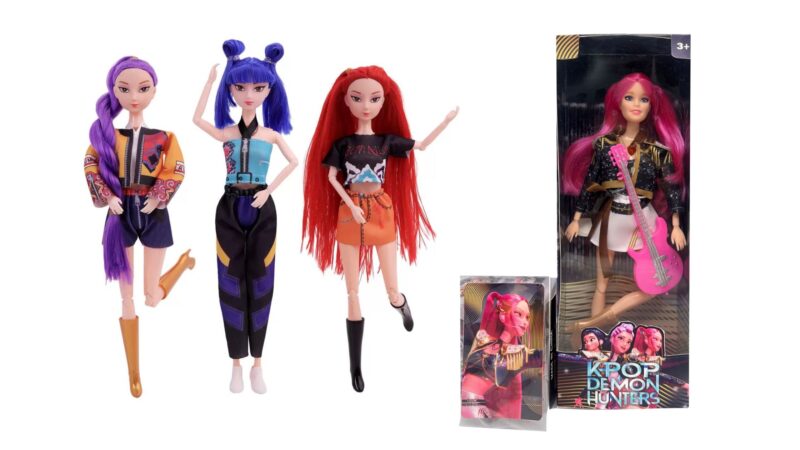
Character dolls are designed based on movies, games, or well-known characters, emphasizing high recognition and high reenactment degree. They are sold based on the influence of the characters.
character doll requires a high-detailed replication for clothing, hairstyles, and accessories. Its materials are diverse, and they are often sold in combination with accessories related to the character or scene sets to increase sales. It can also increase the profit margin by offering limited-edition and time-limited products.
Its advantage is that it already has a stable fan base, which means it has a soild sales foundation. Sales tend to peak when movies are released or on their anniversary. However, most character dolls require official authorization, which is also a significant challenge for this category.
#5 Interactive Dolls
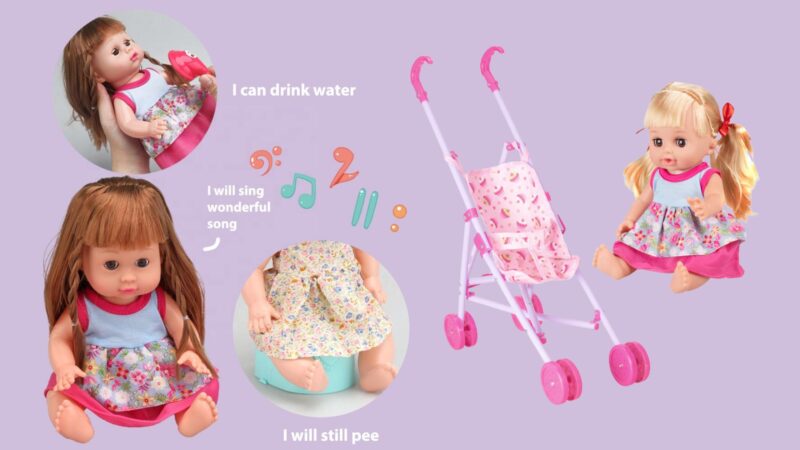
The key features of Interactive dolls include built-in sensors and electronic components, emphasizing interactive experiences. They not only meet entertainment needs but can also be used for knowledge education and language development. They are suitable for children aged three and above and are often used in early education and companionship scenarios.
They can respond to touch, sound, or movement. Some of them support recording and singing, such as interactive talking dolls. The materials are mostly plastic or vinyl, with various gameplays, which are durable and safe.
As a mid-to-high-end product, its price and profit are relatively high, making it suitable for optimizing product layout. Although its demand is stable, it has requirements for the quality of electronic components, certification, and after-sales service, which require you to pay attention to safety certification.
#6 Role Play Dolls
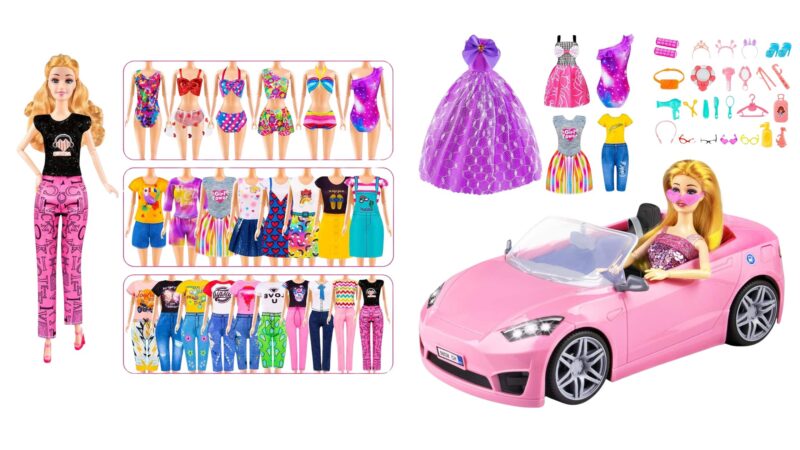
Role-play dolls are used for role-playing games, focusing on simulating real-life, with various settings and occupations, such as family, doctor, teacher, etc. They are suitable for children aged three and above with different preferences.
Most of these dolls are made of safe plastic, which is suitable for frequent play and long-term use. They have diverse accessories, gameplay options, and long service lives. Through interaction of characters and scenarios, children can enhance their cognitive, expressive, social communication, and basic life knowledge, which balances entertainment and educational aspects.
For wholesale, role-play dolls increase profits by selling separate sets of rich scenarios and accessories, while adding new scenes and figures to attract repeat purchases. Its diverse gameplay and durability enable it to consistently hold a position in the doll market.
#7 DIY Dollhouse Dolls
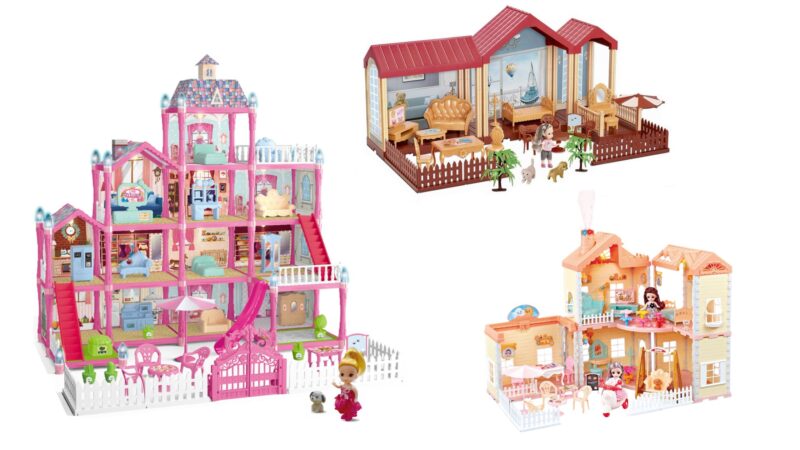
DIY dolls refer to making a doll by oneself. The gameplay includes DIY Barbie doll, DIY doll house, DIY dollhouse furniture, and various DIY crafts for dolls.
Children get highly involved in the making process, invest their emotions, enjoy achievement, and build practical ability and creativity. Each doll is highly personalized and presents a unique style.
Its materials are diverse, including plastic, fabric, and plush, making it safe, durable, and reusable. Children can play alone, but also suitable for party craft projects or young people’s social activities. Gameplay is flexible and not easy to become outdated.
For wholesalers, its various matching tools and accessories can bring extra profits. Creative finished products and interesting production processes can attract traffic and expand the customer base. Its uniqueness gives it greater value and higher profits.
Final Thought
Understanding the unique advantages of different kinds of dolls and wholesale value can help you better plan product layout, increase profits, and meet the different needs of customers. To get more high-quality doll resources and purchasing information, you can always follow توني سورسينج to select products that suit your market, making purchases easier and more efficient.
التعليمات
Q: Which type of doll has the highest profit?
A: Character Dolls, Interactive Dolls, and DIY Dolls have high profit potential. They have high unit prices, various gameplay, and limited editions or accessories can also bring in additional income.
Q: How can accessories bring about sustained profits?
A: By selling accessories separately or in sets, it can promote repeat purchases, while continuously launching new components and scenarios, thus bringing about long-term and stable profits.
Q: How to choose the size of the doll?
A: Small-sized dolls (10-20cm) are suitable for promotion, medium-sized (25-35cm) is the mainstream market size, large-sized (more than 40cm) is more suitable for gifts, and the high-end market.
Q: How to judge whether a new doll has market potential?
A: You can first check whether it conforms to the general aesthetic standards, whether the price is reasonable, and whether it can be sold together with accessories.
Q: What about safety certificates?
A: Wholesalers should check that dolls have the required safety certificates for the target market, such as CE, EN71, ASTM, and any local standards.




 AR
AR  EN
EN  ES
ES  DE
DE