Spielzeug-Kaufberatung: Von der Herstellung bis zum Markterfolg
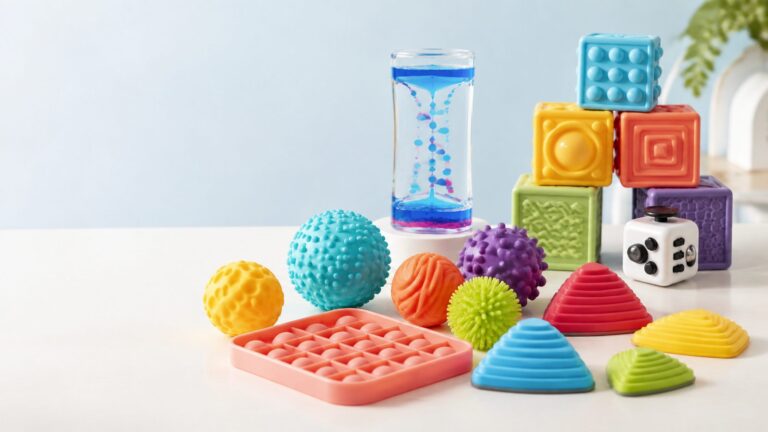
For a brand owner, the toy industry is one of the most rewarding yet challenging sectors to enter. It’s not just about “fun and games”; it’s about safety standards, material science, and supply chain precision. Whether you are developing a new educational line or sourcing trending items, this toys buying guide will take you through everything from the history of play to the factory floor.
1. Understanding the Basics: What is Toys?
Before we talk about containers and margins, let’s define the product. What is toys? In the simplest terms, a toy is an object intended for play, usually for children, but often for adults (the “kidult” market).
However, in B2B terms, a toy is a regulated consumer product that must meet strict mechanical and chemical safety requirements. The toys function goes beyond entertainment; it serves as a tool for cognitive development, motor skill improvement, and social interaction.
2. The History and Evolution of Toys
To understand where the market is going, we must look at the history of toys timeline.
- The First Toy: It is difficult to pinpoint the exact first toy, but archaeologists have found dolls and toy whistles dating back thousands of years.
- The Oldest Toy in the World: Most historians agree that the oldest toy in the world is likely the Puppe, though marbles and spinning tops follow closely behind.
- Who Invented Toys? No single person “invented” toys; they evolved naturally as humans used sticks, stones, and clay to mimic adult life.
- The Evolution of Toys: We have moved from natural toys material like wood and bone to sophisticated polymers and electronic components. This evolution of toys has shifted the focus from simple manual play to interactive, STEM-based learning.
3. How are Toys Manufactured? (The B2B Perspective)
For brand owners, understanding the toy manufacturing process is vital for quality control. So, how toys are made depends entirely on the category.
The Manufacturing Process:
- Design & Prototyping: Creating 3D models and safety testing the “logic” of the toy.
- Molding (For Plastic Toys): Most plastic examples of toys (like Bausteine or action figures) are made via injection molding. This requires a high upfront investment in molds.
- Montage: How are toys manufactured in the plush category? This involves precision fabric cutting and industrial sewing, often requiring more manual labor than plastic toys.
- Finishing & Testing: Painting, decaling, and most importantly, safety testing for small parts or sharp edges.
Common Toys Material:
- ABS/PP Plastic: Durable and safe for molding.
- Silicone: Popular for teething toys and “zappeln” products.
- Sustainable Wood: High-end, eco-friendly brands focus on beech or rubberwood.
- Textilien: Organic cotton or polyester for plush items.
4. Market Demand: Uses and Costs
When planning your inventory, you need to understand the uses of toy products in the modern household. Today’s parents are looking for specific toys function—such as “open-ended play” or “sensory regulation.”
How much does toys cost? In the sourcing world, the “landed cost” depends on:
- MOQ (Minimum Order Quantity): Custom molds for plastic toys can cost between $2,000 and $10,000 before a single unit is produced.
- Material Quality: Transitioning from standard plastic to recycled ocean plastic can increase costs by 15–30%.
A common question for market research is, How many toys does a baby need? While a baby only “needs” a few sensory items, the gift-giving market and developmental milestones mean the average household in the US or Europe purchases over 20–30 toys per year for a single child.
FAQ: Sourcing & Industry Knowledge
What is the oldest toy in the world still in use today? Dolls and balls remain the oldest concepts. However, the “Yo-Yo” is also documented as far back as 500 BC in Ancient Greece.
How toys are made safe for international markets? Safety is ensured through certifications like ASTM F963 (USA) and EN71 (Europe). Your manufacturer must test for heavy metals, flammability, and physical “choke hazards.”
How are toys manufactured to be eco-friendly? Factories are increasingly using bio-plastics (derived from corn or sugarcane) and FSC-certified wood to meet the demands of environmentally conscious brand owners.
How much does toys cost to ship from China? Because toys are often “high volume, low weight” (like plushies), you are often charged by volume (CBM) rather than weight. Working with a sourcing agent like TonySourcing can help you optimize packaging to reduce these costs.
Who invented toys that are considered “educational”? While the concept is ancient, Friedrich Fröbel (the inventor of Kindergarten) was one of the first to design specific “gifts” or toys intended for structured learning.
Do you need help vetting a toy factory or managing safety certifications?
Bei TonySourcing, we specialize in the “boring” stuff—quality control and factory audits—so you can focus on the “fun” stuff—growing your brand.