
Amazon Toy Compliance: A Complete Guide to CPC & TIC Direct Validation
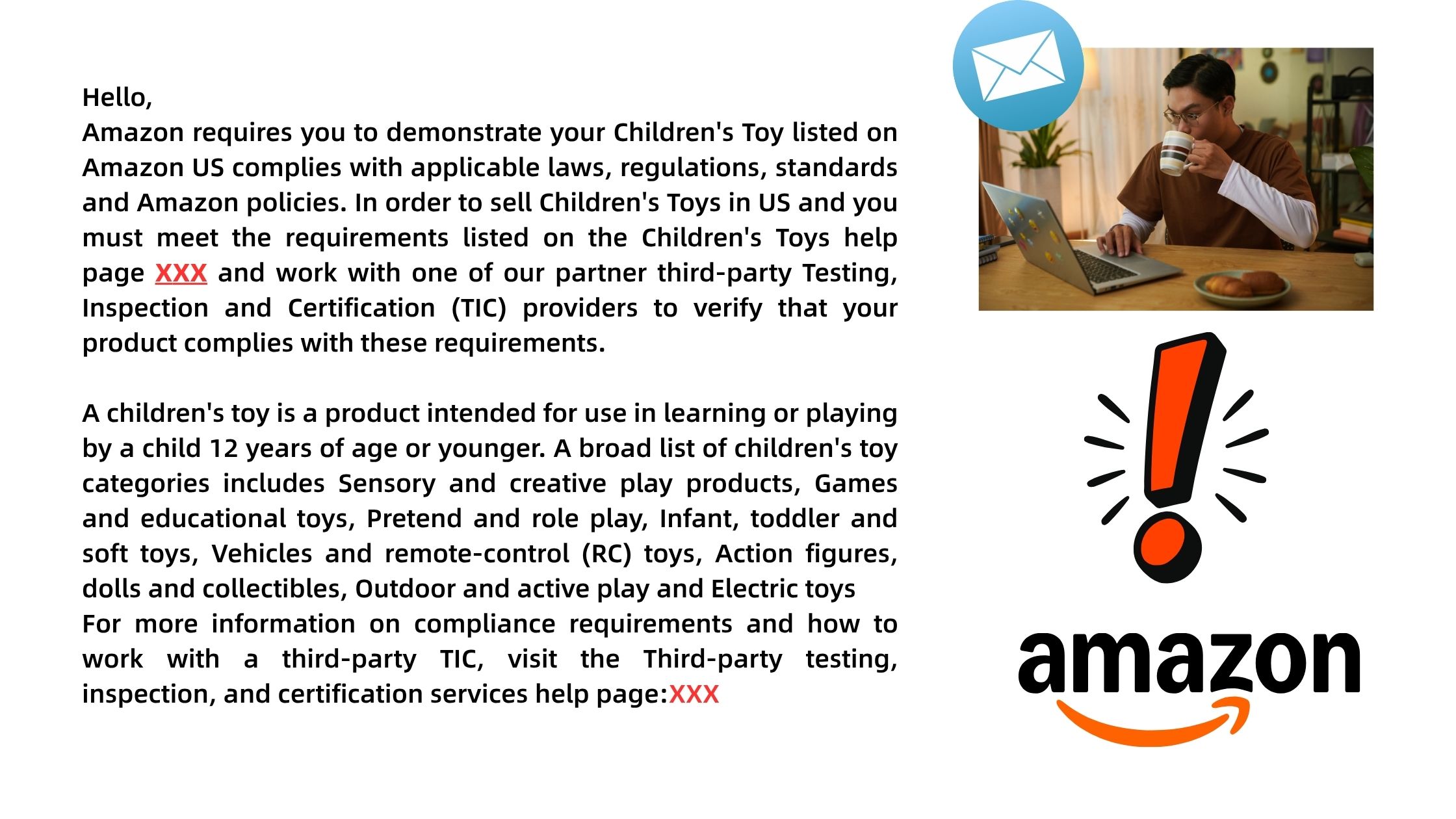
Imagine waking up to an email from Amazon with a subject line that makes your heart sink: “Action Required: Compliance requirements for your toy listings.” If you don’t provide the right documents, your best-selling toy could be removed in days.
Selling toys on Amazon in 2026 is no longer just about finding a great product; it’s about mastering the “safety game.” If you’ve seen this notice in your Seller Central, don’t panic. Here is exactly what you need to know to keep your business running smoothly.
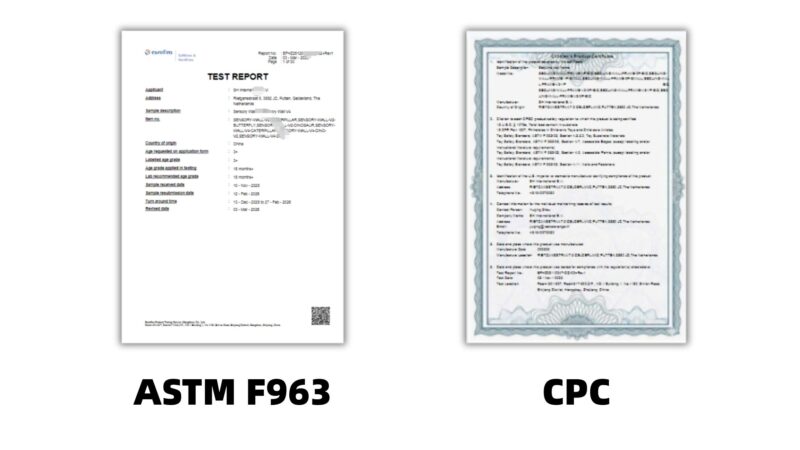
What are CPC and ASTM F963?
Before we dive into the new rules, we have to look at the two most important terms in the industry: ASTM F963 und die CPC.
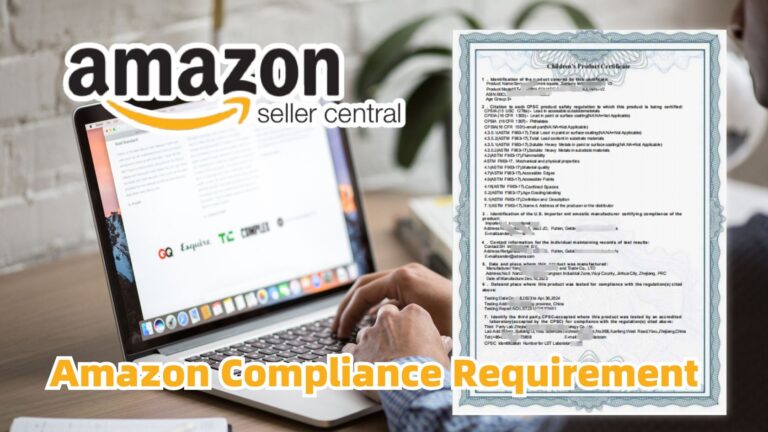
Think of ASTM F963 as the “Safety Rulebook” of the United States. It covers every possible danger—from how easily a toy catches fire to whether the paint contains lead. The CPC (Children’s Product Certificate), on the other hand, is your official promise to Amazon. By issuing a CPC, you are certifying that your toy has been tested by an approved lab and passed every single rule in that ASTM rulebook. Without both, you simply cannot sell toys for children aged 12 or under on Amazon.
What are the Lab Testing Details?
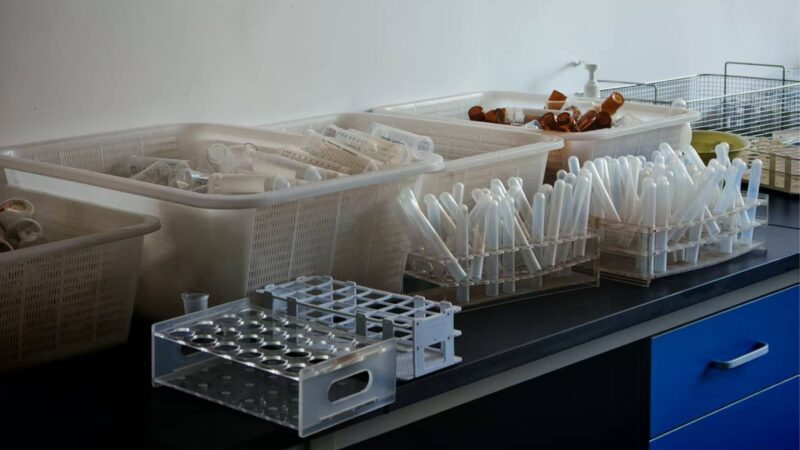
Many sellers wonder what they are paying for when they send their toys to a lab. It’s actually quite a rigorous “torture test” for your product. First, there is the Physical and Mechanical Test. Lab technicians will drop, pull, and even try to “bite” the toy to see if any small parts fall off.
Next comes the Flammability Test, where they ensure the material won’t catch fire instantly. Finally, the Chemical Test goes deep into the materials to look for “invisible” dangers like Lead or Phthalates in the plastic and paint. These must be below very strict safety limits to protect a child’s health.
What is “Direct Validation” (New 2026 Policy)
In 2026, the game has changed. In the past, you could just upload a PDF report yourself. Today, Amazon has introduced “Direct Validation” (DV).
Amazon no longer trusts “manual uploads” from sellers because of too many fake reports. Now, they require an approved TIC (Testing, Inspection, and Certification) lab to send your test results directly to Amazon’s internal system via a secure link. It’s a “Direct-from-Lab” policy that ensures the safety data is 100% real.
How to Apply for CPC & TIC Validation
When you receive that compliance notice, go to your Account Health dashboard. Under “Policy Compliance,” you will find your affected ASINs. When you click “Verify your product,” Amazon will ask you to choose an approved lab.
This is where you generate your TRF ID (Test Request Form ID). Think of this number as your “compliance passport.” You must give this ID to your lab before they start work. Without it, the lab cannot “connect” your pass results to your Amazon account, and your listing will stay blocked.
How TonySourcing Helps You Apply for CPC and TIC Direct Validation
Der TonySourcing team manages the full process for you, acting as your professional compliance department in China:
- #1 Contact Tony Team: Send your product link or a clear product photo to Tony’s team.
- #2 Expert Selection: We select the right approved lab for your toy and provide a pre-quote.
- #3 Sample Collection: You ask your manufacturer to send the samples directly to Tony’s team.
- #4 Final Quote: After we receive and check your samples, we update the final testing quote.
- #5 Lab Testing: We coordinate with the lab to start the official safety testing.
- #6 TRF ID Update: You send your TRF ID to Tony’s team, and we update it with the lab and Amazon.
- #7 Failure Support: If the test fails, we send you the failure report and tell you exactly how to update the product to pass.
- #8 Success & Sync: If the test passes, you get the report, and Tony’s team handles the DV documents to apply for TIC Direct Validation.
How Much Does a Full Test Report Cost?
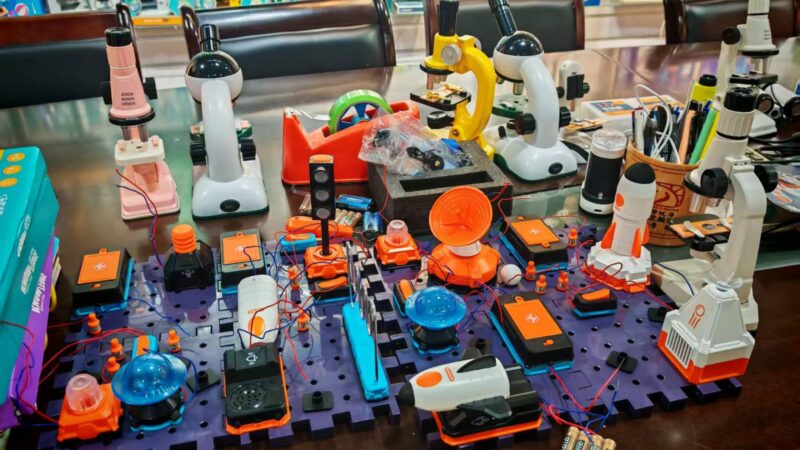
Safety compliance is an investment in your brand’s future. The cost of a full report depends on what your toy is made of. A simple plastic toy usually costs between $300 and $500 to test. However, if your toy has electronics or batteries, the cost can jump to $600 or over $1,000 because of the extra electrical safety checks required.
Final Thoughts: Compliance is Your Competitive Edge
In the fast-changing world of Amazon, new rules like TIC Direct Validation are more than just a hurdle—they are a filter that separates professional brands from low-quality competitors. By securing your CPC and passing these tests, you aren’t just following a rule; you are building real trust with parents and protecting your business for the long term. At TonySourcing, we believe that compliance shouldn’t be a headache that stops your growth. Let our team handle the technical “heavy lifting” in China so you can focus on scaling your store with confidence and peace of mind.
FAQ: Common Questions
Q1: How long does it take?
A: Usually 3 weeks. (1 week for testing + 2 weeks for Amazon/Lab to sync the data). Do not wait until the last minute!
Q2: My toy is already at the Amazon warehouse. Can I still test it?
A: Yes, but you must send samples from your factory to the lab immediately. If the deadline passes, Amazon will hide your listing until the test is finished.
Q3: Can one CPC report cover different colors of the same toy?
A: Usually yes, but the lab must test the paint/material of every color.
Q4: Is the report valid forever?
A: No. In 2026, Amazon prefers reports that are less than 12 months old. If you change the material or the factory, you must test again.
Q5: Can I use a test report from my Chinese manufacturer?
A: Only if the report is from an Amazon-approved TIC lab and is less than 12 months old. Most “factory reports” are basic and do not meet the new Direct Validation requirements. You usually need to link the report to your specific Amazon store using your TRF ID.
Q6: What if my toy has multiple colors or versions?
A: This is a common trap. While you can often use one CPC for a product “family,” the lab must test the paint or plastic of every different color to ensure the chemicals are safe. If you have 5 colors, the lab will charge a small extra fee for “additional color testing.”
Q7: How many samples do I really need to send?
A: For most toys, the lab needs 3 to 5 samples. They literally “destroy” these samples during the drop and pull tests. If your toy is electronic or has a battery, send 5 to 8 samples just in case they need more for electrical safety checks.
Q8: What is a “Tracking Label” and do I need it for the CPC?
A: Yes! Every toy must have a Tracking Label printed on the packaging and the product itself. It must show the manufacturer’s name, location, and the date of production. The lab will take a photo of this label for the report. If this info is missing, your CPC will be rejected.
Q9: What happens if my toy fails the “Chemical Test”?
A: If the lab finds too much lead or phthalates, you cannot sell that batch. This is why Tony’s team suggests a “Pre-check” before mass production. We can help you check the raw materials at the factory to save you thousands of dollars in failed lab fees.


 DE
DE  EN
EN  ES
ES  AR
AR