¿Qué es un rompecabezas? La guía definitiva para mayoristas y compradores de juguetes.
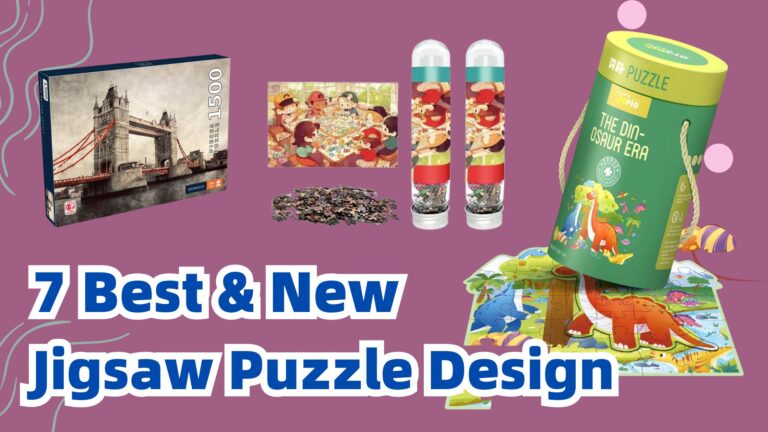
Jigsaw puzzles are a stable product in the global toy market. Many wholesalers sell wooden puzzles and cardboard puzzles. There are many types of jigsaw puzzles for kids and adults. In this guide, we explain what rompecabezas are, their history, benefits, production, and product types.
#1 What Are Jigsaw Puzzles?
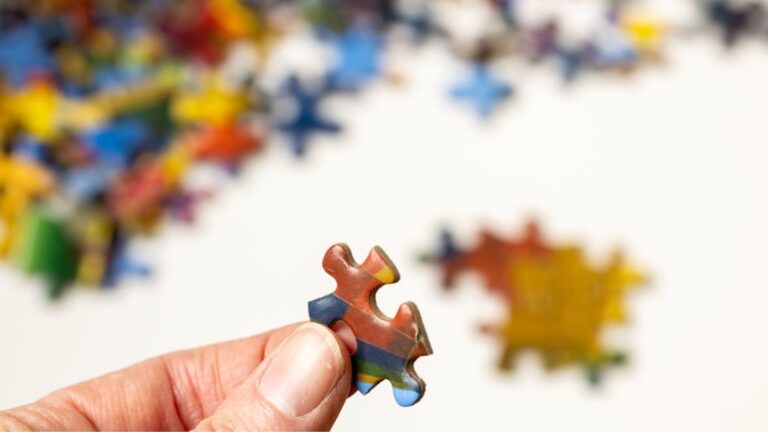
Jigsaw puzzles are flat games with many small pieces. Each piece of a jigsaw puzzle has bumps and holes. Only when all pieces fit together does the picture appear. Jigsaw puzzles can show animals, cities, nature, or art. Kids and adults can enjoy them.
Most jigsaw puzzles are made from wood o cardboard. Wooden jigsaw puzzles are strong and long-lasting, good for gifts or collectors. Cardboard jigsaw puzzles are light and easy to make in large amounts. Jigsaw puzzles do not need special skills. Players use their eyes and hands to solve them.
For wholesalers, jigsaw puzzles can be toys, gifts, decorations, or collections, making them popular in many markets.
#2 What Are the Parts of a Jigsaw Puzzle?
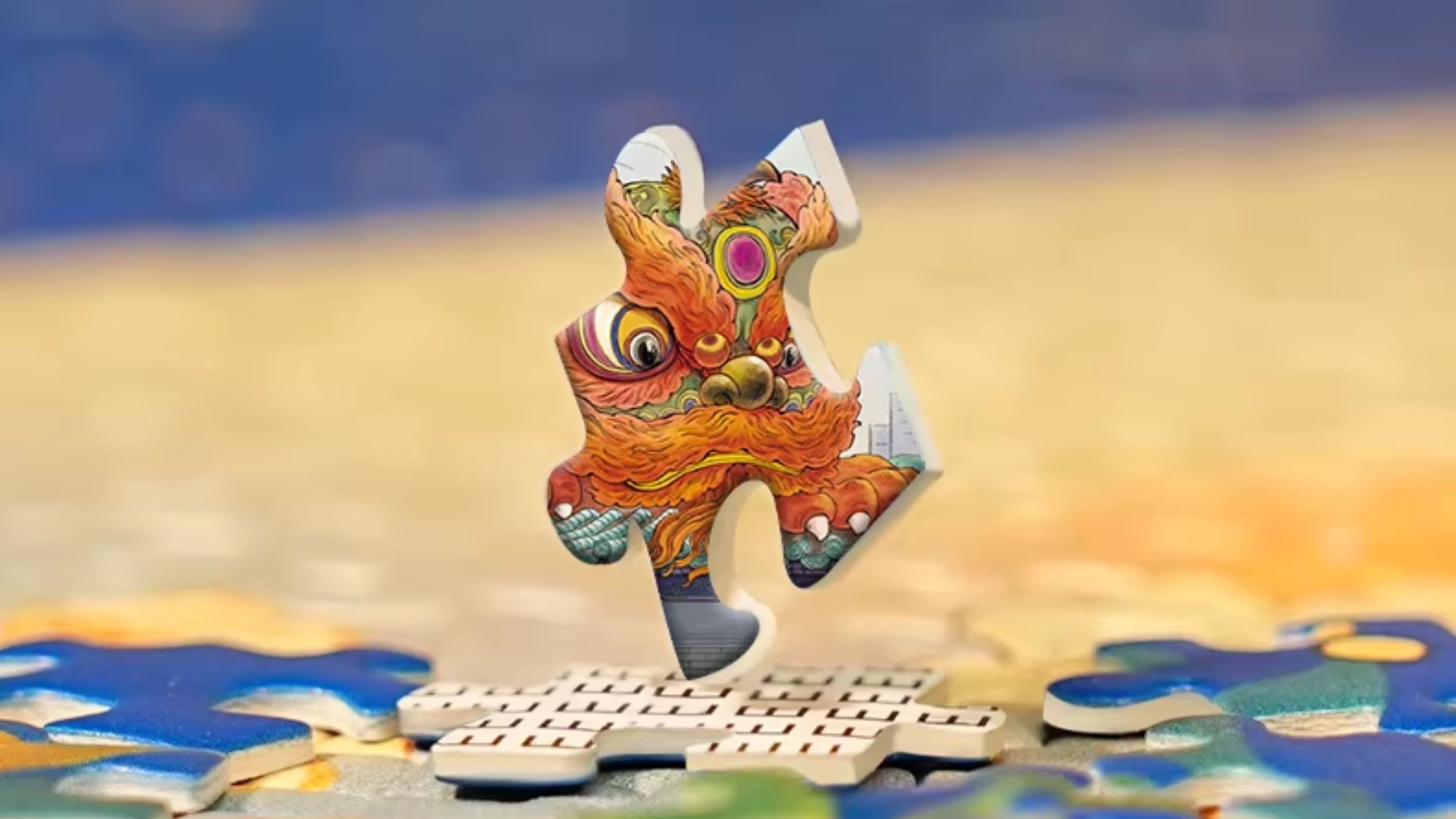
more fun and unique. A Jigsaw puzzle is also called “blocks.” Edge blocks have straight sides. Corner blocks have two straight sides. Some special blocks show people or shapes. They make jigsaw puzzles more fun and unique.
For wholesalers, the shape, thickness, and cutting of jigsaw puzzle pieces matter a lot. Wooden pieces, made by hand or laser, work well in high-end markets. Cardboard blocks are light and easy to make in large numbers. Special and edge blocks can be selling points. They make jigsaw puzzles more enjoyable for buyers.
#3 History of Jigsaw Puzzles
Jigsaw puzzles started in London in the 1700s. John Spilsbury glued maps on wood and cut them. At first, jigsaw puzzles were expensive and sold to rich families and schools.
In the 1800s, jigsaw puzzles started to be used for both learning and play. Wood was the main material. Hand-cut jigsaw puzzles became art.
In the 1900s, cardboard replaced wood. Machines allow many jigsaw puzzles to be made efficiently. They became lighter and cheaper.
Jigsaw puzzles grew from learning tools to family entertainment. Wholesalers can choose markets by material: Wooden puzzles are for people who like thick y alta calidad puzzles. Cardboard puzzles are for schools, kids’ toy shops, and big orders.
#4 Jigsaw Puzzle Materials and Production Methods
Modern jigsaw puzzles care about cutting and printing quality. Many factories use laser cutting or die machines. The edges of jigsaw puzzles are clean, and the pieces fit well. The locking design keeps the jigsaw puzzle stable.
High-quality jigsaw puzzles have clear details. Picture quality and cutting accuracy affect product level. A stable production process helps keep every jigsaw puzzle the same.
For wholesalers, fine craft means fewer returns and happier buyers. Stable production helps buyers keep consistent quality in the market.
#5 Benefits of Jigsaw Puzzles
Jigsaw puzzles help children build basic skills before school. Matching pieces of jigsaw puzzles improves coordinación mano-ojo y habilidades motoras finas. Looking at the colors and shapes of jigsaw puzzles helps children learn how to group pieces.
When kids play jigsaw puzzles with parents, they learn patience, sharing, y teamwork. Theme jigsaw puzzles, like animals, vehicles, or maps, can only introduce science and geography.
For wholesalers, jigsaw puzzles are not only toys. They are early education products that increase product value and market appeal.
#6 How Are Jigsaw Puzzles Different from Other Puzzle Types?
Jigsaw puzzles use pieces to make one complete picture. Logic puzzles use words, numbers, or rules.
Jigsaw puzzles depend on interlocking pieces. They need good artwork. Each piece of the jigsaw puzzle fits well. Different themes and sizes can be updated easily for buyers.
Jigsaw puzzle making focuses on how the pieces feel and what the picture looks like. Logic puzzles focus more on rules and solutions.
Jigsaw puzzles can be made in large quantities. Every piece is the same, which helps with repeat orders and long-term supply.
#7 Jigsaw Puzzle Piece Counts and Difficulty Levels
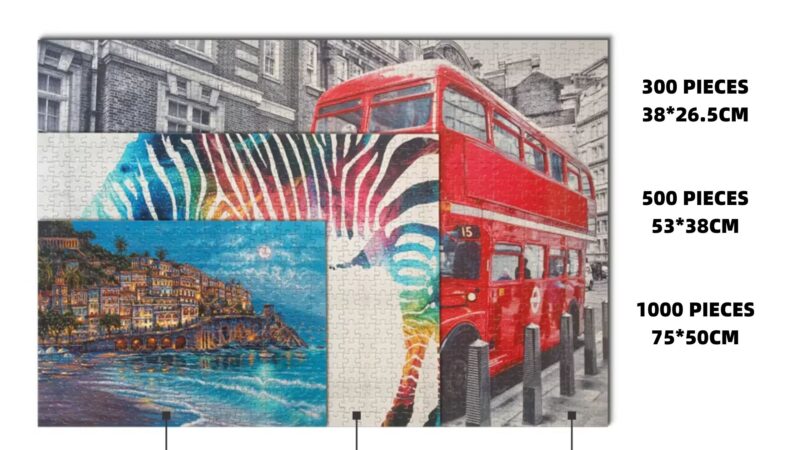
Modern jigsaw puzzles can be simple or hard. Beginner jigsaw puzzles have 100 to 500 pieces. Their colors are bright, and the blocks are easy to see.
Kids like 200 to 300 pieces of a jigsaw puzzle with big pieces and simple pictures.
Middle-level jigsaw puzzles have 500 to 1000 pieces. They may have faded colors or repeated patterns.
Advanced jigsaw puzzles can have 2000 to 10000 pieces. They are big, with complex pictures. Special types include double-sided, gradient, 3D globe, and panoramic jigsaw puzzles.
Jigsaw puzzles come in many sizes and difficulty levels. This helps factories make them steadily. Different sizes and pieces help factories make jigsaw puzzles steadily.
Conclusion:
Jigsaw puzzles remain a flexible product category. Their standard production and easy design updates support long-term supply. This makes jigsaw puzzles suitable for building product lines. Explore Tony Sourcing’s jigsaw puzzle options to support your product planning and develop reliable jigsaw puzzle products for your business.
Preguntas frecuentes:
1. How are jigsaw puzzles packaged for supply?
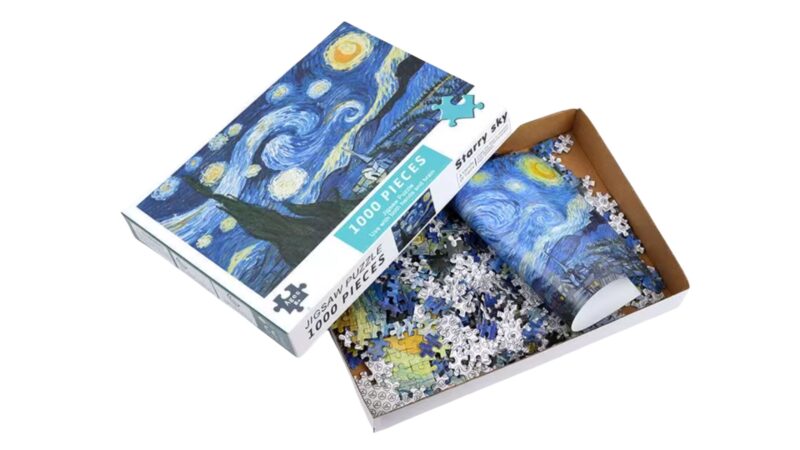
Jigsaw puzzle pieces are packed in bags and placed in boxes. The box shows the full image. Boxes protect the product during shipping and storage.
2. Can factories produce custom jigsaw puzzles?
Yes. Factories can print custom pictures, logos, and box designs. Custom jigsaw puzzles help create unique product lines.
3. Are jigsaw puzzles easy to store and transport?
Yes. Jigsaw puzzle boxes stack easily. This helps save space in shipping and storage.
4. How often can new jigsaw puzzle designs be produced?
Factories can produce new designs regularly. Only the picture and box need to change. The production process stays the same.
5. Why are jigsaw puzzles called “jigsaw puzzles”?
The name comes from a tool called a jigsaw. In the past, workers used this tool to cut wooden boards into puzzle pieces. Today, machines are used, but the name stayed. This history makes jigsaw puzzles easy to recognize in global markets.
6. How long is the production lead time for jigsaw puzzles?
Production time depends on design and quantity. Most factories need several weeks to finish production. Simple designs take less time.
7. What packaging options are available for jigsaw puzzles?
Common packaging includes color boxes and storage boxes. Packaging protects the jigsaw puzzle during transport.
8. How are jigsaw puzzle designs transferred to production?
Factories use digital files to print jigsaw puzzle images. This makes production accurate and repeatable.
9. What factors affect shipping efficiency for jigsaw puzzles?
Box size, weight, and packing method affect shipping efficiency. Compact packaging improves transport efficiency.
10. Can jigsaw puzzles be part of seasonal product planning?
Yes. Jigsaw puzzle images can match seasonal themes. Factories can produce seasonal designs regularly.
11. Are jigsaw puzzles suitable for long-term product catalogs?
Yes. Jigsaw puzzle production is consistent. This supports stable product catalogs.