¿Cómo se fabrican los rompecabezas? Entendiendo los pasos de producción.
For wholesale buyers and importers, understanding how jigsaw puzzles are made is necessary for choosing the right jigsaw puzzle suppliers. From material quality to die-cut precision and packaging control, every production step affects product consistency and market performance. This guide explains the key manufacturing stages buyers should evaluate.
#1 Raw Materials
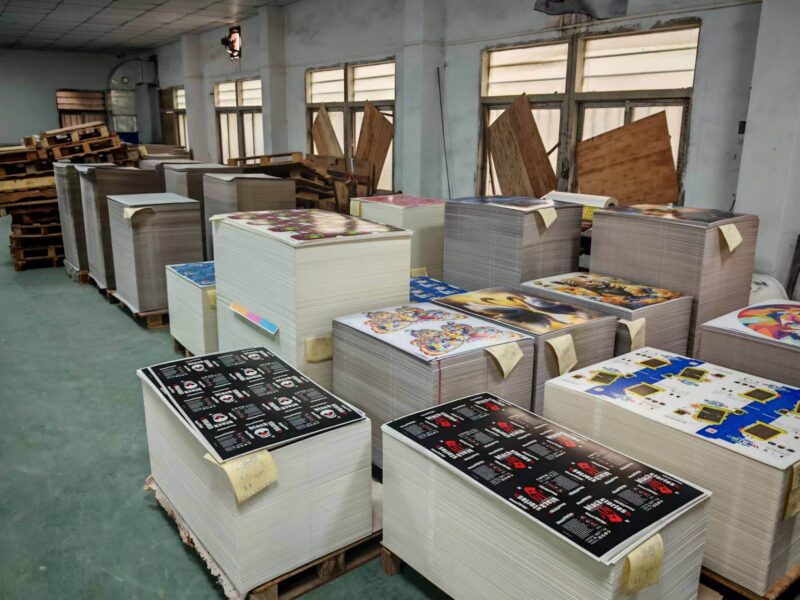
The materials used in production have a big impact on how the final jigsaw puzzle performs.
The jigsaw puzzle board is made from strong cardboard. A thicker board means stronger jigsaw puzzle pieces. Clear printed paper makes colors bright and images sharp. Good glue keeps the picture firmly on the board during cutting and use.
Reliable materials support stable output and reduce production issues. FSC paper y recyclable board are better for the environment. Many buyers now look for eco products.
Proper thickness, weight, and density give the jigsaw puzzle a better feel and longer shelf life.
#2 Artwork Selection
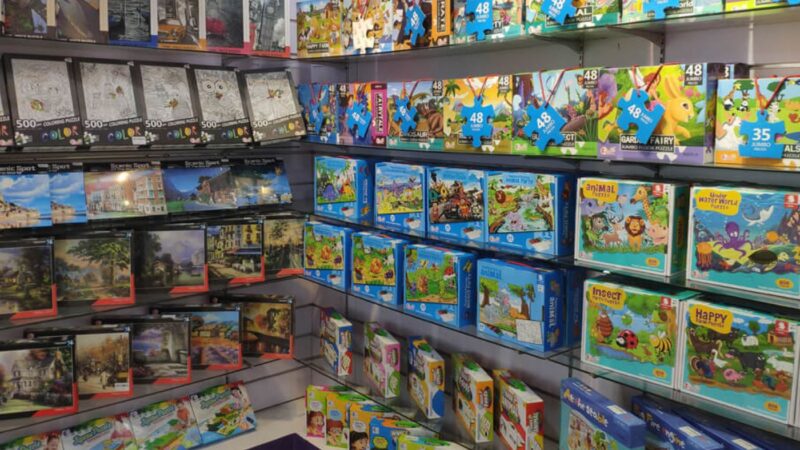
For wholesale buyers, choosing the right jigsaw puzzle image is very important.
Bright colors, simple shapes, and clear pictures help beginners enjoy the jigsaw puzzle. Easy-to-recognize objects make sorting and assembly faster.
Following market trends and age groups helps suppliers plan better and increase sales. Good artwork keeps beginners happy and supports repeat orders.
Clear background areas also help reduce confusion during assembly. A well-planned image can lower return rates and improve customer satisfaction.
Images with good contrast make pieces easier to separate. Balanced design also keeps players interested from start to finish.
#3 Board Mounting
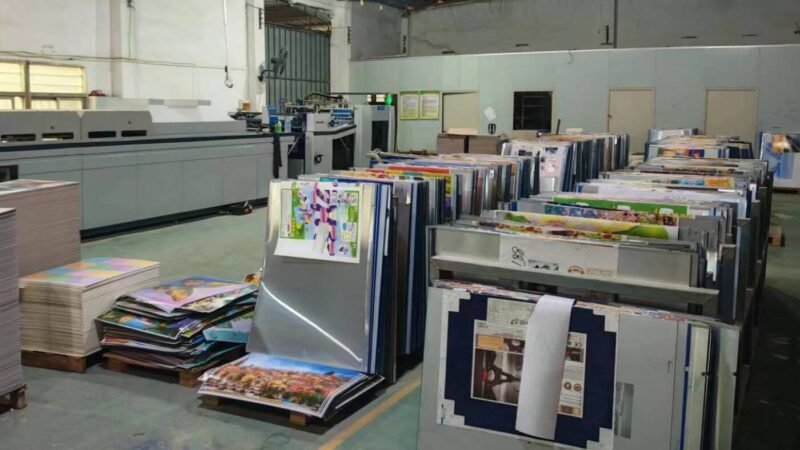
The paper must stay flat on the board. No bubbles. No wrinkles. If the surface is not smooth, the jigsaw puzzle will not look good.
Glue needs time to dry and hold the paper tightly. If mounting is not done well, the jigsaw puzzle surface may peel later. Good mounting keeps production smooth. It helps avoid problems in big orders.
Workers must check alignment before pressing the paper down. If this step is done well, the final jigsaw puzzle looks better and feels stronger.
#4 Cutting the Jigsaw Puzzle
Cutting the jigsaw puzzle is the key step in production.
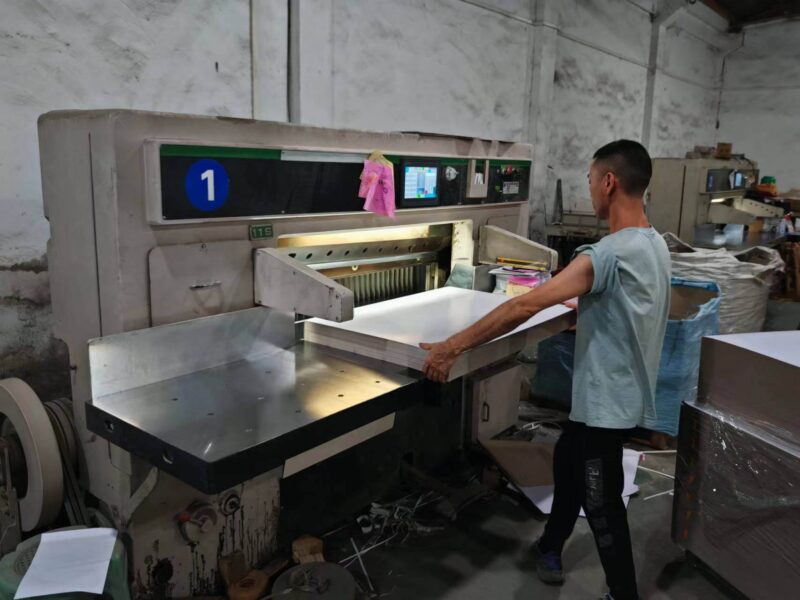
The mounted board goes into the die-cutting machine. Steel blades press down with high pressure to form each piece. The cutting mold must be accurate and stable.
Each piece should fit well with the others. Clean cutting lines make assembly easier.
Stable cutting quality keeps piece size consistent in large production.
#5 Quality Control
Quality control is very important for jigsaw puzzles.
Every jigsaw puzzle is checked carefully. All pieces must be there and fit right. Pieces must fit well. Nothing should be broken. Broken or missing pieces are fixed or removed.
Good checks help wholesalers keep big orders correct. It reduces complaints and returns. Strong quality control also helps plan shipments and build long-term trust with buyers.
Good checks make future product launches smoother and easier. Defective jigsaw puzzles are separated and not shipped to customers.
Sharp molds can cut thick board cleanly without tearing. Reliable cutting also helps reduce waste during mass production.
#6 Final Packaging
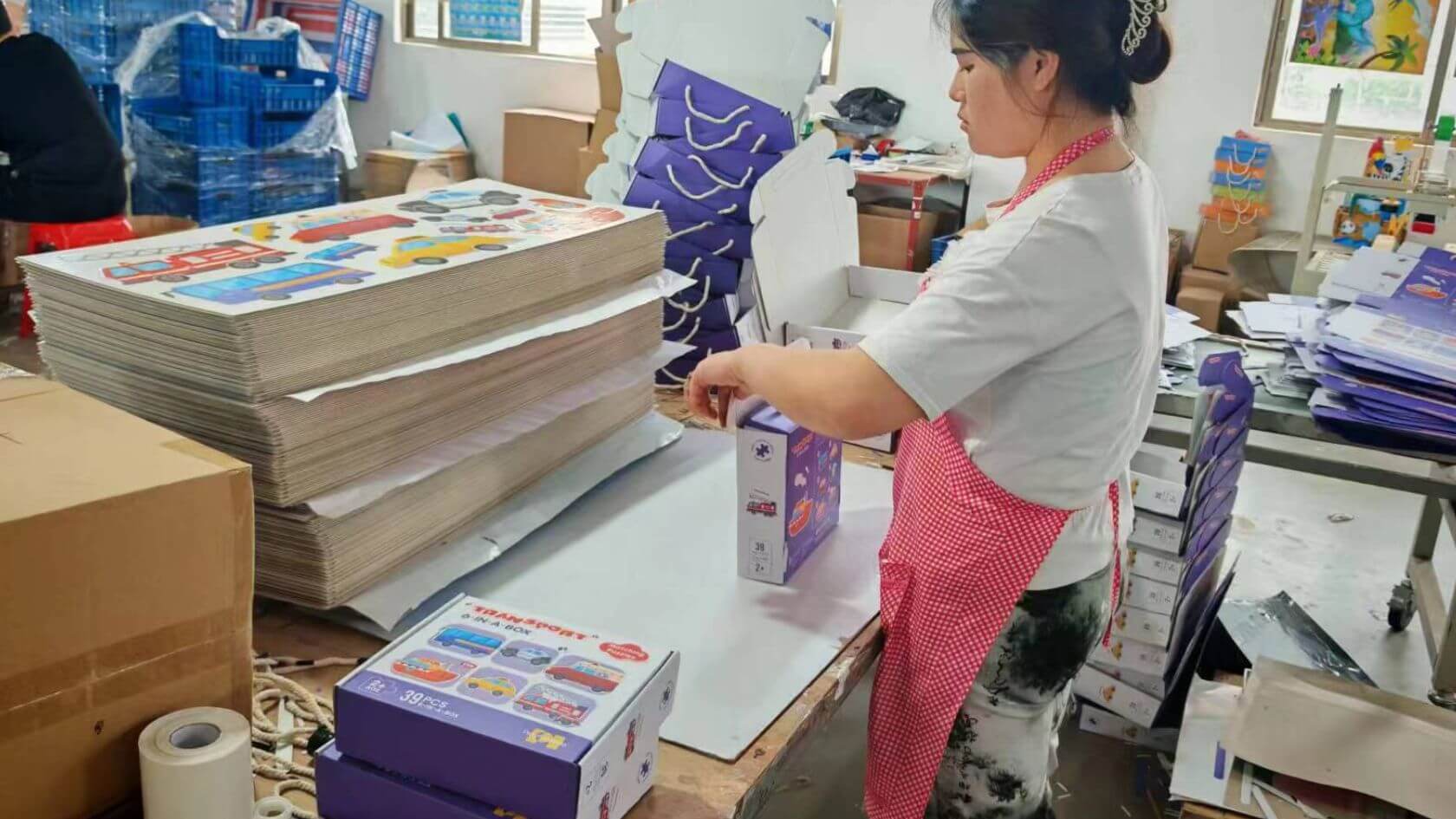
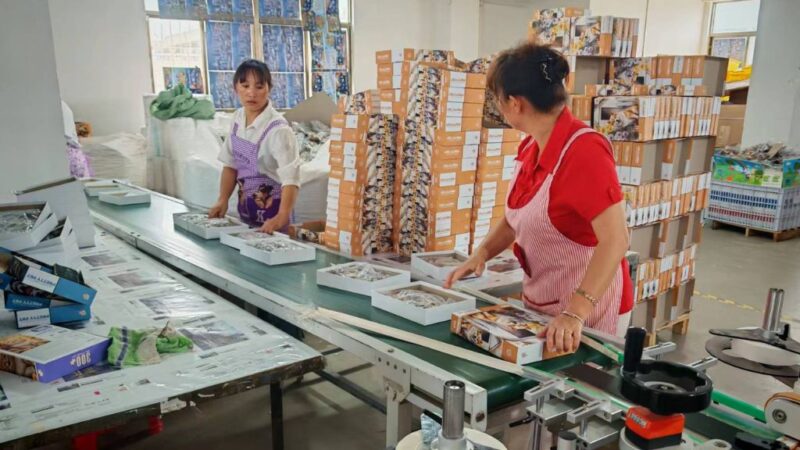
After the jigsaw puzzles are cut, they are carefully packed. Pieces are placed in sealed bags to prevent loss. Posters or reference images are added to the box. Easy labels help wholesalers know what is inside fast.
Good packaging protects jigsaw puzzles during shipping and storage.
For wholesale buyers, reliable packaging reduces complaints, supports inventory planning, and ensures smooth delivery.
High-quality packaging also increases customer trust and repeat orders.
Boxes are wrapped with shrink film to keep out dust and moisture. Strong outer cartons help protect products during long-distance transport.
Conclusión
Understanding how jigsaw puzzles are made helps wholesale buyers choose better suppliers. If you are planning to develop or source jigsaw puzzles, working with an experienced team makes the process easier. At TonySourcing, we support wholesalers with clear communication and steady production service. Contact us to discuss your next jigsaw puzzle project.
Preguntas frecuentes:
#1 Why is surface finishing important in jigsaw puzzle manufacturing?
Smooth surfaces improve touch feeling and overall product quality.
#2 How do factories keep jigsaw puzzle quality stable in mass production?
Standard production systems and fixed procedures help keep output steady.
#3 What determines the lifespan of a jigsaw puzzle?
Material strength and storage conditions both play a role.
#4 Are modern cardboard jigsaw puzzles better than traditional wooden ones?
Cardboard jigsaw puzzles are lighter and more cost-effective for large orders.
#5 Why do some jigsaw puzzles have tighter piece connections?
Higher-tightness manufacturing leads to better holding-on effects.
#6 How does packaging affect the final jigsaw puzzle product?
Protective packaging keeps pieces complete and in good condition.
#7 Why is consistency important in jigsaw puzzle production?
Consistent products help brands build long-term reputation.
#8 Can jigsaw puzzle manufacturing support custom projects?
Experienced factories from Tonysourcing can adjust production for different designs.
#9 How long does it take to produce jigsaw puzzles?
It usually takes several days to produce a batch of jigsaw puzzles. The exact time depends on the order quantity and the factory schedule.
#10 Why do jigsaw puzzle factories use special molds?
Special molds create many different jigsaw puzzle shapes. This also helps make jigsaw puzzles more interesting for players.
#11 Can jigsaw puzzle factories produce custom designs?
Yes. Buyers can provide their own artwork or brand design. The factory can produce jigsaw puzzles based on the provided files.
#12 What files do factories need to start production?
Factories usually need high-resolution images and size details. Clear files help avoid production mistakes.