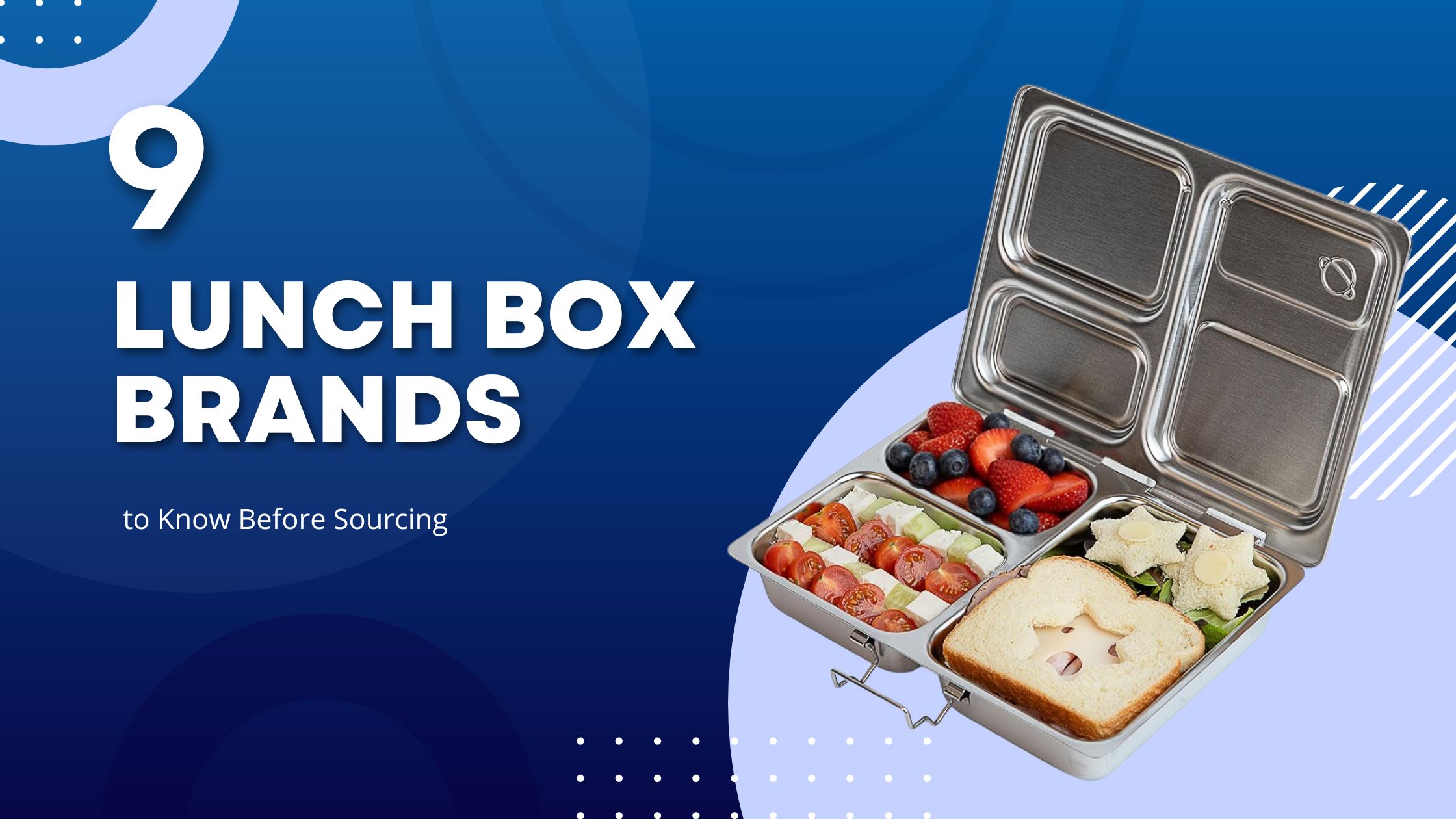
9 marcas de loncheras que debes conocer antes de comprar.
Are you sourcing reliable lunch box brands for your business? Comparing famous lunch box brands, product features, and price positioning can help you find the best lunch box options for your business.
#1 Kids & School Lunch Box Brands
Kids & school lunch boxes are a mature and highly competitive market. When choosing lunch boxes for their children, parents focus on leakproof construction, ease of opening, and safety, while retailers and brands also need to consider appearance, cost, and age positioning. So you need to evaluate a kids’ lunch box not only by its capacity, but also by how well it meets specific use cases.
#1.1 Bentgo
Bentgo is a representative brand worth searching and studying in the kids’ bento lunch box market. Its brand positioning is to help children carry different types of food by compartment design, making it convenient for parents to prepare lunch and for children to carry. Many kids’ lunch box sets also include accessories such as an ice pack for lunch box use, helping keep food fresh during school hours.
Bentgo’s products usually have several separate compartments, combined with a child-friendly size, easy-open construction, and leak-resistant design. This combination reduces the risk of food mixing and spills.
For B2B buyers, Bentgo Kids is a useful reference for the mainstream market. When developing similar products, you need to focus on cost, appearance, and functionality rather than simply adding more features.
#1.2 Yumbox
Yumbox is a well-known brand in the kids’bento lunch box market. Its clear compartment design makes it easier for parents to prepare and organize different types of food, which is suitable for everyday school use.
Compared with some complex lunch boxes, Yumbox cares more about simplifying its product structure. Its design features include clear food classification areas, a convenient opening structure, and an easy-to-clean feature, which enable children to use it independently and reduce the difficulty for parents in daily maintenance.
If you want to develop a kids’ lunch box brand that is likely to gain market acceptance, Yumbox is worth studying. It shows that products do not always need complex functions. A clear product function and a simple user experience can also help the brand gain recognition.
#1.3 PlanetBox
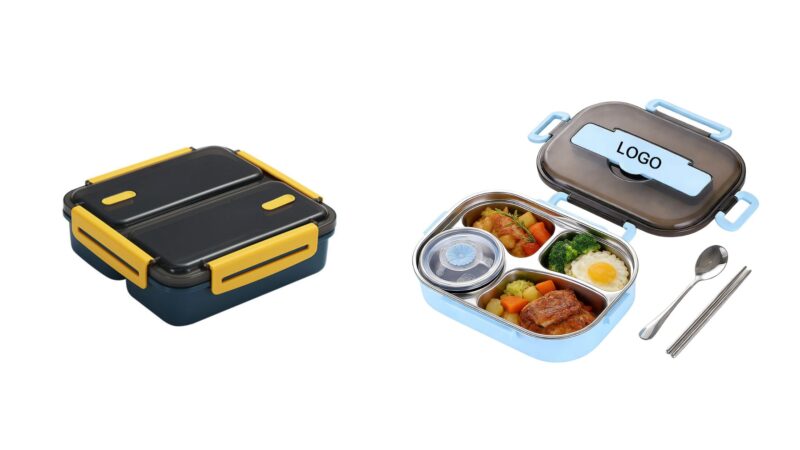
PlanetBox represents the premium and environmentally friendly direction in the kids lunch boxes market, especially for customers looking for stainless steel lunch boxes for kids. It emphasizes stainless steel materials, durability, and reusable design, which makes it suitable for people who focus on materials and long-term use value.
PlanetBox’s products are usually made of stainless steel and designed as stainless steel bento boxes with several separate compartments, which help users categorize and store different foods easily. This design improves product durability, but also enhances the brand’s high-end positioning. However, the materials increase the cost of production, the weight of the product, and the final selling price.
If you want to enter premium markets, Planetbox is a good example for you to study. When purchasing, don’t forget to consider the weight, cost, and pricing range, finding the balance between quality and profits.
#2 Adult & Everyday Lunch Box Brands
Adult consumers care more about the capacity, outlook, insulation ability, and carrying method. Therefore, insulated lunch bags and lunch boxes for adults should be designed for office, commuting, traveling, and daily life use.
#2.1 Hydro Flask
Hydro Flask first became well-known for its insulated drinkware products and later expanded into the adult lunch box market. Compared with traditional lunch boxes, Hydro Flask focuses more on product appearance, portability, and overall user experience. They emphasize insulation performance, durable construction, and a clean appearance, making products suitable for traveling and outdoor activities.
Hydro Flask’s lunch products usually feature reliable insulation, structured designs, and easy-to-clean inner materials. The brand pays more attention to modern appearance and consistent brand style, making its products suitable for different scenarios such as offices, travel, and picnics. Lightweight designs also make them convenient for everyday carrying.
For B2B buyers, Hydro Flask represents the premium lifestyle market. If your target customers care more about product design, brand image, and user experience rather than only prices, Hydro Flask provides a useful reference. You can also improve product value through better design, color selection, and functional combinations.
#2.2 Stanley
Stanley is a well-known brand in the outdoor and drinkware market, and its lunch box products are mainly designed for outdoor users, workers, and daily commuters. The brand connects its products with outdoor activities, workplaces, and everyday lifestyles. With years of experience in durable products, the brand has built strong recognition among consumers.
Stanley’s lunch products focus on durability, practicality, and long-term use. Its product range includes lunch boxes, insulated containers, and related outdoor products, allowing the brand to serve different customer groups. Compared with products that only compete through prices, Stanley pays more attention to product quality.
For B2B buyers, Stanley shows how brand image can increase product value. When developing similar products, you should not only consider product features but also think about your target customers, brand positioning, and how to build consumer trust through product design.
#2.3 MIER
MIER focuses on functional and cost-effective lunch box types and insulated lunch boxes for adult users. The brand mainly serves customers who need to carry larger amounts of food, drinks, and snacks, including office workers, families, and people who spend long hours outside. Compared with compact lunch boxes, MIER emphasizes capacity and storage solutions more.
MIER’s products are typically designed with large interior spaces, multi-level storage structures, and zone designs. These features allow users to carry different types of food at the same time, making them suitable for daily commuting, office use, and outdoor activities.
For B2B buyers, MIER represents a practical product direction for the mass market. When developing adult lunch boxes, it is not always necessary to add complex features. A reasonable capacity, functional storage design, and competitive price can also help products gain market acceptance.
#2.4 BALORAY
BALORAY targets the lightweight, stylish, and affordable lunch box market. The brand mainly focuses on women, office workers, and daily users who need convenient lunch solutions that fit into their lifestyle. Compared with professional outdoor brands, BALORAY pays more attention to appearance, portability, and everyday use.
BALORAY’s products usually feature lightweight designs, attractive colors, and simple functional structures. Instead of focusing on extreme durability or outdoor performance, the brand emphasizes easy carrying and fashionable appearance, making its products suitable for retail stores and e-commerce channels.
For B2B buyers, BALORAY shows that appearance and lifestyle positioning can create product differentiation. In the competitive lunch box market, you can improve your product appeal through design, color selection, and pricing strategies, especially when targeting younger consumers.
#3 Innovation Lunch Box Brands
Innovative lunch box brands focus on solving specific problems, such as heating food by electricity. These products usually combine unique functions or designs, making them suitable for scenarios like offices, schools, and daily use.
#3.1 OmieBox
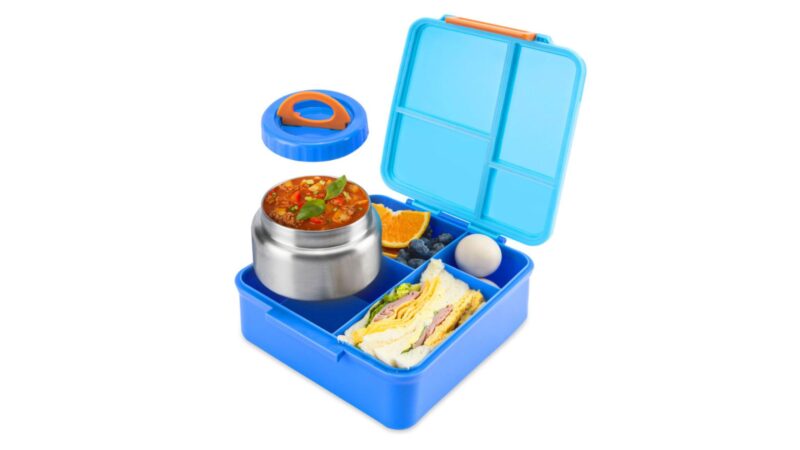
OmieBox focuses on a specific need in the kids’ lunch box market: keeping both hot and cold foods in one container. Unlike traditional bento lunch boxes, OmieBox combines compartment designs with an insulated food container, similar to a thermos lunch box, allowing children to enjoy both hot and cold foods.
The core feature of OmieBox is its inner insulated cup structure, separate food compartments, and child-friendly design. This structure helps solve a common problem of traditional lunch boxes, which cannot keep hot and cold foods at the same time.
For B2B buyers, OmieBox shows the method of creating product opportunities by addressing specific usage pain points. When developing kids’ lunch boxes, you can focus on unmet needs such as multifunctional designs instead of only competing on appearance.
#3.2 Steambox
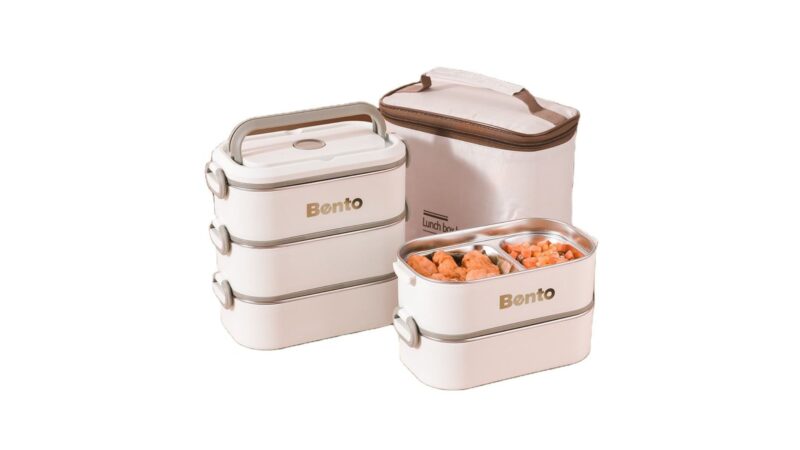
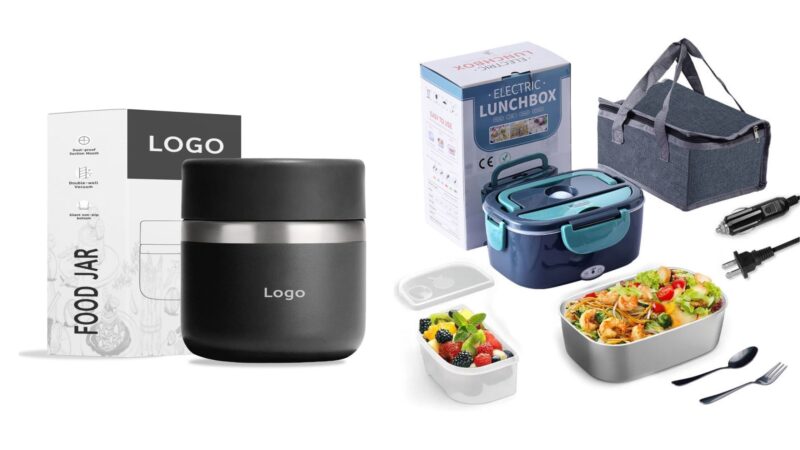
Steambox is different from traditional lunch box brands because it offers electric lunch box solutions for users who want to heat meals without a microwave. Instead of only storing food, Steambox targets office workers who want to enjoy warm meals without using a microwave.
The main feature of Steambox is its heating function, which allows users to warm food through electricity and steam technology. This innovation provides a more convenient solution for people who work in offices or places without easy access to kitchen equipment.
For B2B buyers, Steambox shows another way to develop lunch products through innovation by creating portable food warmers for office and daily use. Instead of adding more traditional features, your brand can create new market opportunities by solving specific problems in users’ daily lives.
#4 What Can Buyers Learn From These Lunch Box Brands?
Although these lunch box brands target different markets, they share some common factors behind their success.
First, these successful lunch box brands usually have a clear target customer group. Bentgo focuses on kids’ lunch needs, Hydro Flask targets lifestyle users, while Steambox creates a new solution for office users.
Second, product positioning is more important than simply adding features. Understanding customer needs and choosing the right market direction can help you develop products that better match your target customers.
For B2B buyers, these brands provide useful references for product selection and market positioning. Instead of copying existing products, you should find a clear product direction based on your customers, sales channels, and market needs.
#5 Conclusion
Understanding different lunch box brands helps you identify market trends and choose the right product direction. From kids’ bento lunch boxes to adult insulated lunch boxes and innovative food warmers, each category represents different customer needs and market opportunities.
Successful product development requires a clear target market, suitable product design, and a good balance between cost and customer needs. As an experienced lunch box supplier, Tonysourcing provides flexible OEM/ODM solutions to help you develop products that match your market needs.
Preguntas frecuentes
1. What should buyers consider when choosing a lunch box brand?
When choosing lunch boxes for your business, you should consider the target market, product capacity, materials, insulation, leak protection, design, production cost, and expected retail price. The right choice depends on your target customers, sales channel, product positioning, and budget.
2. Which lunch box brands are suitable for B2B sourcing?
The most suitable lunch box brands depend on the buyer’s target market. Brands such as Bentgo and OmieBox are suitable for children’s products, while Hydro Flask, Stanley, MIER, and BALORAY represent different adult markets, including premium, outdoor, workplace, and everyday use.
3. Can lunch boxes be customized for wholesale orders?
Yes. Many lunch box manufacturers offer customization options such as colors, materials, product shapes, logos, packaging, and accessories. The available options and MOQ usually depend on the product design and production process.
4. How can I find a reliable lunch box supplier for my business?
Look for a supplier with experience in lunch box manufacturing, stable quality control, customization capabilities, and international order experience. You should also check the supplier’s materials, production processes, certifications, MOQ, and communication before placing an order.
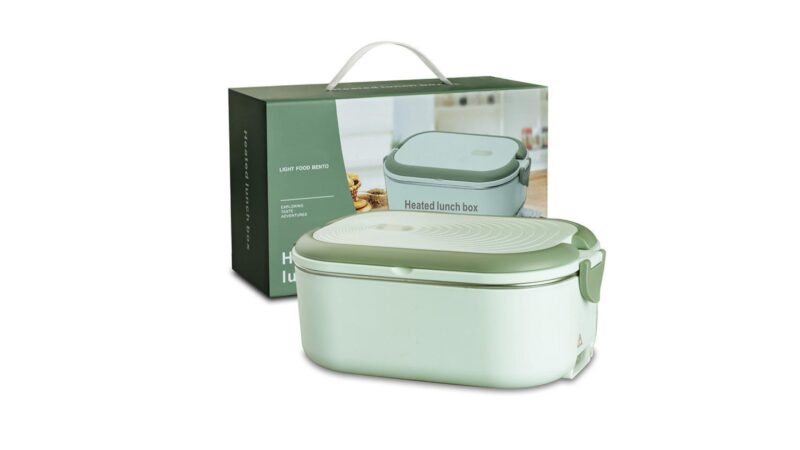
5. What is a heated lunch box?
A heated lunch box, also known as an electric lunch box, uses electric heating technology to warm food without a microwave. These products are suitable for office workers, travelers, and markets that need convenient meal solutions.