Private Label Toys: What They Are and How to Start Your Own Toy Brand
Private label toys are toys made by a factory, but sold under your own brand. The factory already has the product. You add your logo, your packaging, and your colors. Then the toy ships as yours.
This model is popular with Amazon sellers, toy stores, and gift companies. You skip months of design work. You also skip the biggest cost in toy making: a new mold.
But “private label” gets mixed up with OEM, ODM, and white label. Sales reps use these words in different ways. That confusion costs buyers real money. This guide sorts out the terms, the costs, the MOQs, and the steps to start.
What Are Private Label Toys?
Here is the simplest way to see it. You pick a toy that already exists. The factory changes the brand-facing parts. You own the brand and the spec of what ships. The factory keeps the design and the molds.
What you control:
- Your brand name and logo on the product and the box
- Packaging design, colors, and the language on the box
- Often the toy’s colors, and sometimes small parts or materials
What the factory controls:
- The toy’s design and structure
- The molds and tooling
- The base product, which other buyers may also sell
One detail surprises new buyers. “Private labeler” is a real term in US government rulebooks. The CPSC uses it in its rules on children’s product labels. So this is not marketing slang. It is a trade category with legal duties attached.
Private Label vs. White Label, ODM, and OEM Toys
Sales reps often use these four terms as if they mean the same thing. They do not. The honest test comes down to two questions. Who owns the design? And how much can you change?
| Modelo | Who designs it | What you can change | Exclusivity | Cantidad mínima de pedido típica |
|---|---|---|---|---|
| White label (stock + logo) | Fábrica | Logo on packaging only | None. Others sell the same item | Lowest |
| Private label | Fábrica | Colors, logo, packaging, sometimes materials | Partial. Terms can be written into the contract | Low to mid |
| ODM | Factory, with more R&D input | More features, sizes, and materials | Partial | Mid |
| Fabricante de equipos originales (OEM) | You | Everything. It is your design | Full. You own the design | Highest |
White label is the fastest test of a market. Private label sits one level up. You get real brand building without paying for tooling. Full OEM makes sense for a hero product you want to protect. For example, custom building blocks for kids start from a customer’s own design and go through full mold making.
Who Should Sell Private Label Toys?
Private label fits most small and mid-size toy buyers. It works best when you want a brand, but not a full R&D project.
- Amazon sellers. A branded toy with clean packaging stands out in a crowded listing. See our guide on how to source and sell toys on Amazon, plus these toy sourcing tips for Amazon sellers.
- Toy stores and online shops. Store brands lift margins over reselling factory brands. Read how to open a toy store y el best ways to sell toys online.
- Distributors and wholesalers. A house brand protects you from price wars. Compare options in our list of top toys wholesale distributors.
- New startup founders. This is the lowest-risk way to launch a first toy line. Our case study of a startup importing toys with zero experience shows the full path. The guide on Cómo iniciar mi negocio de juguetes covers the basics too.
When is private label the wrong choice? If your idea is truly new and you want to patent it, go OEM. If you only want to test demand this month, plain stock toys from a proveedor mayorista de juguetes cost less.
What Can You Customize on a Private Label Toy?
Most factories offer a standard set of levers. The exact menu depends on the product and the season. Ask before you commit, and get every change written into the purchase order.
| Customization lever | What it covers | Notas |
|---|---|---|
| Logo and brand marks | Printing, embroidery, tags, stickers | Cheapest lever. Some products allow more spots than others |
| Embalaje | Box design, blister cards, inserts, language | This is where private label earns its margin. See our guide to Embalaje de juguetes personalizado |
| Bandera | Product colors, often from a Pantone chart | Color needs an approved master sample, not a photo match |
| Materiales | Plush fabric, plastic grade, wood finish | Common on custom plush toys y juguetes personalizados para bebés |
| Small features | Extra parts, sets, sizes, sound modules | Some changes push the job toward ODM |
One practice protects every lever: a sealed golden sample. The golden sample is the single approved reference for material, color, print, and size. Factory-side guides agree on this point: verbal changes in peak season are the top cause of disputes. Put every change in writing, then confirm against the sample.
What Do Private Label Toys Cost?
Unit prices follow a simple rule. The more you change from the stock product, the more you pay. Here is a rough tier guide. Treat it as a rough guide, not a promise. Actual quotes depend on the product, the season, and the order size.
| Cost item | Tier | Notas |
|---|---|---|
| Stock toy + your logo on packaging | $ | Lowest entry point |
| Private label with custom colors and retail box | $$ | The most common setup |
| Private label with material or feature changes | $$$ | Moves toward ODM |
| New mold for a fully custom toy | $$$$ | One-time tooling cost, paid before mass production |
Tooling deserves one extra note. A new injection mold is a real investment, and factory-side guides commonly place it in the thousands of dollars per mold. That cost sits outside the unit price. If you stay private label, you avoid this cost entirely, because the factory’s existing mold makes the toy. Before you compare quotes, learn what to check in a toys quotation list. Nuestro toys price list page and Guía de precios al por mayor de juguetes para bebés show real quote structures.
What MOQ Should You Expect for Private Label Toys?
MOQ depends on the product type, not on the factory’s mood. Factory-side guides published in 2026 point to a clear pattern (sources: toyvao.com and fobsourcify.com, checked October 2026):
| Toy category | Typical MOQ per design |
|---|---|
| Plush and soft toys | 500–1,000 units |
| juguetes de madera | 500–1,000 units |
| Injection-molded plastic toys | 1,000–5,000 units |
| juguetes electrónicos | 3,000–10,000 units |
Treat these numbers as a rough guide, not a promise. Simple molded items and some Juguetes RC can run far lower. Fidget toys in bulk often start around 500 pieces, and Juguetes blandos al por mayor can be flexible in the off-season. Juguetes STEM y science kits sit near the plastic range.
Packaging usually carries its own print minimums. Printed boxes often need a higher count than the toys inside. A common factory-side trick: print more boxes than you need and inject fewer toys for a test run. Your agente de compras can plan this split for you.
How Long Does a Private Label Toy Order Take?
Three factors drive the calendar: the base product, the changes, and the shipping mode.
- Stock product + logo only. Fastest path. Goods may already sit in a warehouse.
- Private label with colors and packaging. Factory-side guides put production at roughly 30–45 days after sample approval.
- New mold (OEM territory). Molds add their own lead time, often around 30 days before production even starts.
Two steps protect the schedule. First, approve the golden sample before mass production. Second, lock the packaging early, because box changes late in the run delay everything. Our Shantou toys factory guide explains how mold cost and MOQ shape the timeline. The full guide on Cómo importar juguetes de China adds the shipping leg to the plan.
What Paperwork Does Your Toy Brand Need?
Here is the part most new buyers miss. The factory does not carry your compliance duty. The importer of record does. That is you, once the goods land.
US rules, from the CPSC’s official tracking label guidance (checked October 2026):
- Every children’s product needs permanent tracking marks on the product and its packaging.
- The marks must show the manufacturer, importer, or private labeler name, plus the place and date of production and batch details.
- Toys also need a Children’s Product Certificate, or CPC, based on third-party test reports.
For the EU, toys need CE marking under the EN71 test standards. The GPSR general product safety rule also applies to toys sold into the EU market. UK, Amazon FBA, and battery rules add more layers. Read our full guides on Amazon toys certificates, how to get a CPC for toys, CE EN71 certification, and the best toy testing labs. For packaging waste rules, see our PPWR guide. Battery toys need an MSDS for shipping. Our test report apply form page starts the paperwork directly.
How to Find a Private Label Toy Factory
You have three main routes. Each fits a different buyer profile.
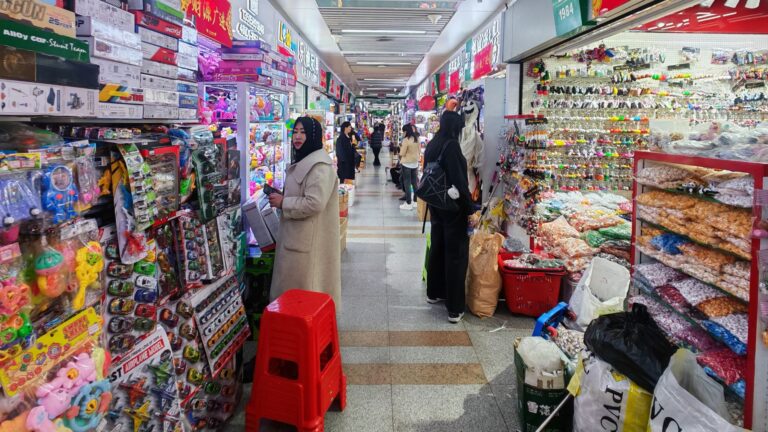
Route 1: Industrial clusters. Most of the world’s toys come from China’s toy belts. Shantou and its Chenghai district lead in plastic toys, and Yiwu leads in mixed general goods. Start with our guides on how to find the best toy manufacturers in China y how to find the right toy manufacturers in Shantou. Then go deeper with how to find a toys manufacturer in the Chenghai toys market and this FAQ on sourcing from Shantou toys. Compare the two belts in our China toys wholesale market guide y el top 8 China toys wholesale markets. Yiwu buyers should read the Yiwu toys market guide.
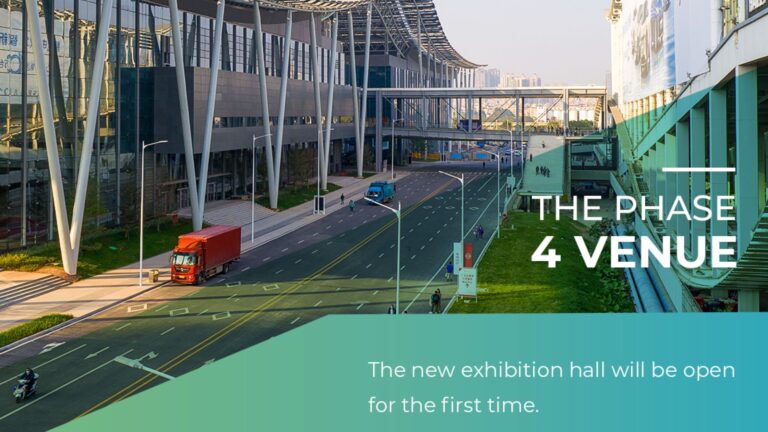
Route 2: Trade fairs. The Canton Fair carries toys in Phase 3, and our Canton Fair toys guide maps the halls and a buyer’s plan. Fairs let you touch golden samples in person. The Shantou sala de exposición de juguetes works the same way, year-round.
Route 3: Online platforms. Alibaba is the default first stop, but it is not the only one. Our Alibaba vs. direct toys factories comparison shows the trade-offs. Many buyers end up working with a buying agent instead. See how empresas de fabricación de juguetes compare in our review, and how to screen reliable China toy manufacturers before you pay.
Whichever route you take, ask one question early: “What exactly can I change on this product, and what is the MOQ for each change?” The answer tells you if the supplier truly does private label, or only sells stock with a sticker.
Red Flags Before You Pay a Deposit
Most private label problems start before the deposit, not after. Watch for these:
- A quote that skips the golden sample step
- A test report that does not match the exact SKU, material, and color you are buying
- Verbal promises on color or packaging changes
- No written answer on who owns the mold, if any tooling is involved
- A unit price far below the market range, with no explanation
- Refusal to name the testing lab or share the report number
Check every line item against our quote checklist above. If a report looks odd, verify the number with an independent lab before you pay.
FAQ About Private Label Toys
Can I put my brand on an existing toy?
Yes. That is exactly what private label means. You choose a product from the factory’s range, then apply your logo, packaging, and often your colors. The factory keeps the design.
Do I need to register my trademark first?
File your brand name before you print it on thousands of boxes. Trademark rules differ by country, so confirm with a local advisor. Factories will print whatever you authorize, so the legal check is on you.
Who is responsible if a private label toy fails a safety test?
The importer of record is responsible, not the factory. In the US, the CPSC’s tracking label rules even name the “private labeler” as a party that must appear on the product. Budget for testing before you budget for ads.
Private label or ODM — which should I start with?
Start with private label for your first run. It costs less and ships faster. Move a proven hero product to ODM or OEM later, once sales data justifies the tooling spend.
Can the factory sell my exact private label toy to other buyers?
Maybe, unless your contract says otherwise. The factory owns the design, so exclusivity is something you negotiate in writing. Plain stock-with-logo offers the least protection. Feature or packaging exclusivity is easier to get than full design exclusivity.
What is the minimum budget to start?
With logo-only white label, the barrier is low. A realistic private label run with custom packaging usually starts at a few thousand units’ worth of goods for plastic items. Wooden and plush lines can start lower. Get quotes from at least two factories before you set the budget.
Start Your Private Label Toy Line
Private label toys give you a real brand without a real R&D lab. Pick one category, lock a golden sample, and get the paperwork right before the deposit.
TonySourcing is based in Shantou, inside China’s biggest toy cluster. We run showrooms in Chenghai, handle sample approval, packaging, testing, and shipping for toy wholesalers. Browse our centro de negocios de juguetes, read about our all-in-one supply service for toy wholesalers, or send us your product idea. We will tell you what can be customized, what it costs, and what MOQ to expect.