
Wholesale STEM Kits for Schools and Classrooms

One class set per 24–30 students. Full consumables lists, teacher guides included. Purchase orders and vendor onboarding welcome.

Searching for STEM kits in bulk, school STEM supplies, or a supplier who can quote a whole term’s programme? This page is written for the institutional buyer — wholesale STEM kits for classrooms, elementary schools, middle schools and high schools, priced the way a school budget can approve. School and district buyers do not buy kits the way online sellers do. You need a bill of materials, an itemised quote that survives a procurement review, a vendor application, insurance documentation, an invoice that matches a purchase order, and a delivery date the school can plan a term around.

We are a sourcing company based in Yiwu and Shantou since 2012, with direct links to 5,000+ verified toy and stationery factories across ten wholesale markets. More than 200 buyers in over 40 countries have sourced through us. For school supply we handle the parts that slow institutional buyers down: specification sheets, documentation packs, unit pricing per class set, and consolidation of multiple factories into one delivery.

NUESTRO PRODUCTO

Bulk STEM Kits — By Programme Level

Organised the way a school buyer thinks: by age band first, because that determines the safety requirements, the instruction reading level and the consumable format. Every line is available as a class set, a grade-band pack, or a refill.

Kindergarten STEM Kits

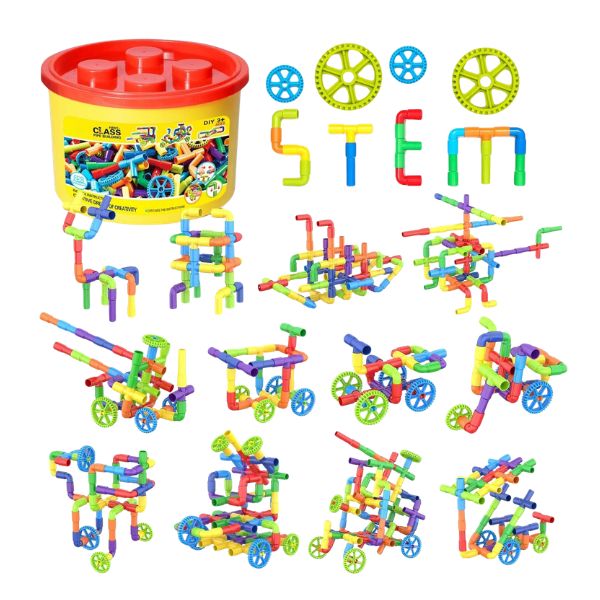
Preschool & Kindergarten STEM Kits

Ages 2–5. Sorting, colour, simple builds, sensory and water play. Two hard constraints: no small parts, and everything must be wipeable and non-toxic with a full EN71-1/-2/-3 test on the finished sample. Instruction is pictorial rather than written at this level. MOQ from 300 sets. This is the highest-volume band because every district runs a pre-K programme.
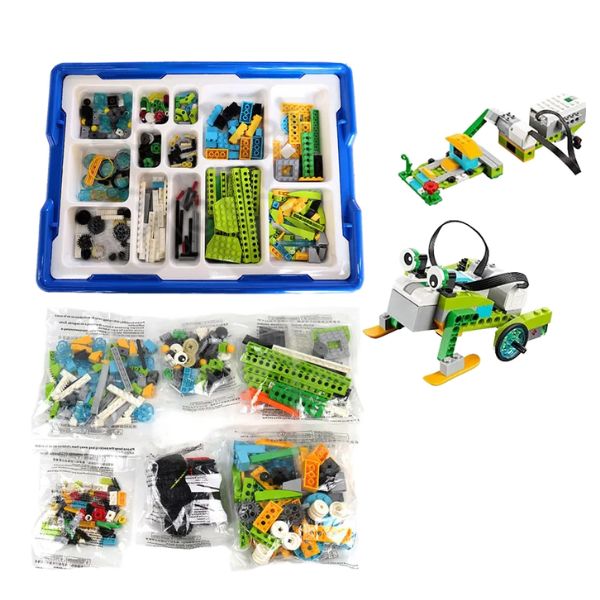
Elementary STEM Kits (Grades 1–5)

The largest single segment in school STEM purchasing. Simple circuits, magnets, simple machines, plant growth, weather observation. Under this level the requirement is age-appropriate small-parts labelling and often teacher-supervised storage between sessions. Class sets of 24–30 pack naturally into one carton.
Middle School STEM Kits

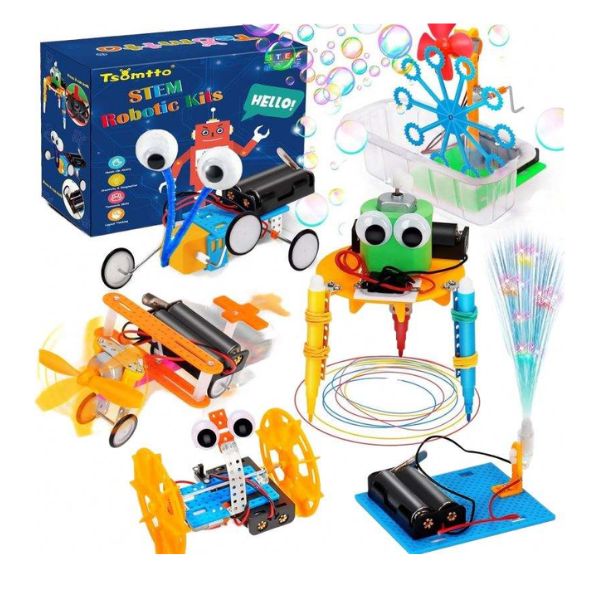
Middle School STEM Kits (Grades 6–8)

Where school STEM purchasing becomes serious: physics, basic chemistry, kits with real measurement and graphing, robotics and engineering design. At this level buyers ask for NGSS alignment and Common Core links, a teacher guide, and often a reproducible results sheet. This band has the best search competition for suppliers and correspondingly the most room for a well-documented alternative. MOQ from 300 sets.
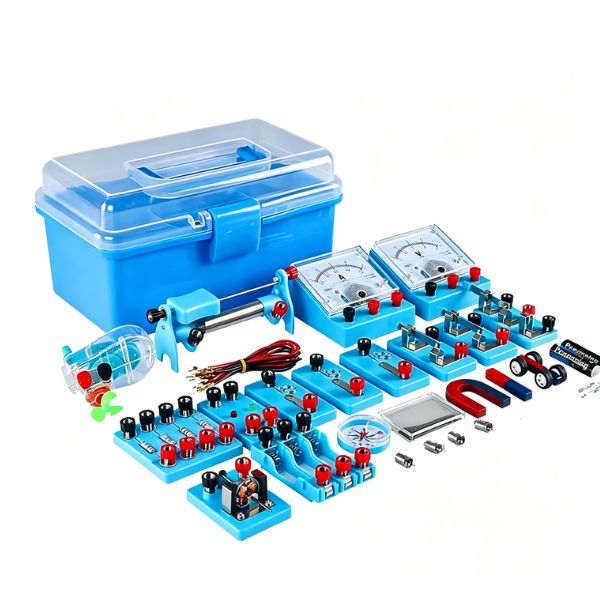
High School STEM Kits

Grades 9–12. Robotics, programming, electronics, applied physics. Quality expectations rise sharply: better component tolerances, more durable enclosures, and increasingly a demand for repeatable results across a class set of 30. Higher unit price, lower order quantity, longer replacement cycle.
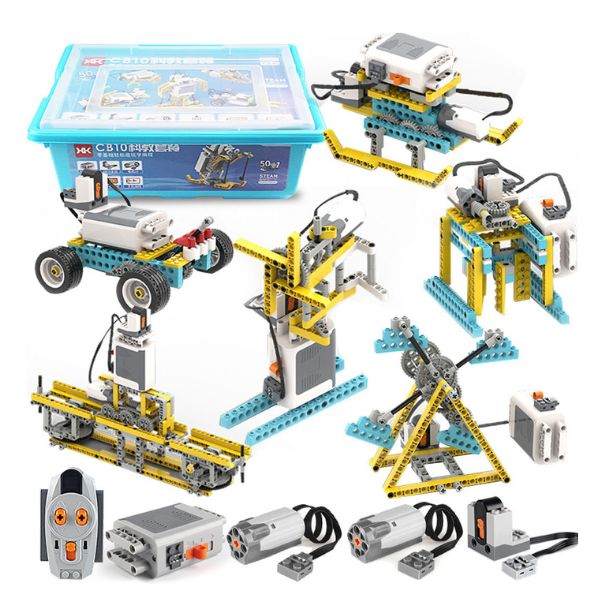
Physics & Mechanics STEM Kits

Physics & Mechanics STEM Kits

Forces, motion, energy transfer, magnetism, optics, gears, catapults and bridges. The most consistently reordered subject because the mechanics are consumed by use — mass sets, elastic bands, projectiles and construction stock run out and get replaced.
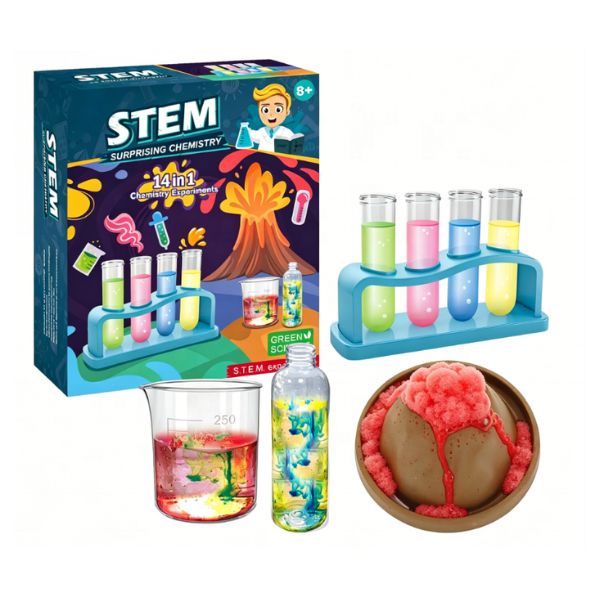
Chemistry & Experiment Kits

Chemistry & Experiment Kits

The category with the most compliance overhead. Any kit containing liquids, powders or reagents needs labelled bottles, safety data sheets, and age-appropriate handling instructions in the box, and some school districts prohibit certain reagents outright. Tell us the destination jurisdiction before quoting, because what is permissible varies.
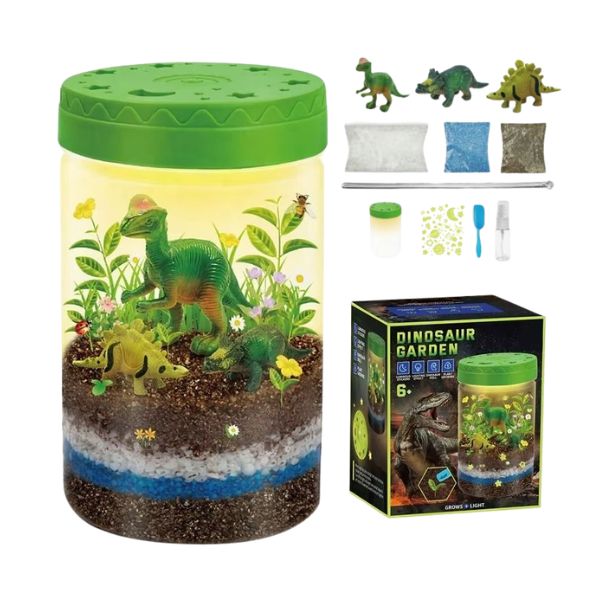
Biology, Plants & Ecology Kits

Germination, seed lifecycle, insect and habitat observation, water quality. Cheapest per kit and the most consumable-heavy — seeds, soil and water-testing strips are the repeat order. Usually bought as a term-long programme rather than a single kit.
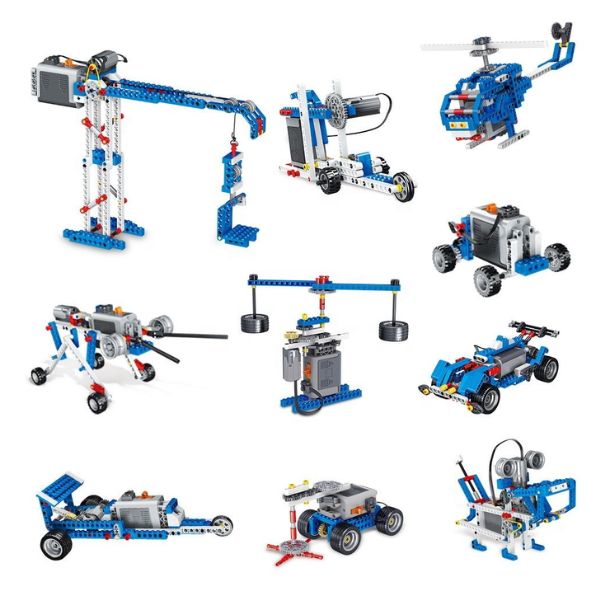
Engineering & Construction Kits

Engineering & Construction Kits

Building sets, engineering challenges, marble runs, structural design. Sold as class sets for project-based units. Timber-based rather than plastic, so the replacement cycle is driven by wear rather than breakage.
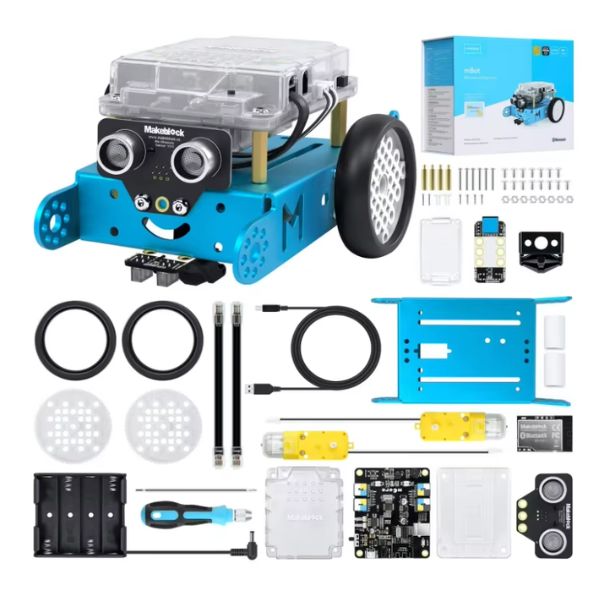
Robotics & Coding Kits

The fastest-growing school segment and the highest specification. Programmable robots, controllers, sensors, and increasingly AI and vision modules. Two things to know before ordering: these kits carry electronics and therefore battery and EMC documentation requirements, and school robotics programmes usually need a spare-parts pathway, because a damaged sensor ends a term of work.
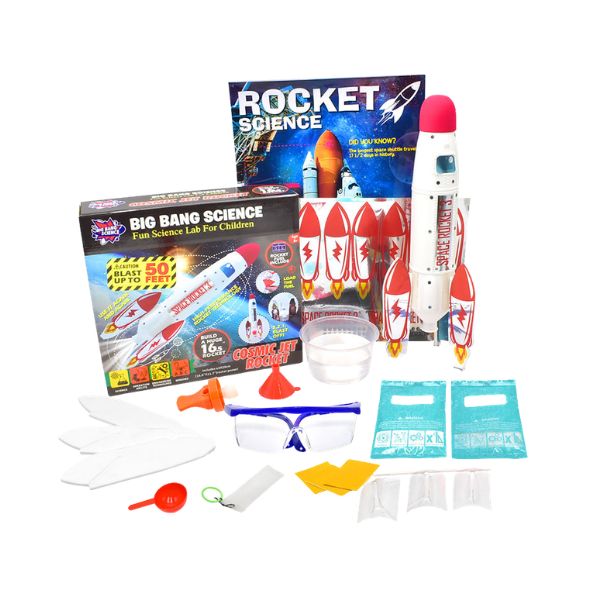
Space, Rockets & Engineering Design Kits

Water rockets, balloon-powered vehicles, solar ovens, wind turbines, earthquake-test structures. Strong fit for science fairs and for engineering-design units. Consumables — launch pads, fuses, carbon rods, film canisters — reorder well.
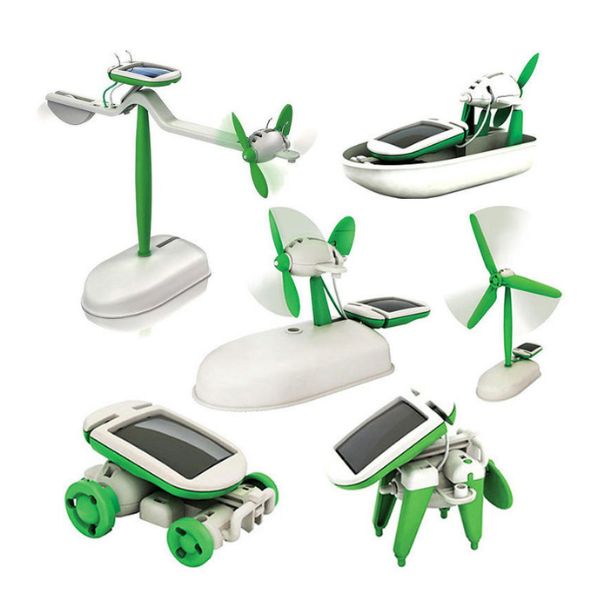
sustainability Kits

Renewable Energy & Sustainability Kits

Solar, wind and water-power kits. A newer segment with less institutional competition and correspondingly more room. Pairs well with the sustainability reporting schools increasingly have to produce.
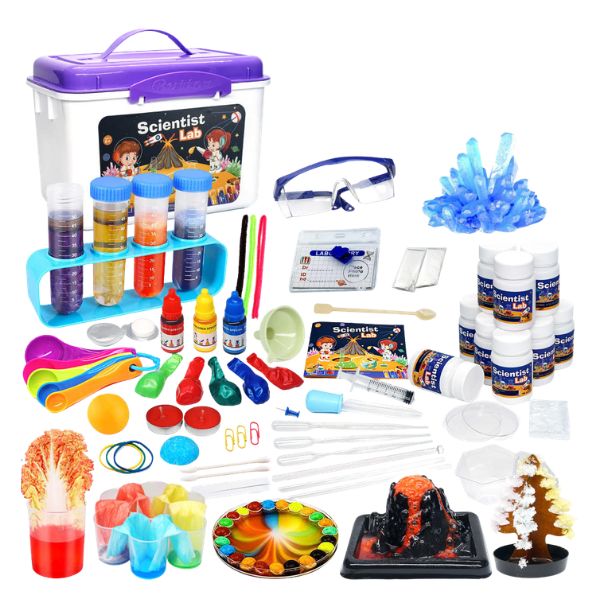
Science Fair Project Kits

Science Fair Project Kits

Single-project kits designed for competition entry rather than classroom use. Cheap per kit, sold in quantity, and bought on a fixed annual calendar ahead of the spring fair cycle. Worth stocking as a seasonal line with schools.

ETIQUETA

Why Schools and Districts Source STEM Kits Through Us

Documentation that survives procurement

Itemised bill of materials with unit counts, NGSS or Common Core alignment notes, teacher guide included in the box, safety data sheets where chemicals or liquids are involved, and a packing list that matches the purchase order line by line. Institutional buyers lose weeks to incomplete documentation, not to price.

Priced per class set, not per piece

A school orders 24–30 kits per classroom, or a full grade band of several hundred. Quote accordingly: 24-kits-per-box packaging, class-set labelling, and per-student consumable quantities rather than loose piece counts. This is a different order shape from consumer retail and it changes what the packaging has to look like.

Consumables and replacements available separately

Most STEM kits get used up. Every project-based kit we supply is designed so the consumable elements — seeds, batteries, test strips, chemical sachets, wood stock — are reorderable separately from the durable components. Schools run kits across cohorts for years, which means the refill is a repeat order. That is why this category behaves more like stationery than like toys.

One delivery across multiple suppliers

A school buying a term's STEM programme usually needs physics, biology, engineering and coding from four different factories. We quote all four, consolidate them into one shipment, and invoice once. A single delivery to one address with one set of documents is usually worth more to a district than any per-kit discount.

DESIGN

How to Configure a School Order

Schools rarely buy off-the-shelf. What they buy is a configuration. These are the five we handle, in the order most buyers need them.

1. Class-set packaging

What the buyer needs: 24 or 30 kits per carton, labelled by class rather than by SKU, so a teacher can open one box and run a lesson. This is the single most common request and it changes the packaging design completely. Ask for the quantity per box explicitly — some schools run 24 for a standard class and 20 for a smaller cohort.

2. Grade-band alignment and teacher guides

What the buyer needs: the kit mapped to NGSS objectives or local curriculum standards, with a printable teacher guide inside every box: setup time, difficulty, materials list, expected results, and troubleshooting. Districts cannot justify spend without a curriculum link. If you are competing against an established supplier, this document is usually the differentiator, not the price.

3. Institutional branding

What the buyer needs: district logo, school name, or a branded carton — for a district consolidating purchasing across several schools. Low cost per unit at volume, and it matters when the kits are visible in a classroom. Also covers donor-funded programmes where a sponsor’s logo is a condition of the grant.

4. Customised kit development

What the buyer needs: a kit built to their curriculum, from roughly USD 3,000–8,000 per design in tooling and sampling, MOQ from 1,000 sets, and 30–45 days of development. Worth it only where a district has committed to a multi-year programme — for a single year’s purchase, specifying an existing kit to their requirements is cheaper and faster.

5. Consumables split and refill programme

What the buyer needs: the durable component and the consumable component packed and priced separately, so the school can reorder the consumables without re-buying the kit. Buyers increasingly ask for this explicitly because it changes their budget from capital to operating. If you do not offer it, they cannot budget for you next year.

On school purchasing paperwork. US schools and districts buy through formal procurement: a vendor application, W-9 and vendor documentation, purchase orders rather than card payments, quotes and invoices on request, and proof of product liability insurance. Budgets usually run on fiscal years — a US district’s fiscal year typically runs July to June, so a quote requested in spring may not be spendable until the new year. If you are supplying more than one school in a district, ask whether they are buying centrally or per school, because that changes both the approval path and the price.

MOQ, Price and Delivery — the Numbers to Plan With

ArtículoTypical rangeWhat changes it
Cantidad mínima de pedido300 sets per design for preschool and elementary
500–1,000 sets for middle and high school
Robotics: 100–300 sets
Robotics and electronics have higher component cost and longer production runs, so the MOQ is set by the electronics assembly rather than the plastic.
What a “set” containsEnough for one student to complete the project
Or a class set of 24–30
Per-student and per-class are different price points. Specify which before quoting — this is the most common cause of a mispriced school order.
FOB rangeUSD 2.50–6.00 basic plastics and craft kits
USD 6.00–15.00 electronics and robotics
USD 15–40 custom or advanced laboratory kits
Component cost dominates far more than plastic. A robotics kit at USD 12 and a construction kit at USD 4 are not competing products.
Commission5–8% of order valueStated as a line on the quotation. Freight, duty and testing are billed separately at cost.
Custom developmentUSD 3,000–8,000 per designTooling and sampling. Only worth it for a committed multi-year district programme.
Teacher guide & curriculum mappingIncluded, no separate chargeWe write it to your spec and to the standards you name. If you need it localised into district template, say so before the sample.
Compliance testingUSD 800–2,500 per factoryEN71-1/-2/-3 and CE for the EU, ASTM F963 and CPC for the US, UKCA for the UK. Charged per factory and material combination, so repeat orders carry no new cost. Chemistry kits add separate chemical-handling documentation.
Plazo de producción25–40 díasLonger than consumer toys because of documentation, kitting and carton work. Add 7–10 days for custom teacher guides or district branding.
EntregaSea LCL/FCL, air express, or DDPSea is 30–45 days to US ports and needs to land before the school term starts. Air is 7–10 working days at a premium. Plan backward from the teaching date, not forward from the order.
Order cycleStanding order by termSchools reorder on a term or academic-year cycle. Offering a scheduled refill removes their procurement work entirely and locks in the repeat.

Plan backward from the school term. This is the practical difference between supplying a school and supplying a shop. A district needs the kits on the shelf before teaching begins, and their fiscal year may not be your calendar year. For a September start in the US, ocean freight means ordering in May or earlier.

How a School Supply Order Runs

  1. Scope and destination jurisdiction — You tell us the grade band, the number of classrooms and the destination state or country. This matters more than in consumer toys: what is permissible varies by jurisdiction, some districts prohibit specific reagents, and the school year start date differs by country.
  2. Specification and quotation — We send an itemised bill of materials, unit counts per kit, whether the price is per student or per class set, and the standards each kit maps to. Quote validity, payment terms and lead time stated on the face of it, because it goes into a procurement file.
  3. Vendor onboarding — W-9, product liability insurance certificate, business registration, bank details and any vendor form the district requires. Institutional buyers cannot pay an unregistered supplier, so this step is mandatory rather than optional, and it is usually where non-specialist suppliers stall.
  4. Sample and teacher review — A teacher should open and run a kit before it is committed, not just look at photographs. Samples typically take 7–12 days. If the guide needs to change, this is the stage where it changes.
  5. Compliance and documentation — ASTM F963 and CPC for the US, EN71 and CE for the EU, UKCA for the UK, plus safety data sheets for any chemical or liquid content and age-grading labels on small-part kits. Documentation is compiled as a pack rather than assembled ad hoc, because that is what gets submitted.
  6. Production and kitting — 25–40 days. Beyond the manufacturing itself, this stage includes putting kits into class-set cartons, inserting teacher guides and safety sheets, applying district branding if ordered, and applying carton marks and labels the buyer specifies.
  7. Inspection against the bill of materials — A defined percentage of cartons is opened and counted against the BOM before dispatch, not after arrival. A shortage found at your warehouse costs a phone call; the same shortage found by a school after a four-week sea transit costs you the account.
  8. Shipping, documents and repeat supply — Sea or air with full export documentation, invoice matching the purchase order, and delivery to the address the buyer specifies. Where consumables are involved, set up the refill schedule at this point so the next order is automatic.
juguetes educativos STEM

Supplying STEM Kits to Schools: How the Decision Is Actually Made

School and district buyers are not online sellers with a bigger order. They work to a different process, and understanding it is the difference between quoting and winning.

The search volume you can see is mostly the wrong buyer. The largest terms in this category — “science kits for kids”, “science kits”, “stem kits”, “science toys” — are parents and gift buyers, served by Learning Resources, HABA, Thames & Kosmos, Target and Walmart. Those are not your customers. The terms that describe your customer are smaller and less obvious: “stem kits for classrooms”, “stem supplies for schools”, “stem kits for middle school”, “best stem materials for classrooms”, “stem supplies catalog”. Several of them sit at keyword difficulty in single digits because almost nobody targets them, while the competitive-looking ones are saturated. If you build a page around the big retail words you will lose to Target; if you build it around the procurement words you will meet very little competition.

Institutional buying is slow, formal, and won on paperwork. US schools and districts purchase through formal procurement. They need a vendor application, W-9 and vendor documentation, proof of product liability insurance, and they pay by purchase order rather than card. Quotes and invoices are issued on request and must match. Most district fiscal years run July to June, so a quote approved in spring may not become spendable until the new year. None of this is a problem to solve — it is a process to work inside. The practical implication is that a supplier who cannot produce documentation on request will not get past the first committee review, regardless of price, and a supplier who can will often win business that a better-priced competitor lost on administration.

The class set, not the individual kit, is the unit of purchase. A school does not buy thirty kits; it buys thirty kits for one classroom, or four hundred for a grade band. That changes the packaging specification entirely — class-set cartons, labelling by classroom rather than by SKU, and a per-student consumable quantity rather than a loose piece count. Getting this wrong is the most common reason a school quote comes back as too expensive: the supplier quoted per kit when the buyer needed per class set. Ask which one they mean before you quote.

Consumables are where the repeat business lives, and schools know it. Every project-based STEM kit gets used up — seeds, batteries, test strips, wood stock, chemical sachets and film canisters are consumed by the activity itself. A kit that works well in a classroom is not a one-time purchase; it is a durable component plus a recurring consumable. If you split those into separately priced lines, the refill becomes a standing order and your customer relationship extends for years. If you sell the kit as a sealed one-off, the school buys it once and you are left with a single transaction. This is the single most important structural decision in this category.

What schools actually evaluate, in order. First, whether it maps to a standard they have to justify — NGSS in the US, or the local national curriculum elsewhere. Second, whether the teacher guide is usable without preparation, because teacher time is the scarcest resource in the building. Third, safety and documentation. Fourth, whether consumables are replenishable. Price comes after these, and a cheaper kit with no documentation loses to a more expensive one that has it. Competing with an established supplier is therefore not primarily a price exercise — it is a specification and documentation exercise.

Where supply goes wrong in this category. Most common is a bill of materials that does not match what arrives. A kit specified with a nylon cord arrives with cotton cord, and the school cannot run the lesson. That failure is invisible until the boxes are opened in a classroom, four weeks after shipping. The fix is an inspection against the BOM before dispatch, not a promise. Second is guide quality — a guide written in the factory’s English rather than the teacher’s. Third is chemistry kits shipped without the safety documentation the district requires, which are refused on arrival. Fourth is missing spares for electronics-heavy kits, where one damaged sensor ends a term of work.

What is moving now. Robotics and coding is the fastest-growing school segment and also the most specified, because it carries electronics and therefore battery and EMC documentation requirements and a real spare-parts need. Renewable energy kits are newer with less institutional competition. Refill and consumable programmes are spreading as districts move STEM spending from capital into operating budgets. And a growing number of buyers are asking for kits that map to a named standard, which means a supplier who can produce a curriculum mapping document has an advantage the catalogue price does not explain.

ETIQUETA

Visit Our STEM Toys Factory

STEM toys wholesale
Stem game Toys

Welcome to visit our factory and showroom in China. You can see our full production process, from design to packaging, and explore hundreds of STEM toy samples ready for wholesale.

Wholesale STEM Kits for Schools — Frequently Asked Questions

MOQ is 300 sets per design for preschool and elementary, 500–1,000 sets for middle and high school, and 100–300 sets for robotics and electronics, where the MOQ is set by the electronics assembly rather than the plastic. The more useful unit for this category is the classroom: a school typically orders 24–30 kits per class or several hundred for a grade band, so a 300-set MOQ is usually three to twelve classrooms — comfortably inside a single school’s or a small district’s requirement. Tell us the number of classrooms and the grade band and we will tell you what is workable.


Yes, and you should expect this to be a requirement rather than a preference. Institutional buyers purchase through formal procurement, so we issue quotes and invoices on request and work to purchase orders rather than card payments. We provide W-9, vendor documentation, business registration and proof of product liability insurance, and we complete vendor application forms — if we are not yet on your district’s approved list, send us the form or the link to the application and we will complete it. One practical point worth raising early: most US district fiscal years run July to June, so a quote approved in spring may not become spendable until the new financial year. If you are supplying several schools in one district, ask whether purchasing is centralised or per school, because that changes both the approval path and the price.


Yes, and it is included at no separate charge. We write the teacher guide to your specification and to the standards you name, with setup time, difficulty level, materials list, expected results and troubleshooting, and we include printed copies in every carton plus a digital version for the district. We also produce a curriculum mapping document showing which standards each kit addresses, because districts cannot justify expenditure without a curriculum link. If you need the guide in your district’s own template, say so at the sample stage rather than after production. If you are competing against an established supplier, this document is usually where the decision is made — not on price.

Reordering is the reason this category is worth building a business in rather than treating as a one-off order. Every project-based kit consumes its own materials — seeds, batteries, test strips, wood stock, chemical sachets, film canisters — so a kit that works well in a classroom is not a one-time purchase but a durable component plus a recurring consumable. We price and pack those two separately so a school can reorder the consumables without re-buying the kit. That converts their budget from capital to operating and removes the procurement work entirely. We can set it up as a standing order by term. If you sell the kit as a sealed one-off you get a single transaction; if you split it you get years of them.

Basic plastics and craft-based kits run USD 2.50–6.00, electronics and robotics USD 6.00–15.00, and advanced or custom laboratory kits USD 15–40 — component cost dominates far more than plastic, so a robotics kit at USD 12 and a construction kit at USD 4 are not competing products. For budgeting per classroom, multiply your chosen kit price by 24–30 and add a consumables allowance, because the refill line is what recurs. Commission is 5–8% of order value, shown as a separate line on the quotation. One thing that catches buyers out: specify whether you are quoting per student or per class set before we quote, because that alone can make the same product look 30% different.

We supply against ASTM F963 and CPC for the United States, EN71-1/-2/-3 and CE for the European Union, and UKCA for the United Kingdom, compiled as a documentation pack rather than assembled on request. Chemistry and experiment kits carry the most overhead: any kit with liquids, powders or reagents needs labelled bottles, safety data sheets and age-appropriate handling instructions inside the box, and some districts prohibit particular reagents outright — which is why we ask for the destination jurisdiction before quoting. Under three, small-part testing under EN71-1 and EN71-2 is not optional and a failure at customs is a total loss on that line rather than a delay. Certificates are issued per factory and material combination, so repeat orders carry no new cost.


Production runs 25–40 días after sample approval — longer than consumer toys because of documentation, kitting and carton work — and add 7–10 days if you need a customised teacher guide or district branding. Samples typically take 7–12 days. Ocean freight to US ports is 30–45 days; air is 7–10 working days at a premium. The practical answer is to plan backward from the teaching date rather than forward from the order date. For a September start in the US, that means ordering in May or earlier. If your date is tight, tell us before we quote, because the honest answer may be that air freight on the full order is the only way to make it — and that is better established beforehand than discovered afterwards.

Yes, at USD 3,000–8,000 per design in tooling and sampling, MOQ from 1,000 sets, and 30–45 days of development. The honest caveat: this is worth doing only where the district is committed to a multi-year programme. For a single year’s purchase, specifying an existing kit to your requirements is cheaper and faster, and it is what we would usually recommend. What we can do without custom tooling is often more useful than a new mould — re-specifying components, quantities, packaging and the teacher guide to your curriculum and your standards, at a fraction of the cost.

 Yes, with two things flagged before you order rather than after. First, robotics and electronics carry battery and EMC documentation requirements on top of the toy testing, which we plan in from the sample stage. Second, school robotics programmes need a spare-parts pathway, because a damaged sensor ends a term of work rather than one lesson. We supply spare controllers, sensors, motors and cables separately from the kit, and we can hold a spare-parts stock against your programme. We are also based in Yiwu and Shantou, so replacement parts are on the ground with the factories rather than being shipped from another continent — which is what makes a mid-term replacement realistic.

Educational Toys Manufacturer & Sourcing Partner in China

Request a School or District Quotation

Tell us the grade band, the number of classrooms, the destination and the teaching start date. That is enough for an itemised quotation with a bill of materials, unit pricing per class set, standards alignment notes and delivery dates.

Useful to include: grade band and class size, number of classrooms or students, destination state or country, subject areas needed, whether you need teacher guides and curriculum mapping, your required delivery date, and whether you are buying centrally or per school.

If you need us onboarded as a vendor first, send the application form or the link and we will complete it along with our W-9, insurance certificate and business documentation.