Top 21 Toy Manufacturers in China (2026)
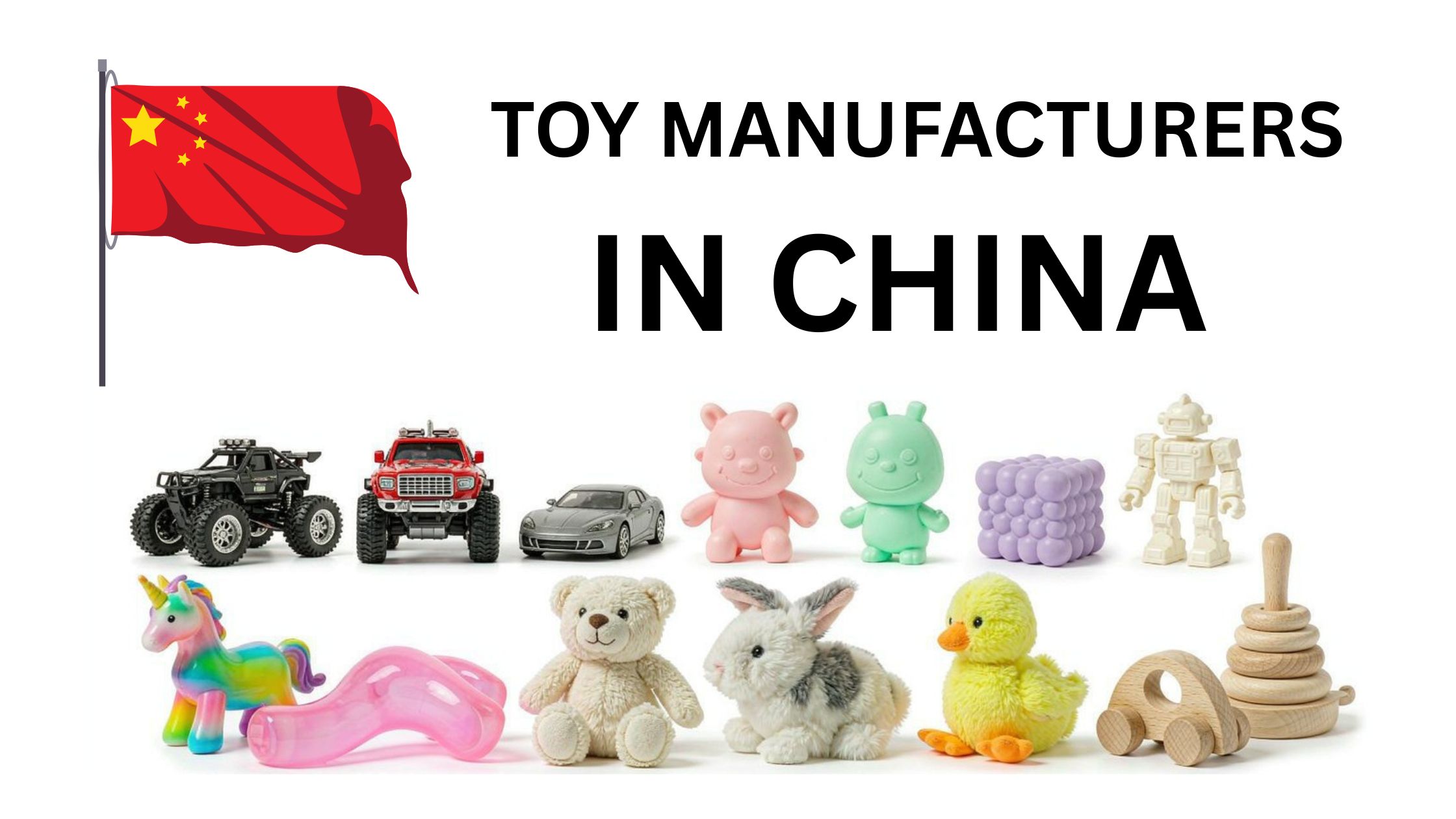
China’s toy factories sit in six clusters, and they do not all make the same thing.
Here are 21 of the toy manufacturers in China we could verify, with what each is good and bad for.
1. Which Cluster to Buy From, and Why the Wrong City Costs You Twice
Picking the wrong cluster is the most common mistake. Each one does some things very well and others badly. Get this wrong and you pay twice for someone else’s learning curve.
| Cluster | Strongest in | Typical order size | The trap |
| Chenghai, Shantou | Plastic, RC, electronic, baby and pretend play | Large, direct from the manufacturer | The most crowded. Many sellers here are traders, not manufacturers. |
| Dongguan | Fine moulds, vinyl figures, trendy toys | Medium to large | Long lead times, and mould work needs real budget. |
| Yiwu, Zhejiang | Mixed goods, small order sizes | Small and mixed | Mostly wholesalers. You are buying from traders here. |
| Yunhe, Zhejiang | Wooden toys, beechwood, FSC certified | Medium | Strong in wood, weak in plastic. |
| Yangzhou, Jiangsu | Plush and stuffed toys | Medium to large | Heavy export mix. Check your tariff exposure. |
| Pingxiang, Hebei | Kids’ bikes, scooters, balance bikes | Large, volume | A separate trade with its own rules. |
Two cluster numbers matter most. Chenghai makes about half of all plastic toys in China and one-third of the world’s, with more than 60,000 toy manufacturers in 345 square kilometres and over RMB 50 billion in annual toy trade. Official figures from December 2025 add two more: 90% of toy parts can be sourced inside the district, and roughly 1,000 new products appear every day.
Yangzhou’s plush trade is around 2000 registered companies and 150,000 workers, worth over RMB 30 billion a year. That is over 30% of China’s plush output and close to 20% of the world’s, according to state media coverage in December 2025.
One number works in your favour here. China’s toy exports fell 12.68% in 2025 to USD 34.81 billion. Makers need order visibility, and right now they need it badly. Ask for better payment terms and lower order minimums. The tide is with you.
Both clusters cut both ways. Your rival is doing exactly what you are, in the same week, for a similar price.
Two shows are worth the trip. The Shantou Chenghai Toy and Gift Expo runs 29 October to 1 November 2026 at the Shantou International Convention Centre: over 100,000 m², 11 halls, 2,500+ brands. The Shenzhen Toy and Trendy Play Fair drew 1,453 exhibitors and 72,330 trade visitors in April 2026. At either show, most stalls are traders, not manufacturers. One question sorts them out: where is your factory, how many injection moulding machines do you have, and can I see them?
2. The 21, by Category
Three things before you read. We have not walked these floors. Every company here was checked against filings, customs data and industry association records. We only list one if its toy business shows up in its accounts and its safety papers name that company. Other lists recommend companies that no longer make toys at all. And 21 is the honest ceiling, not a round number — we could not verify more without inventing them.
Most of these are single manufacturers. Two are clusters rather than companies: Pingxiang is a county-scale industry, and Dongguan’s Shijiao district holds thousands of small factories with almost no public documentation. Naming one company from each would have meant inventing it.
Plastic, RC and Licensed Vehicle Models
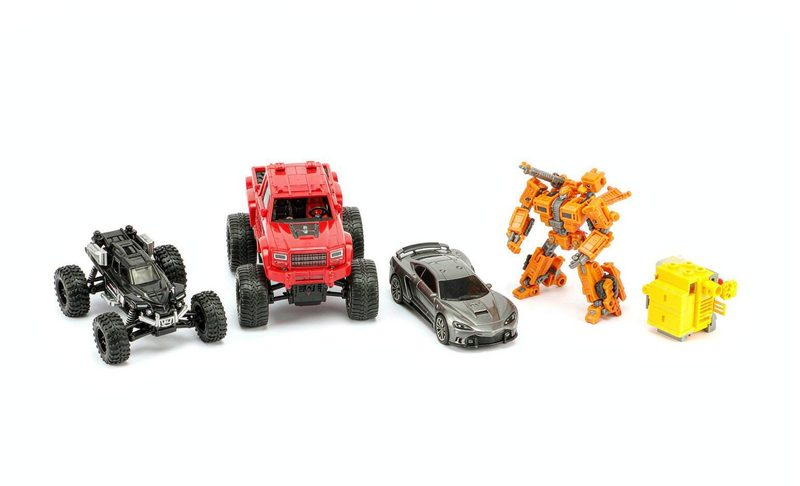
1. Xinghui Interactive Entertainment / Rastar — the strongest of the toy manufacturers in China.
Licensed by more than 35 global car makers, shipping 400+ products to 120+ countries. The 2025 report shows toy revenue of RMB 451 million, of which RMB 363 million was exports. Holds 232 patents, runs its own RoHS, EN71 and phthalate tests, and holds CE, RoHS, FCC, ASTM F963 and CCC. The plant passes BSCI and FCCA audits. Its 1:10 Hummer EV RC brick model took a bronze at the 2025 Canton Fair Design Awards.
Good for: licensed vehicle models with a clean audit trail into the US market. Not for: the lowest price on generic toys. This is a scale operation selling design value.
2. Guangdong Alpha Industrial / Auldey Toys — deepest in standards, but probably not your OEM.
The group behind Super Wings and Pleasant Goat, with licences across 28 IP titles. Holds 625 patents (144 of them invention patents) and a CNAS-accredited lab with 380 pieces of test gear. It helped draft 32 national toy standards, the highest rate of any Chinese toy company. Also holds ISO9001, CCC and AEO.
Good for: buyers who need test capacity and standards knowledge under one roof. Not for: most importers. Auldey Toys was set up to make its own branded products, so expect no ordinary third-party OEM work. Ask before you fly.
3. Guangdong Shuangying Toys / DoubleE — the long-running RC specialist.
Founded in 1995 in Chenghai, DoubleE occupies over 50,000 square metres of factory and office space, with registered capital of RMB 50 million. Its registration number is 91440515665033317L and its listed size band is 500 to 999 staff. It sells into more than 60 countries, and it runs product development offices in Shenzhen, Hong Kong, and Germany. The range runs from entry-level inertia RC cars at about RMB 30 up to scale models near RMB 300, across RC off-road, racing, engineering and stunt vehicles, plus building blocks.
Good for: buyers who need a broad RC price ladder under one roof, from cheap entry models to collector-scale. Not for: anyone who needs published capacity figures. Production claims circulate widely online, but we could not find a certificate to back them. Treat the range and country count as the reliable part.
IP Derivatives and AI Toys
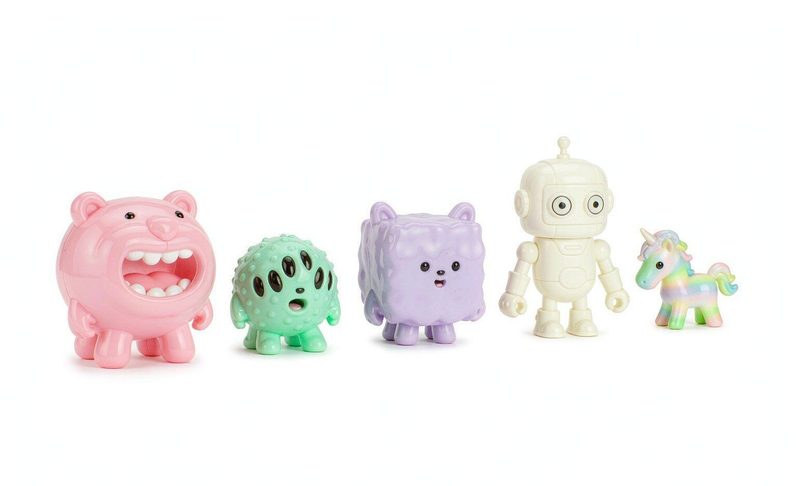
4. Shifeng Cultural Development — the widest IP range, plus one risk to price in.
Licences cover Pokémon, Disney, SpongeBob, Eggy Party and Super Wings. Already sells AI toys built on a large language model, the AI Magic Star and AI Flying Rabbit. Around 278 patents, 1,000+ product specs, nearly 100 countries.
The risk you must check: a solar investment lost cash for two straight years, leading to an RMB 115 million compensation dispute. By January 2026 only RMB 2.84 million was recovered, and nine guarantors were censured by the Shenzhen exchange. Check where this stands before ordering.
Good for: licensed product, and being early on AI toys. Not for: buyers needing a clean corporate record, or unbranded OEM.
5. Guangdong Senbao Cultural — 20-plus national IP titles, and likely a brand, not a factory.
Licences include the Palace Museum, China Aerospace and the Shandong carrier. Focuses on block design and brand rather than manufacturing, though it runs injection moulding machines and has developed close to a thousand moulds. Revenue doubled year on year. It outsources precision parts and keeps design in house.
Good for: developing a culturally themed block range with recognised Chinese IP. Not for: buyers wanting a standard catalogue and a low minimum. Treat it as a brand office that owns some equipment.
6. Guangdong Xinjiaqi Technology — small, but building scale-figure-grade blocks.
Makes hand-figure-grade blocks in Chenghai. Its “Dawn Aerospace” series uses a translucent structure you can pull apart to see the mechanism inside. Covered by Chinese business media in December 2025, presenting to Spanish buyers.
Good for: blocks with a visible internal mechanism rather than plain brick sets. Not for: volume buyers. We found no capacity, staff or revenue figures, so treat it as a lead, not a supplier.
The Part of the Chain Nobody Thinks About
7. Shantou Gaodes Precision Technology— the parts maker your factory needs.
Most buyers searching for toy manufacturers in China never know this layer exists.
Makes more than 10 billion building block pieces a year in a lights-out plant where robot arms do all the work. Set up in 2017, it supplies precision components, not finished sets. The bead details on the Palace Museum’s “Nine Dragons and Nine Phoenixes” product came from here.
Good for: educational block makers who need a stable component source and can assemble locally. Not for: buyers wanting a finished product. This is a parts supplier, not a factory you can order toys from. Most buyers never realise this layer exists.
Plush Toys from Yangzhou
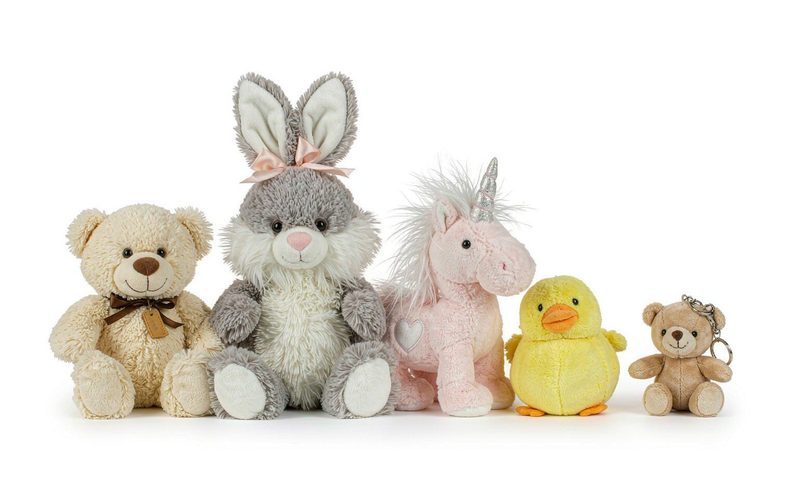
Yangzhou holds China’s plush trade, and ten of the toy manufacturers in China on this list come from here. Three of them appear on the core member list of the Yangzhou Plush Toy Industry Association, a stronger source than any supplier directory. A note on units: the Chinese plush trade counts capacity in da. One da is 144 pieces.
That is ten in a row, so here is the short version. Ciyang has the hardest papers. Yalen is the biggest. Diteng leads on green materials. Situpu leads on owned design. Yilin is the top exporter but leans hard on the US. The rest are solid mid-size houses worth a quote.
8. Yangzhou Ciyang Arts & Crafts — the hardest papers to get on this list.
Holds ICTI, C-TPAT and GSV security certification, plus Walmart, Disney, Target and Walgreens supplier approvals. 12,000 m² of land, 9,000 m² of factory, 120+ machines, 209 staff including 15 dedicated QC. Makes 3 million plush toys a year plus 200,000 ride-ons. Running since January 1993, selling into the US and EU.
Good for: importers selling into US retail chains that audit supply chain security. C-TPAT and GSV are hard to get, and this maker has both. Not for: wood, plastic or electronic toys. A plush and ride-on specialist.
9. Yangzhou Yalen Toys — the biggest plush employer here.
Set up in 1991, runs two wholly owned factories with over 1,000 staff and its own import-export rights. Capacity of more than 800,000 da, roughly 11.5 million plush pieces a year. Sells to the US, EU, Japan and China. Holds a vice-chair seat in the China Gifts and Novelties Industry Association.
Good for: buyers needing a large supplier with export rights and depth under one roof. Not for: small runs. At this scale, expect high minimums and volume pricing. The association lists long-term customers, but we could not verify that independently.
10. Yangzhou Jiaruiqi Arts & Crafts — solid mid-size producer with its own export licence.
Built out in 2001 on 38 mu in the Weiyang zone. Close to 200 staff, 400+ machines, and can make 7.2 million plush toys a year. Holds its own import-export rights and export toy quality licence. Sells into Europe, the US and Southeast Asia.
Good for: buyers who want proven shipment volume and mid-size capacity, not a giant plant. Not for: very large single orders. Your volume would be a real share of their output, so reserve capacity early.
11. Yangzhou Wankun Toys — mid-size, with dated but usable figures.
Created 1999 in Hanjiang district, 18,000 m² of land, 180 staff. Works with Disney and BAB among others. Exports to Europe, the US, Australia and the Middle East. Published figures are from 2018: 2.2 million toys, about RMB 70 million in sales. Treat that as a scale floor, not a current number.
Good for: buyers who want a mid-size plush house with a checkable business licence and named partners. Not for: anyone needing current financials. The only sales figure we can trace is seven years old — which is exactly the problem this list exists to flag.
12. Yangzhou Yilin Toys — a top-three exporter, with tariff risk that worries us.
One of Yangzhou’s top three plush exporters at roughly 15% of the city’s plush toy exports. Le US takes about 85% of its output, plus the UK and Canada.
Good for: buyers who understand US tariff exposure and want a supplier that knows that market. Not for: buyers who need market spread. 85% on one country is a structural risk, not a preference. Ask how they would handle a tariff change before committing.
13. Yangzhou Diteng Toys & Gifts — the strongest green-materials story here.
Eight years of investment in recyclable materials, and every product ships with a green passport that traces it. Sales reach RMB 200 million a year, with R&D spending past RMB 8 million. A product manager at a leading British toy company told People’s Daily in December 2025 that they come for exactly this reason. In early 2026 it supplied a Russian customer a full design-to-sales package worth over RMB 8 million.
Good for: European and UK buyers whose customers ask about sustainability. The green claim has a named source and eight years behind it. Not for: buyers who just want the cheapest plush per piece. Recyclable material carries a price.
14. Yangzhou Situpu Toys & Gifts — 2,000-plus own copyright certificates.
In 2022 the chairman cut most commodity orders and bet on owned IP. Now holds more than 2,000 original copyright certificates across three R&D lines. Cube Buddy launched April 2026 and sold 200,000+ units worldwide in under a year. Its glitter unicorn brand is registered in the US. Product director Tang Lili told People’s Daily: “We do not follow trends and we do not copy.”
Good for: buyers who want real design IP rather than a re-badged catalogue, and who can sell a shape story socially. Not for: buyers who need a price-led commodity plush line. This company walked away from that on purpose.
15. Yangzhou Jinyi Arts & Crafts — small, design-led, and specialised.
Makes plush toys, plush shoes and plush bags — a mix most plush houses cannot do. Over 9,000 m² of land, around 98 staff with several senior designers. Annual sales about RMB 15 million, selling into Europe, the US and the Middle East.
Good for: buyers who need plush shoes and plush bags, which most plush factories do not. Not for: volume orders. At roughly RMB 15 million in sales, well below the tier for large programmes.
16. Yangzhou Feige Arts & Crafts — small, but spreads risk across 20-plus countries.
Based in Yizheng, outside the main Hanjiang cluster, which shows the industry spreading. 7,647 m² of land, four workshops, close to 80 staff. Makes long-pile, fabric and electric plush, sold into the US, EU and 20+ countries. Named a Jiangsu quality-honest enterprise in 2011.
Good for: buyers who want a wide export spread and no single-market dependency. Not for: high volume. Under 80 staff means low ceilings.
17. Yangzhou Lanbai Arts & Crafts — a copyright library, with no public scale data.
Develops its own mid-to-high-end plush and home products. Holds 36 trademarks, 534 copyright works and 33 design patents under Lanbai Dolls and Captain Morgan. That is the whole public record. No capacity, staff or export figures exist, which is worth knowing before shortlisting anyone from this cluster.
Good for: buyers who value design rights over production scale, and can check capacity later. Not for: anyone needing verified production numbers. We list this on its IP library alone, and would not order without a site visit.
Wooden Toys from Yunhe
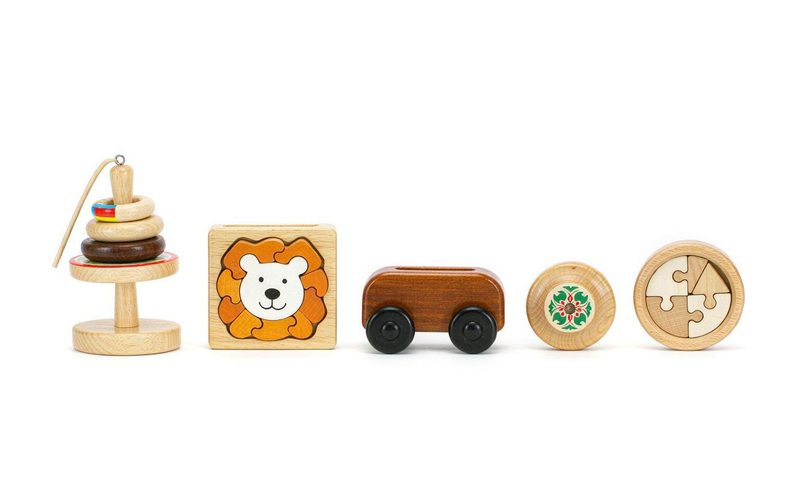
18. Zhejiang Hexin Toy Group / Muwan Family — a 50-year-old wooden toy benchmark.
Traces back to a 1973 workshop in Yunhe, now China’s wooden toy capital. Holds 100+ patents, ISO9001 and FSC certification, shipping into 82 countries. Yunhe has 1,100+ wooden toy companies and produces roughly 66% of China’s and 40% of the world’s wooden toys, with county output of RMB 7.53 billion in 2024.
Good for: buyers who need FSC-certified wood and can use a country-of-origin story in their marketing. Not for: plastic, electronic or trendy toys. Hexin runs a brand first, so ask early whether it takes OEM work.
19. Zhejiang Dasanlin Arts & Crafts — small, but the clearest sign of where this industry is going.
Instead of only exporting wooden toys, it has put “wooden toy cafés” inside cafés themselves, two running in Prague as of 2025. General manager Wei Qingchuan describes the shift: online first, then shops and trade shows, then cafés where children touch the toys while parents sit and drink coffee.
Good for: buyers who want to see where Chinese toy exporting is heading. The clearest published case of brands moving past container sales into local retail. Not for: volume buyers. Mid-size, and we have not verified its capacity from any official record.
Kids’ Bikes and Ride-Ons
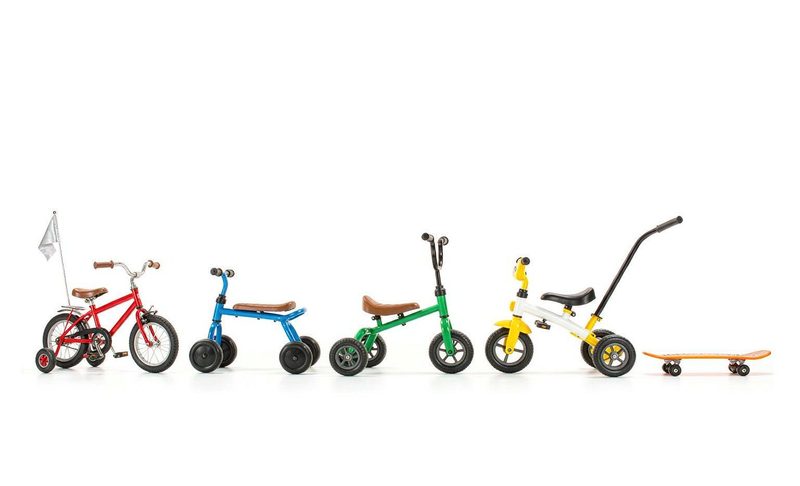
20. Pingxiang County, Hebei — a county-scale industry, not one company.
If your product is a bike, this is the one cluster on the list you need, and it sits outside the toy industry entirely.
China’s capital of children’s bikes. Over 8,000 companies and 120,000+ workers make 145 million units a year, taking 50% of China’s market and 40% of the world’s. Cluster revenue passed RMB 30 billion in 2024; exports reached about RMB 890 million in 2025 across 180+ countries.
Good for: buyers in bikes, scooters, balance bikes and child seats, who now know not to waste time in the toy clusters. Not for: everyone else. This is a different trade with its own rules, and it is not part of China’s toy manufacturing base. Do not treat it as an extension of Chenghai.
Trendy Toys, and Why We Listed No Single Factory
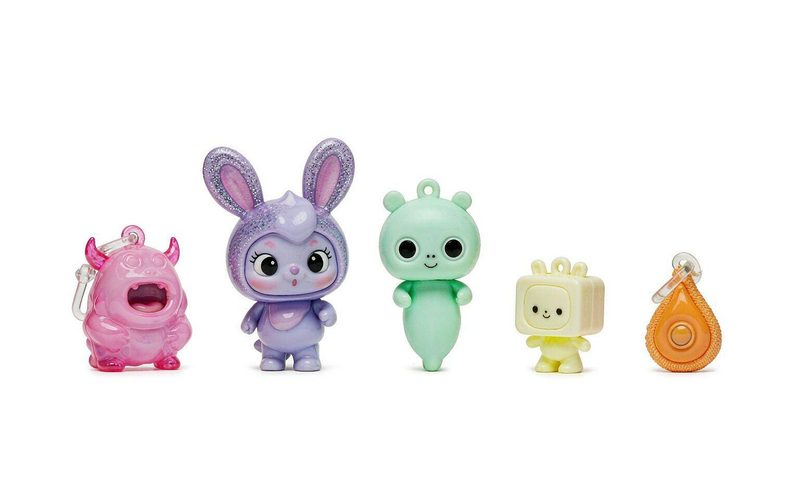
21. Dongguan’s Shijiao district — the one cluster we will not break into names.
Trendy toys and vinyl figures come from Shijiao, the fastest-growing segment in China, with over 4,000 toy production companies. The craft is real: industry analysis of 4.8 million-plus Chinese manufacturing records puts face detail at half-millimetre level, and notes that mould turnaround speed decides who wins blind-box orders. POP MART’s Labubu charm drove global queues and topped the US App Store shopping chart.
And yet we will not name a single factory. One described as a leading Shijiao supplier appears in different articles as making 3 million units a month and as making 30 to 40 million a year. Another is credited with “98.7% IP shape accuracy based on third-party blind testing in 2025”, with no test body named. These makers may well be good. Nobody has documented them well enough for us to recommend one.
Good for: buyers who know the cluster and need a local check on named factories. Not for: buyers who want a shortlist today from a public list. None survives checking, and we would rather say nothing than invent one.
3. Frequently Asked Questions
Which toy manufacturers in China are the largest? It depends what you count. By 2025 toy revenue, Xinghui (Rastar) reported RMB 451 million. Alpha Group reported RMB 953 million in toys, inside a larger group that also runs film and games. Chenghai district overall produced over RMB 50 billion, and Pingxiang makes 145 million bikes a year.
Are toy manufacturers in China reliable? The industry is large and uneven. Chenghai alone holds more than 60,000 makers. Reliability depends on the specific company, not the country. Run the annual report check and the penalty search before you commit.
Can I order directly from a toy manufacturer in China without an agent? Yes, and most buyers do at first. What you lose is the ability to visit showrooms, check papers in person, and catch spec drift. On a complex first order, a local team costs less than a mistake.
What is a realistic minimum order quantity? Stock items often go lower than you expect, especially in mixed orders. Custom colours, your own packaging or a new mould need several thousand. Trendy and novelty items sit lower than main-line toys.
Which papers do I need for the US and EU? The EU needs EN71 plus a CE mark. The US needs ASTM F963 (2023 version) plus CPSIA limits and a CPC from a CPSC-approved lab. A CE mark taken for another market does not satisfy US rules.
How do I find a manufacturer for a trendy toy category? Start with the Dongguan cluster, but do not rely on directory lists. Ask for the last three customers you shipped this exact product to, then check that claim independently. Trendy toy factories turn over fast, so the name on the website may not be the name on the invoice.
Can you check a company for me? Yes. Send us the product and we will run the same five checks against the public record, then tell you what we found and what we could not confirm.
Which Chinese plush factory should I look at for sustainable products? Two on this list. Yangzhou Diteng has eight years of recyclable material work, a green product passport, and RMB 200 million in sales. Yangzhou Situpu holds more than 2,000 own copyright certificates and sells design-led toys rather than commodity lines. Both are cited in state media coverage, so you can check the claims.
How long does production take? 25 to 45 days after you approve the sample, plus 2 to 4 weeks by sea. Rush is possible at a premium. Fix the timing before you commit to a retail window.
What is the next step after I pick a company from this list? Send them your product spec, target market and order size. Ask for three things back: a quotation that states what it includes, a sample, and the name of the lab that would test it for your market. If a factory cannot name that lab, stop there.
How much does it cost to import toys from China? Unit cost is only part of it. Add tooling, packaging, inspection, inland freight, ocean freight, duty and a broker fee. A cheap unit price with a large minimum is usually more expensive than a fair price with a small one. Budget USD 50 to USD 200 for a custom sample, and 7 to 14 days for it to arrive by courier.
What safety rules change on 1 November 2026? China’s new mandatory toy safety standard GB 6675-2025 takes effect. It tightens chemical limits, adds boron for clay and slime products, and raises plasticiser limits from 6 to 10 types. The mechanical rules now align with ISO 8124-1:2022. If you buy slime, squishy, foam, scented, plush or soft PVC, assume your test reports need rework. Start now.
One last thing. Every company here traces to a source, and every one has something it is not good at. That second part is why you can trust the first. Four entries have no verified capacity figure, and two are clusters rather than companies. We have told you which is which.
For a second view on a supplier, send us your product requirements. We will tell you what the record shows, including when it shows nothing good.