Wholesale Arts and Crafts Toys Sourced from China
Arts and crafts kits are the most documentation-heavy category we handle: paints, dough, slime and glues are chemical products children handle for hours and sometimes mouth. As a wholesale arts and crafts supplier in China, we serve importers, distributors and retail chains buying craft supplies in bulk — comparing verified manufacturers on formulation, kit contents and paperwork, then inspecting finished goods before shipment.
UNSER PRODUKT
Wholesale Arts and Crafts Kits by Type
Six categories cover most wholesale programmes. What separates them is what sits inside the box — a dry kit ships and tests like stationery, while a kit with paint, slime or glue is treated as a chemical product from sampling onwards.

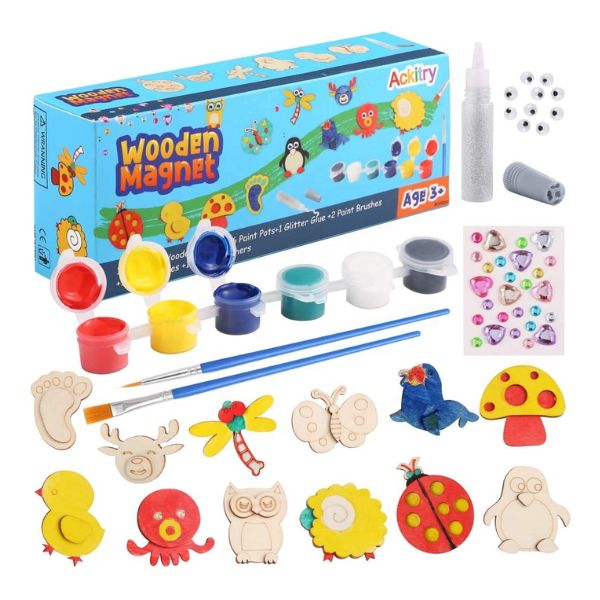
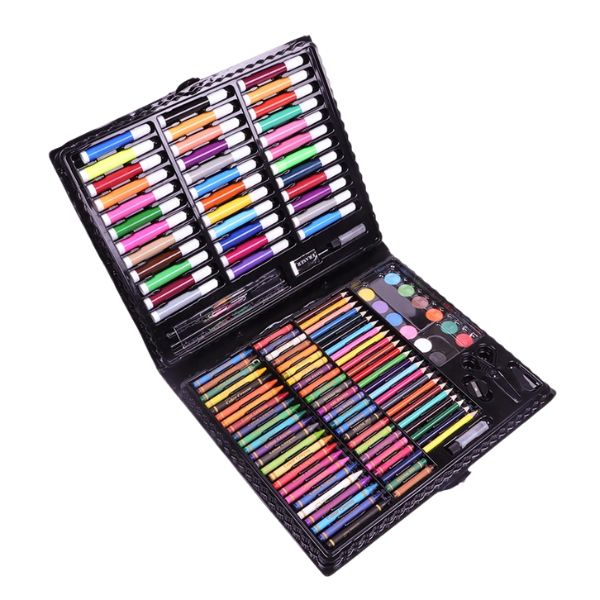
Painting and Drawing Kits
Acrylic and watercolour sets, canvas boards, brush sets, easels and aprons. The paint is the regulated part — pigment, binder and preservative decide which migration and cleanliness tests apply. Water-based acrylics dominate export programmes; solvent formulas are harder to ship and to clear.

Diamond Painting and Gem Art Kits
Adhesive canvases with resin drills, pens and trays. Cost and risk sit in the drill count and the artwork. Drills are small parts, so age grading is settled when the design is chosen, not when the pack is printed.
Clay, Dough and Slime
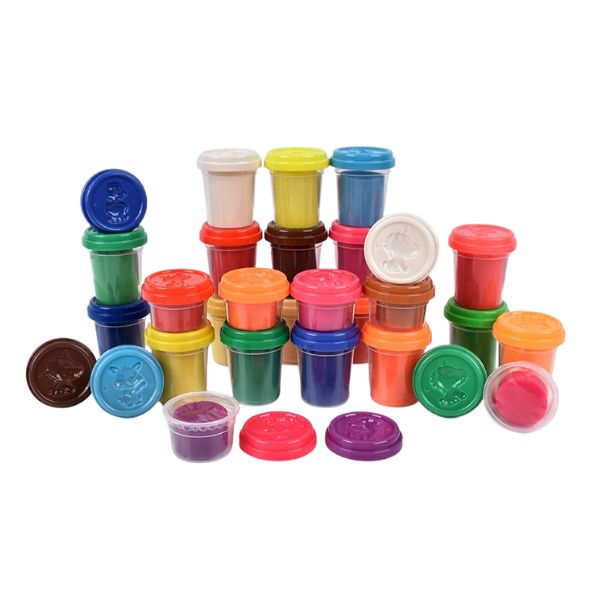
Air-dry clay, modelling dough, butter slime and sensory putty. Boron is the element that fails most often, and the limit depends on the material class — sticky is tested far tighter than pliable, so one recipe cannot be sold as both dough and slime without retesting. Seals matter: a tub that leaks arrives dried out.

Scratch Art and Water-Reveal Sets
Scratch boards, night-view cards, magic water books and reusable drawing mats. Low unit cost, high volume. The coated board is assessed as a scraped-off surface, and water-reveal books fail on legibility after repeated use rather than on safety.
Colouring, Sticker and Stamp Sets
Colouring books, sticker scenes, stamp and ink pad sets, window art. Paper weight and print quality carry the perceived value here, and ink pads are the component most often missing a current test report.
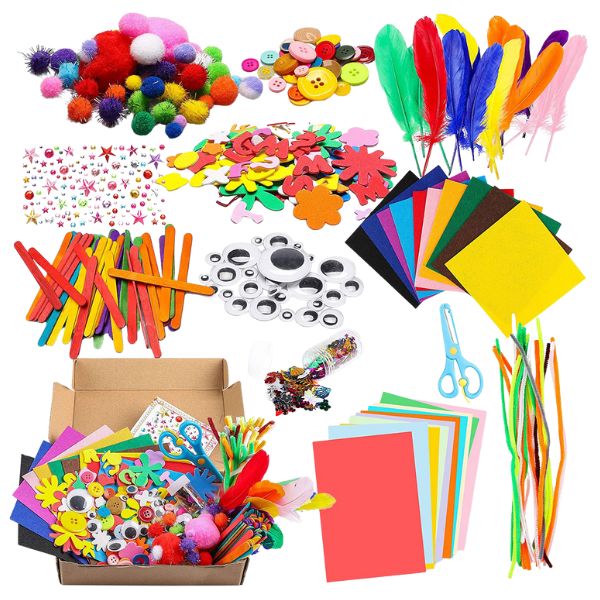
DIY Craft and Sewing Kits
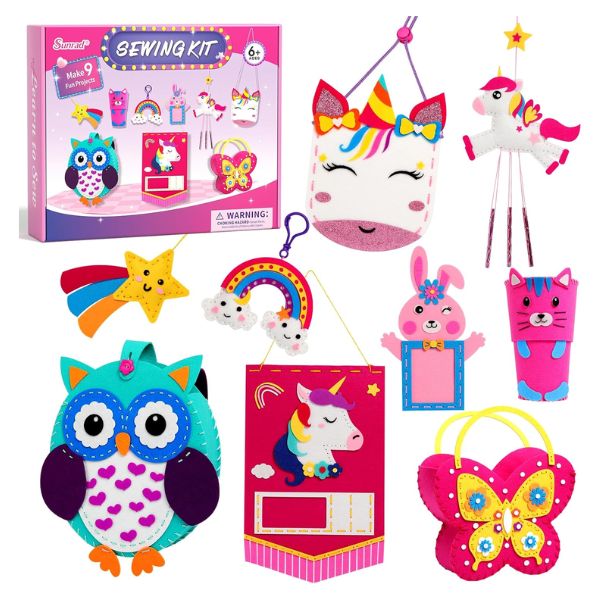
Bead and pom-pom sets, mosaic kits, bracelet kits, beginner sewing and felt projects. Assembly programmes rather than chemical ones: component count, small-part risk from beads and needles, and instruction clarity decide whether the line survives its first return season.
ETIKETT
How an Arts and Crafts Kit Is Specified
Five decisions define the order. Settle them before you ask for a price and quotes from different factories become comparable.
Formulation and Material Grade
Water-based or solvent-based, pigment source, preservative system, fragrance. A colour or fragrance change counts as a formulation change and can invalidate an existing toxicological review. Ask for the ingredient list with CAS numbers before sampling, not after.
Kit Contents and Component Count
Every component carries its own material, test scope and small-part assessment — a 48-piece set is 48 decisions. Freeze the contents before the packaging is tooled: the box is sized to the contents, and one late addition means a new insert and a new carton.
Artwork, Licensing and Brand IP
Factory artwork libraries are frequently unlicensed. Print a design you do not own and the exposure lands on you, not the factory — marketplace takedowns, withheld funds or a seizure at the border. Bring licensed or original artwork and keep the licence in the order file.
Logo and Branding on Components
Aprons, brush handles, storage cases, canvas borders and carry handles all take a mark. Absorbent and flexible surfaces behave differently from cartons, so approve a branded sample rather than a mock-up. Screen printing suits flat surfaces; heat transfer handles multi-colour artwork on fabric.
Packaging, Instructions and Labelling
Header cards, window boxes, storage cases and gift assortments each change freight volume and shelf presence. Instructions usually need several languages and must match the age grading. Warning statements, importer address and tracking label belong on the retail pack, not only in the artwork file
Let the Formulation Decide the Test Plan
Three questions settle most arts and crafts decisions before a quote exists. Will it be mouthed or handled for long periods — paints, dough and slime fall into the migration-tested classes under EN 71-3, where a sticky material is tested against a far tighter boron figure than a pliable one. Is there a liquid or a paste in the box — acrylic, glue and bubble solution pull in cleanliness testing and a shelf life, and travel as liquids rather than dry goods. Does it contain loose small pieces — drills, beads, sequins and glitter set the age grading and the choking warning, and glitter now raises a microplastic question that some retailers ask before listing. Answer those three, list every material, and the test scope, label text and freight quote follow without a second sampling round.
Art Materials and Toys Run on Two Separate Tracks
One kit is often both, and each track produces its own documents. In the US, paints, crayons and chalks must comply with LHAMA under ASTM D-4236 whether or not they are part of a toy: a board-certified toxicologist reviews the formulation and the pack carries a permanent Conforms to ASTM D-4236 statement. As a children’s product the same kit also needs ASTM F963, CPSIA limits, a Children’s Product Certificate signed by the importer over CPSC-accepted lab testing, and a tracking label — and from 8 July 2026 that certificate is filed electronically with CBP at entry, with no de minimis exemption. In the EU expect EN 71-1, -2 and -3, plus EN 71-7 for finger paints and EN 71-12 for nitrosamines. Regulation (EU) 2025/2509 has applied since 1 January 2026 and treats anyone selling under their own brand as the manufacturer.
Frequently Asked Questions About Wholesale Arts and Crafts Toys
Boron migration in slime and dough, phthalates in soft parts, lead in pigments and coatings, preservatives in glues, and small parts in drills and beads. We inspect against the real failure modes: seal integrity on tubs and pouches, dried-out or separated paint, leaking bottles, brush shedding, component count against the packing list, and label language against the approved artwork. Each colour and each formulation is a separate laboratory sample — one report covering a 12-colour paint set is a red flag, not a saving.
LHAMA requires the formulation of any art material sold in the US to be reviewed by a toxicologist certified by the American Board of Toxicology, under ASTM D-4236 and 16 CFR 1500.14(b)(8). Hazardous or not, the pack must carry a permanent Conforms to ASTM D-4236 statement, printed rather than stickered. Where a chronic hazard is found the label adds a signal word, the hazard and safe-handling instructions. The review costs money and takes time, and a reformulation means repeating it — which is why we ask for the formulation early. The ACMI AP seal is voluntary and recognised in US schools.
Treat them as liquids and pastes, not as toys. Water-based acrylic freezes and is ruined by a winter container; slime dries or separates in heat. Ask for an MSDS per formulation before booking, confirm shelf life at production, and plan stock so goods are not warehoused for a year before retail — water-based formulas are commonly quoted at 12 to 24 months. Air freight accepts liquids under packing and quantity rules; sea freight is simpler but slower.
Your own licensed or original artwork, yes — send print-ready files and keep the licence with the order. Factory libraries are different: many designs come from image sites without a licence, and the exposure lands on the brand owner. Run every design through a reverse image search and ask the factory to name the licence source; if they cannot name the artist, treat it as unlicensed. We do not place programmes using characters or artwork the buyer cannot show rights to.
Most manufacturers in China start at 500 to 1,000 sets per design for OEM work on an existing kit; a fully custom kit with new packaging usually needs 1,000 to 3,000 sets. Distributors testing a market can often order stock items in smaller mixed quantities through Yiwu instead. Existing samples ship in 3 to 7 days, custom samples take 10 to 20 days, and bulk production runs 25 to 40 days once materials are in; artwork approval and toxicological review move that date, not the moulding. Unit cost is driven by component count, formulation, packaging format and quantity per design. Send those four and we will compare 3 to 5 factories and come back with a landed figure.