Functions of Toys: 7 Types and What Each One Costs You to Import
Search for the functions of toys and you get the same page ten times. It tells you that toys help a child grow, and it sorts them by what a child learns. That is all true. It is also written for a parent, not for you.
You are placing an order. To you, a function is three things at once. It is the line on the box that makes a shopper buy. It is a test the lab has to run. And it is the part that can break in a customer’s hands. Every function you add does all three, and most suppliers only quote you the first one.
This page covers the 7 functions of toys that buyers actually pay for. For each one, you get the products behind it, the test it pulls in, and the thing that fails most often.
What Does “Function” Mean When You Are the Buyer?
The word means two different things, and the two sit in different places on your bill.
| What the function does for the child | What the toy needs to do it | What it means for your order |
|---|---|---|
| Calms, soothes | Soft body, no sharp parts | Flammability and seam tests |
| Teaches letters | Print, or a screen | Print run cost, or a full electronics build |
| Builds hand control | Small parts that fit together | Fit tolerance, small parts test |
| Makes a child move | Strong frame, big parts | Carton volume, drop and load tests |
| Sparks imagination | Props, figures, scenes | Component count, and the mould bill |
| Entertains with sound | Speaker, battery, chip | Sound test, battery test, electric toy test |
| Reacts to the child | Sensor, motor, or radio | Product rules plus radio rules |
The left column is what every page about the functions of toys writes about. Your factory quote only reflects the middle column. And your risk sits where the two meet, because the same “sound” that sells the toy is also the thing that has to pass a noise limit.
If you want the same market split by category instead of by function, the diferentes tipos de juguetes page does it by production route.
What Are the 7 Functions of Toys?
Most lists of the functions of toys use five or six entries, and they all start from child development. This one starts from what you have to pay for.
1. Sensory Function: Light, Sound, Texture, Smell
Rattles, squeeze toys, light-up spinners, textured balls, scented dough. This is the function that sells hardest on a shelf and costs the most to certify.
Two things bite here. A toy made to make noise has to meet a sound limit, and the limit is lower than most buyers guess. A smell is a chemical, and the EU list of banned fragrance substances keeps getting longer. Read the sensory toys guide if this is your category, and the rattle explainer for the baby end of it. For squeeze toys, the squishy wholesale page covers the material side, and the sensory toys wholesale page covers minimums on this group.
2. Fine Motor Function: Grip, Stack, Thread, Turn
Pegs, lacing beads, stacking cups, and most fidget toys. This function is cheap to make and strict to test.
The risk is size. Any part that fits in the small parts cylinder pulls the whole toy into the strictest route, even when the toy is sold for older children. Fit tolerance is the second issue: a peg that is 0.3 mm out either binds or falls out. The motor skill toys guide goes deeper on this group, and the fidget toy explainer covers the stress-relief end. Most Montessori wholesale ranges sit inside this function too.
3. Gross Motor Function: Push, Pull, Ride, Throw
Ride-ons, tricycles, scooters, ball sets, pull-along toys. Here the toy is easy and the freight is hard.
You are buying cubic metres, not units. A ride-on car ships one unit per carton, and on a small order the sea freight per unit can cost more than the toy. Load-bearing parts also get their own rules: scooters fall under EN 14619, not the toy standard. See the ride-on car page for the sizes and cartons, and the tricycle page for the lighter end of the same shelf.
4. Construction Function: Build, Click, Snap
Blocks, magnetic tiles, interlocking bricks. This is the function with the best repeat purchase, because the same child buys an expansion set next.
Two rules decide your cost. Fit tolerance is the whole game — a brick that is slightly out binds after twenty pieces, and no lab report catches it. Magnets raise the stakes, because a magnet that comes loose is treated as a serious hazard and not as a small part. The building blocks factory guide covers the supply side, and the connector toys page covers magnetic building sets. Wood behaves differently again, which the types of wooden toys page explains.
5. Pretend and Role-Play Function
Play kitchens, doctor sets, dolls, costumes, cash registers. This function sells on component count, so it scales badly.
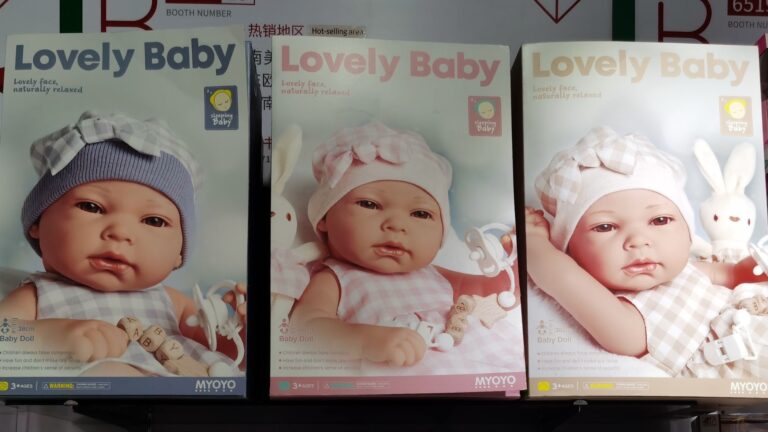
Sixty plastic props cost less than twelve moulded figures, even though the box looks the same. Hand work is the other cost: rooted hair and stitched costumes get cheaper with volume far more slowly than plastic does. Start with the pretend play guide, then the kids pretend play supply page for the wholesale route. Dolls are their own industry inside this function, and the tipos de muñecas page splits them by head and hair.
6. Game and Rule Function: Take Turns, Win, Solve
Board games, card games, puzzles, memory games. Low risk, low freight, and the widest age band of the seven.
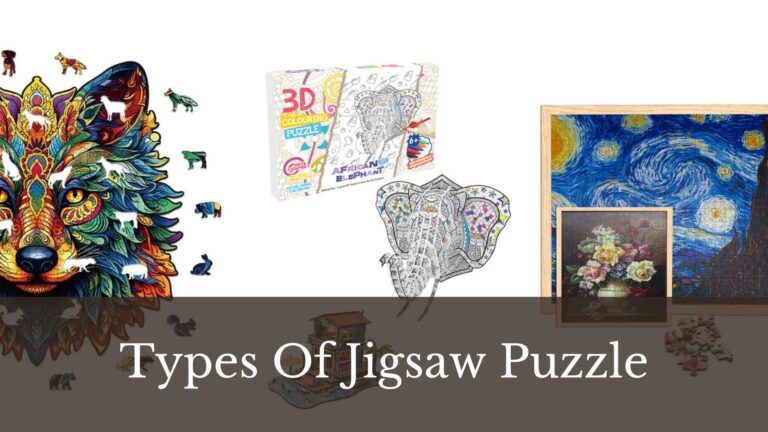
The cost sits in the print run and the component count. A game is priced by how many different parts are in the box, not by how big the box is. In the EU, a puzzle above 500 pieces stops being a toy at all, which cuts a whole test route out of your bill. The board games supplier page y el memory games page cover this group. For puzzles, the jigsaw puzzle types guide covers cut and board.
7. Learning and STEM Function
Science kits, coding robots, flash cards, phonics sets. This is the function with the best margin and the longest paperwork.
Two costs sit on top of the toy. Anything with a battery needs the electric toy standard on top of the toy standard. And the instruction book is not free: a 40-page manual in four languages can cost more per unit than the plastic. The STEM toy explainer draws the line on the four letters, and the types of educational toys page splits the group up. For the science end see the science toys page, and for early reading the phonics toys page.
Which Features Add a Whole New Certificate?
Seven functions of toys means seven chances to switch on a rule you did not budget for. This is the part most buyers only learn after a failed inspection. A feature is not a spec. It is a rule that switches on.
| Característica | What it switches on | The number that matters |
|---|---|---|
| Made to make sound | Sound pressure limits in EN 71-1 and ASTM F963 | 60–90 dB, by how the toy is used |
| Laser or strong light | Laser safety class | Class 1 in practice |
| Electric motor | Electric toy safety, EN IEC 62115 | Battery cover must hold |
| Replaceable battery | Battery access rules | Tool, or two hands at once |
| Coin or button battery | Child-resistant battery case | UL 4200A; toys follow the toy rule |
| Radio, Bluetooth, WiFi | Radio approval on top of toy safety | RED in the EU, FCC Part 15 in the US |
| Magnet | Magnet rules in EN 71-1 and ASTM F963 | Flux index under 50 kG²mm² |
| Water beads | Expanding material rules | A separate US rule since March 2026 |
| Tela | Flammability | Burn rate limit |
| Scent | Chemical limits | Banned fragrance list |
Sound Is the One Nobody Budgets For
BS EN 71-1 sets sound limits by how the toy is held. A toy made for the ear is capped at 60, 65 or 70 dB. A hand-held, table-top or floor toy is capped at 80, 85 or 90 dB. The peak limit is 110 dB for all of them. A toy with more than one sound mode can be tested under more than one clause.
Here is the part that costs money. A factory builds the speaker to sound good, not to measure well. The fix is a resistor or a quieter driver, and that is a tooling or a component change after the sample is made. Ask for the sound report with the sample, not with the shipment.
Batteries Turn a Toy into an Electric Product
Anything with a motor moves into EN IEC 62115 in the EU, and the electronic toys explainer covers how that changes the build. The single most common failure is the battery cover. It has to stay shut when pushed from any direction, and it has to need a tool or two hands at the same time to open.
Coin cells are the strictest version of this. Reese’s Law set up 16 CFR part 1263 for consumer goods, but a toy that meets the battery rules in the toy standard is exempt from part 1263. That sounds like good news. It is not, because the toy standard asks for the same thing: a case a child cannot open, plus warnings on the pack and in the manual. Batteries also change the shipping. Read the battery shipping guide before you book the truck.
Magnets: One Rule Fewer Than You Think
There is a widespread belief that magnet toys are banned in the US. They are not. 16 CFR part 1262, the magnet rule, exempts toys that fall under the toy standard. Toys are covered by the magnet clause inside ASTM F963 instead. Part 1262 catches the non-toy things: desk toys, magnetic jewellery, stress balls sold to adults.
What stays true either way is the threshold. A magnet small enough to fit the small parts cylinder and strong enough to pass a flux index of 50 kG²mm² is the one you cannot ship. If magnets are in your product, the toy certificate page shows which report covers which market. If you need a lab, most buyers start with the testing lab shortlist.
Radio Turns One Approval Into Two
A toy with a remote, a Bluetooth chip or a WiFi module needs radio approval on top of toy safety. In the EU that is the Radio Equipment Directive. In the US it is FCC Part 15. A factory holding only a toy report cannot ship you a compliant radio toy, however good that report looks.
This is the single biggest jump in the whole list, because it is a second industry with a second lab. The RC toys page covers the radio side, and the interactive toys explainer covers the sensor side.
How Does Function Set the Age Label?
The age label is not marketing. It is a legal statement, and it decides which tests run.
The chain works like this. The more complex the function, the older the child the toy suits. The older the label, the fewer the tests. A toy labelled under 36 months goes into the strictest route: every part has to clear the small parts cylinder, cords are capped, and the drop and pull tests run harder.
That creates a temptation. A factory will offer to move a label from 3+ to 6+ to save you test fees. Sometimes that is honest. Often it is just cheaper. A six-year-old’s construction set labelled 3+ is a real risk, and a three-year-old’s toy labelled 6+ to dodge a test is the reason shipments get pulled at the border.
The US Consumer Product Safety Commission publishes age guidance built on seven play categories and 21 subcategories. Labs work from it. So does Amazon. If your label and your function disagree, someone will notice, and it will not be you who decides.
El tipos de juguetes para bebés page shows how tight the under-three band really is, and the infant toy page covers what sells in it. For the marketplace side, the Amazon compliance page sets out what gets a listing pulled.
What Does a Multi-Function Toy Really Cost?
Functions stack on the shelf and stack on the bill, but not at the same rate.
Take a plain plush animal. It runs USD 1.50 to 4.00 and needs fabric and seam tests. Add a sound module and you are at USD 5 to 12, plus the sound test, plus the electric toy test, plus a battery case that has to be child-resistant. Add a motion sensor and a radio link and you have added radio approval as well.
This is where the functions of toys stop being a selling list and start being a budget. Three functions have roughly tripled your compliance work and less than tripled your selling price. That is the trade. Multi-function toys look like better value on a spec sheet and behave like worse value in a P&L, because the extra functions are the first things a customer complains about.
Lead time runs the same way. A single-function plastic toy takes 20 to 30 days once the sample is signed off. Add electronics and you are at 35 to 45 days, because the factory is waiting on chips, speakers and battery holders from a second supplier. Stock samples ship in 3 to 5 days. Custom samples take 7 to 12.
Two practical rules follow. Keep your first order to two physical features at most. And put the money into the one function the customer will actually talk about, instead of spreading it across five.
How Do You Pick a Function Mix for Your First Order?
Work backwards from your channel, not forwards from the catalogue.
| If this is you | Start with this function | Because |
|---|---|---|
| First order, small budget | Game and rule, or fine motor | Cheapest to test, smallest carton |
| Amazon or marketplace | Sensory, single function | Low return rate, easy to list |
| School or education channel | Construction | Widest age band, repeat purchase |
| Gift and souvenir shop | Pretend play, low component count | Looks rich, ships light |
| Hobby or collector base | STEM, with electronics | Highest ticket, longest paperwork |
| Shop with floor space | Gross motor | High ticket, one unit per carton |
Then run six checks before you send money.
1. Write down every physical feature, not the sales function. Light, sound, motor, magnet, battery, radio. 2. Ask the factory which report covers each one. A toy report does not cover a radio. The toy certification page lists what each market asks for. 3. Ask for the sound and battery reports with the sample. These are the two that fail late. 4. Check the age label against the function, not against the market you want. 5. Price the second order. A function that needs a new tool for a small change is a function you will pay for twice. The quotation checklist is the one we use for this. 6. Fix payment terms before the sample. Standard terms are 30% deposit and 70% against a copy of the bill of lading. Custom samples run USD 35 to 80, usually refundable against the order.
Paperwork is the last thing to line up. For the EU, the new Toy Safety Regulation (EU) 2025/2509 takes effect on 1 January 2026 and starts to apply from 1 August 2030, with a digital product passport for every toy. The packaging and import rules page tracks what that means for shipments out of China.
For the US, two things land on you as the importer. Certificate data has had to be filed electronically with customs since 8 July 2026 — the eFiling page has the detail — and the children’s product certificate still has to exist before anything ships. Both changes hit multi-function toys hardest, because they are the ones with the most data to file.
Preguntas frecuentes
What are the functions of toys?
Buyers work with seven: sensory, fine motor, gross motor, construction, pretend play, games and rules, and learning. Child development pages often use five. The split does not matter for SEO. It matters for your order, because each function pulls in a different test.
Do more functions mean more certificates?
Yes, but not one per function. A sound module and a motor share the electric toy test. A radio link adds a second approval that has nothing to do with toy safety. The jump in cost comes the moment you add radio or a lithium cell, not when you add a second light.
Which function has the lowest MOQ?
Pretend play and fine motor, at 300 to 500 pieces, because most parts come from open moulds. Construction sits at 1,000, because fit tolerance needs a dedicated tool.
Does a musical toy need its own test?
Yes. Sound pressure is tested in both EN 71-1 and ASTM F963. The limit depends on how the toy is held, and a toy made for the ear is held to the lowest number. Test the sample, not the production run.
Are magnetic toys banned in the United States?
No. The magnet rule at 16 CFR part 1262 exempts toys. Magnet toys follow the magnet clause inside ASTM F963 instead. What you cannot ship is a loose magnet that fits the small parts cylinder and passes a flux index of 50 kG²mm².
Does the age label really change the test?
It does. A label under 36 months puts the toy into the strictest route, with the small parts rule, shorter cord limits and harder drop tests. A label is a legal statement, so set it from the function and the child, never from the test bill.
Is one test report enough for a mixed shipment?
No. MOQ applies per SKU, but the report applies per product. A plush animal and a remote control car in the same container need two different routes. One inspection can cover the container, which is where you save money.
What changed for toy imports recently?
Two things. The EU adopted Toy Safety Regulation (EU) 2025/2509, in force from 1 January 2026 and applying from 1 August 2030, with a digital product passport. In the US, electronic filing of certificate data with customs became mandatory for most imports on 8 July 2026.
Does adding a function push back the delivery date?
Yes. A plain plastic toy runs 20 to 30 days after sample approval. A toy with a sound module or a motor runs 35 to 45 days, because the factory waits on chips, speakers and battery holders from a second supplier. Plan the launch around the slowest part, not the biggest one.
Which function fails most often in testing?
Sound and battery access, in our own inspection data. Both fail late, because both are usually checked at the sample stage and signed off by someone who only looked at the toy. Ask for those two reports first, every time.
Next Step
Tell us which functions you are looking at, and the quantity you have in mind. You get back the MOQ, the FOB price, the carton size, and the test route for each one, in a single sheet you can compare. Start a sourcing inquiry and we will come back within one business day.