¿Qué es una lonchera? Tipos, materiales y guía de abastecimiento B2B.
Do you know what makes a lunch box more than just a container for carrying food? Today, lunch boxes have many types, materials, and designs for different users and markets. This guide explains what a lunch box is, what it is made of, and what businesses should consider when choosing the right product.
#1 What Is a Lunch Box
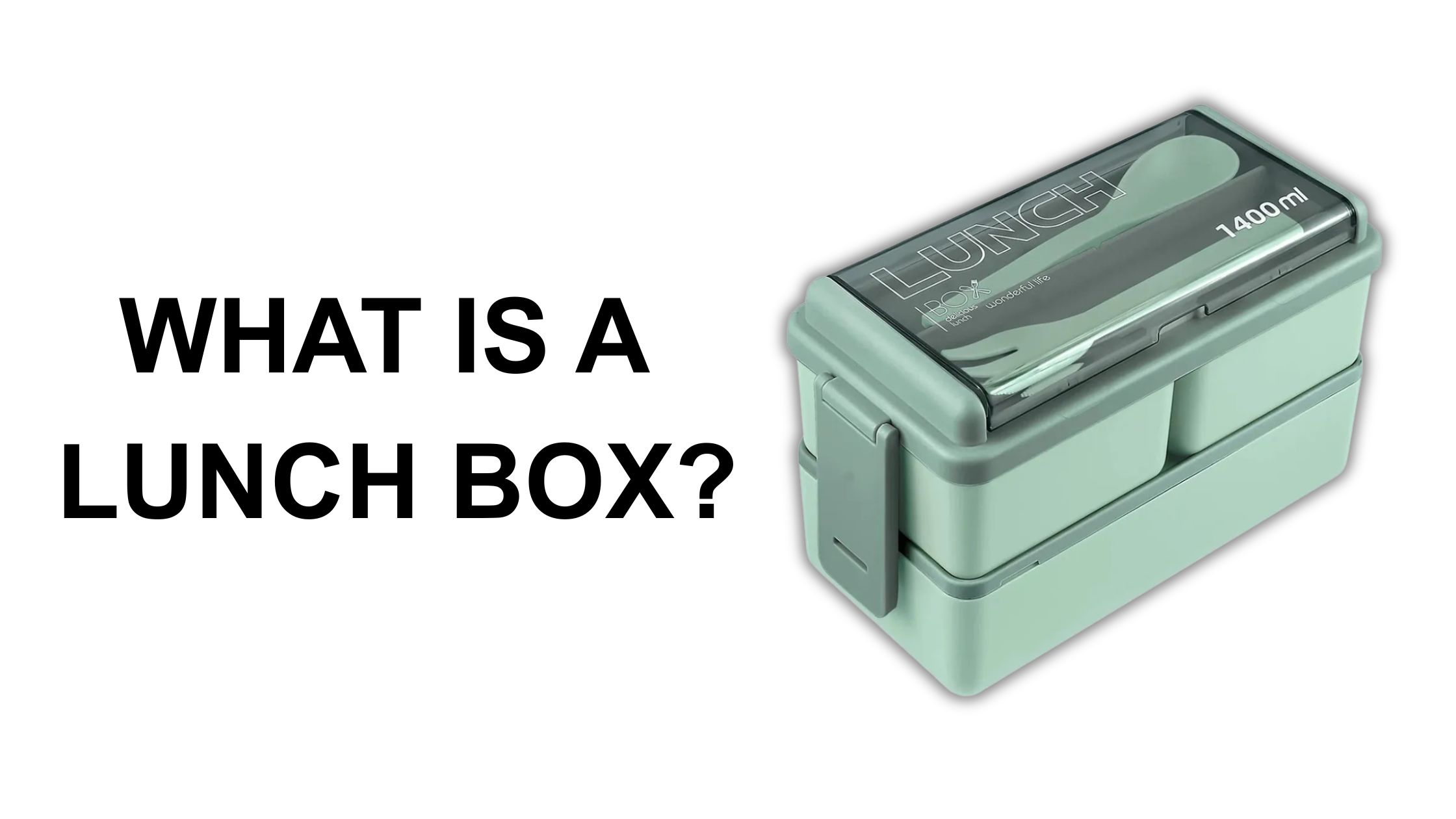
A lunch box is a small case or container used to carry food from home to school, work, or other places. It can hold food, snacks, and drinks. Traditional lunch boxes are usually simple containers with lids, while modern lunch boxes include multiple compartments, insulation, leak-resistant closures, and foldable structures.
Today, lunch boxes have developed into a wider product category with different designs, materials, and market applications. Understanding lunch box definition and meaning helps you identify suitable products for your target customers and sales channels.
#2 How Does a Lunch Box Work
Although lunch boxes come in different designs and materials, their main function is to store, organize, and protect food during transportation. For B2B buyers, a lunch box is more than a simple container. Its structure, materials, and features directly influence product quality, production costs, and market positioning.
Basic lunch boxes usually rely on container design, capacity, and sealing systems to improve user experience. Features such as multiple compartments and leak-resistant closures can make the product more practical and competitive. For insulated lunch boxes and soft lunch bags, the outer material, insulation layer, and inner lining work together to improve temperature retention and durability. However, higher specifications also increase costs and production complexity. Therefore, you should select the right structure based on your target market, price range, and application needs.
#3 Main Types of Lunch Boxes and Their Market Positioning
The lunch box market now includes a wide range of products designed for different customers and sales channels. For B2B buyers, selecting the right product type is more important than only focusing on price.
3.1 Plastic Lunch Boxes
Plastic lunch boxes are one of the most common types of disposable lunch boxes on the market. They are usually made from food-grade PP materials and are widely used in supermarkets, school supply channels, daily goods stores, and promotional product markets. Plastic lunch boxes have lower production costs, lightweight designs, a wide range of color options, and high production efficiency.
When sourcing plastic lunch boxes, you should not only focus on the lowest unit price. Material safety, sealing performance, and product durability also affect customer satisfaction.
3.2 Stainless Steel Lunch Boxes
Stainless steel lunch boxes are usually positioned in the mid-to-high-end market. Compared with plastic products, stainless steel boxes offer better durability, a longer service life, and a more premium look, making them popular among consumers who value quality and sustainability. These reusable lunch containers are often used by eco-friendly brands, lifestyle retailers, and customers looking for reusable daily products. Although stainless steel increases production costs, it can also help create a higher product value and support a higher selling price.
A stainless steel lunchbox is not suitable for every market. You should consider your target customers’ purchasing power before choosing this type of product, as higher material costs may affect the final retail price and sales performance.
3.3 Bento Lunch Boxes
Bento lunch boxes have gained increasing popularity in global markets in recent years. Compared with traditional lunch boxes, they usually have multiple compartments that allow users to separate different foods, such as rice, vegetables, fruits, and snacks. This design meets the growing demand for healthy eating and meal preparation. These reusable bento containers have strong potential in office meal preparation, lifestyle retail, and health-focused product categories.
The key advantage of bento lunch boxes is not only capacity but also whether the compartment design fits users’ daily habits. You should pay attention to factors such as easy cleaning, practical structure, and overall user experience.
3.4 Insulated Lunch Boxes
Insulated lunch boxes for hot food are designed for users who need to keep food warm for longer periods, such as office workers, outdoor workers, travelers, and commuters. They have insulation layers and thermal materials, which usually create higher product value. For brands and retailers, insulated lunch boxes can meet consumers’ needs for convenient food carrying and temperature control, making them have great potential for outdoor products, commuting products, and lifestyle goods markets.
When sourcing insulated lunch boxes, you need to balance insulation ability and cost. Thicker insulation materials can improve temperature retention but also increase product prices. The best choice depends on the target market rather than simply selecting the highest specifications.
#4 How Material Combinations Affect Lunch Box Positioning
Different material combinations can create different product values and market positions. Understanding how materials affect positioning can help buyers choose products that match their customers’ expectations and selling channels. A lunch box with basic materials may focus on affordability, while a product with upgraded materials and better structure can support a higher price range.
| Product Positioning | Material Combinations | Nivel de costo | Características principales | Suitable Markets |
| Rentable | Basic plastic materials | Bajo | Affordable, practical, easy for mass production | Supermarkets, schools, promotional products |
| Mid-range | Improved plastics, stainless steel parts, upgraded designs | Medio | Better quality, more functions, balanced value | Online stores, household goods retailers |
| Premium | Stainless steel, advanced insulation structures, premium packaging | Alto | Durable, high-end appearance, stronger brand value | Lifestyle brands, premium retail markets |
4.1 Cost-effective Lunch Boxes
Cost-effective lunch boxes are mainly designed for mass markets where price and basic functions are the most important factors. These products usually use simple structures and cost-efficient materials to keep production costs under control. They are commonly used in supermarkets, school supply markets, promotional products, and large-volume retail orders.
For this market, buyers usually focus on stable quality, competitive pricing, and production efficiency. Adding too many expensive features may increase the final selling price without creating enough value for customers. A practical design with safe materials and reliable performance is often more suitable for price-sensitive markets.
4.2 Mid-range Lunch Boxes
Mid-range lunch boxes focus on balancing product quality, customer experience, and reasonable pricing. Compared with basic models, they often include improved materials, better structures, and additional features such as multiple compartments, stronger sealing systems, or upgraded packaging. These products are commonly used in supermarkets, online stores, and daily household product channels because they can meet the needs of a wider customer group.
For buyers, mid-range products often provide better flexibility between cost and selling price. The goal is not to add as many features as possible, but to choose improvements that customers can clearly recognize. Better materials, practical designs, and easier cleaning features can increase product value while keeping costs under control.
4.3 Premium Lunch Boxes
Premium lunch boxes are designed for customers who care about durability, appearance, and long-term use. These products may use stainless steel structures, advanced insulation designs, higher-quality inner materials, or more refined packaging to create a stronger brand image. They are often suitable for lifestyle brands, eco-friendly product lines, and higher-end retail markets.
Premium products should be selected based on market demand rather than simply choosing the most expensive materials. Higher costs only make sense when customers are willing to pay for the added value. A successful premium lunch box should combine quality, design, and brand positioning to support a higher selling price.
#5 How to Choose the Right Lunch Box for Your Market
Choosing the right lunch box requires more than comparing prices. When sourcing lunch boxes, buyers should focus on products that match their target customers, selling channels, and market positioning.
When selecting a lunch box, you should first consider the application scenarios and customer needs. Different markets have different expectations. Students may prefer lightweight and affordable designs, while office users may focus more on appearance and convenience. Outdoor users may require stronger durability and better insulation. Understanding these differences helps you choose products with better sales potential.
Cost, quality, and supplier reliability are also important factors during sourcing. A lower purchase price may reduce initial costs, but unstable quality can lead to customer complaints and additional expenses. At the same time, a reliable supplier should provide stable production, consistent quality, and customization support. By balancing product requirements, budget, and supplier capabilities, you can develop a lunch box product line that fits your market.
Preguntas frecuentes
- What factors affect the cost of a lunch box?
The cost of a lunch box depends on materials, structure design, production process, order quantity, and customization requirements. Products with higher-quality materials, better sealing systems, or more complex designs usually have higher costs. For B2B buyers, the best choice is to balance product quality, target price, and market demand.
- What are the most popular lunch box types for different markets?
Different lunch box types suit different customer groups and sales channels. Plastic lunch boxes are often used for mass retail due to their cost advantage, while stainless steel and insulated lunch boxes are more suitable for premium or specialized markets. Bento boxes and soft lunch bags are popular choices for customers who value convenience and lifestyle design.
- What should buyers consider when choosing lunch box materials?
The right material depends on the product positioning and target customers. Plastic materials are suitable for cost-effective products, stainless steel works well for durable premium products, and insulated structures are ideal for temperature-sensitive applications. You have to consider safety, durability, cost, and customer expectations together.
- Are customized lunch boxes a good option for brands?
Customized lunch boxes can help brands create product differentiation through colors, logos, packaging, and special designs. However, customization may increase production costs and require higher order quantities. You need to focus on customization options that improve customer value and match your brand positioning.
- What problems should buyers avoid when sourcing lunch boxes?
Buyers should avoid focusing only on low prices, as lower costs may sometimes come from reduced material quality or unstable production. Evaluating samples, supplier experience, and quality control processes before bulk orders can help reduce sourcing risks.
Conclusión
A lunch box may look like a simple food container, but from a B2B sourcing perspective, it is a product shaped by design, materials, functions, and market needs. Understanding the lunch box definition and meaning helps B2B buyers evaluate products more effectively and choose solutions that match their business goals.
En Tonysourcing, we help brands, retailers, and wholesalers develop customized lunch box solutions with professional sourcing support, from product selection and customization to reliable bulk production.