Marcas de bolsas térmicas: um guia completo de fornecimento B2B
#1 Introduction
There are hundreds of cooler bag brands on the market, but not every brand fits your product goals. You can’t determine the right direction for your business by comparing prices or products. Understanding each leading brand’s market position, product strengths, and pricing strategy will help you find the right direction for your own brand.
#2 Why Should B2B Buyers Study Global Cooler Bag Brands?Brands?
Different cooler bag brands focus on different target markets. Some target premium outdoor professionals, while others focus on everyday commuters or budget-conscious retail shoppers.
By analyzing these global brands, B2B buyers, Amazon sellers, and wholesalers can:
- Find the right balance between product performance and manufacturing cost.
- Identify current market trends and design preferences.
- Define their own brand’s market positioning.
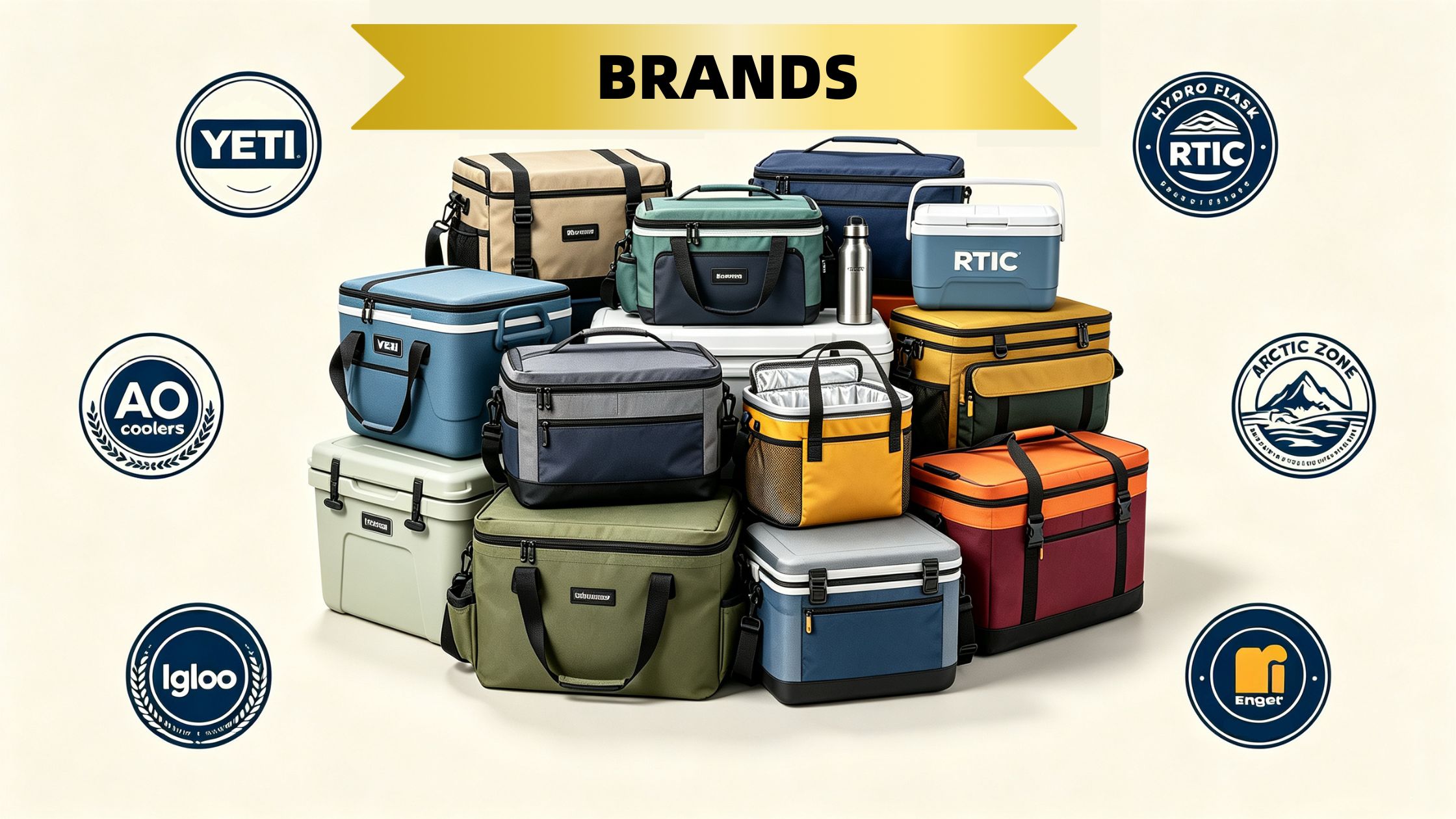
#3 Analysis of Top Global Cooler Bag Brands
#3.1 YETI
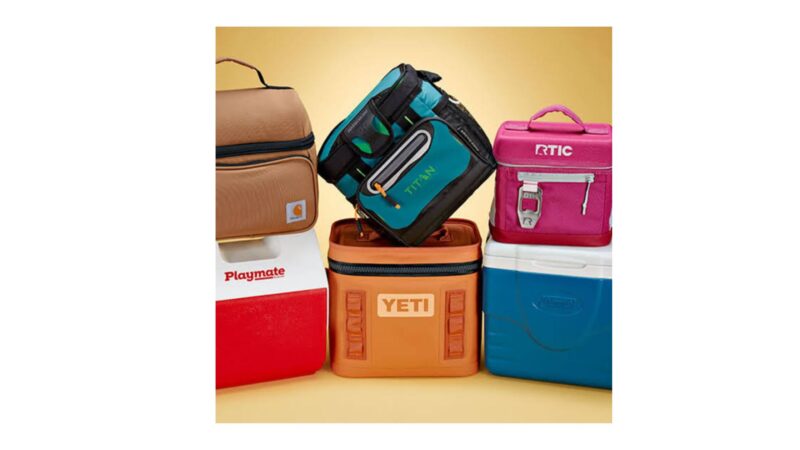
YETI is one of the best-known premium cooler bag brands in the outdoor market. The brand primarily serves campers, anglers, hunters, and outdoor enthusiasts. Its Hopper series has become one of the best-known soft cooler collections in the outdoor market and is often used as a standard for premium cooler bags.
YETI’s success comes from its strong premium brand positioning. Instead of competing on price, the brand focuses on product durability, reliability, and long-term use. YETI designs its products to be suitable for demanding outdoor conditions, which helps build strong customer trust.
If you are targeting the premium outdoor cooler market, YETI is a useful example. It shows how product quality and brand positioning can support higher prices.
#3.2 Hydro Flask
Originally known for its insulated drink cooler, Hydro Flask has gradually expanded into the soft cooler market. Today, its target consumers are people looking for stylish and portable coolers for outdoor activities and everyday cooler use. The brand’s famous products are the Day Escape Tote and Carry Out Soft Cooler.
The biggest advantage of Hydro Flask is that it combines cooling capacity and outer design. Hydro Flask always focuses on lightweight design, portability, and user experience, making it especially popular among younger consumers. Its lifetime warranty also helps strengthen customer trust.
If you want to develop cooler bags for lifestyle and everyday cooler use, Hydro Flask offers a useful reference. It shows that appearance and portability can also influence product choices, especially in the lifestyle market.
#3.3 RTIC
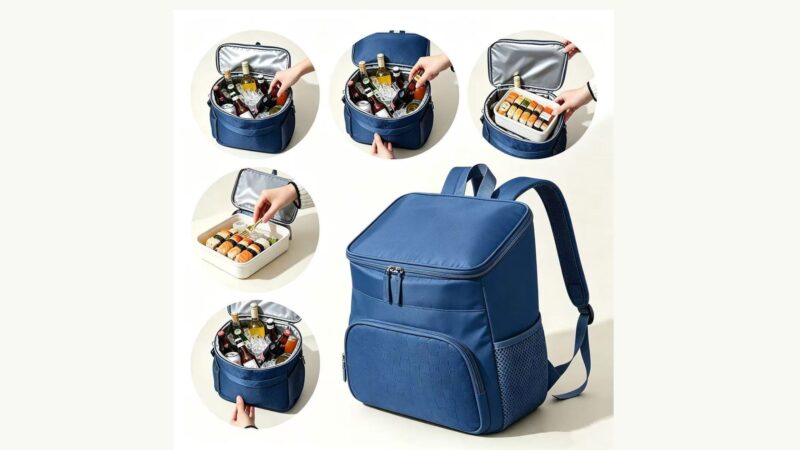
RTIC, which has grown fast in recent years, is an outdoor brand in the U.S. The brand mainly targets customers like campers, families, and outdoor users. RTIC’s market position is between the mass market and the premium market. Its popular products, such as the Soft Pack Cooler and Everyday Cooler, have helped RTIC gain popularity due to their cost-effectiveness.
RTIC is often compared with YETI, but the two brands have different market strategies. Rather than building a high-end brand image, RTIC emphasizes “offering strong product value at a more accessible price”. This strategy allows RTIC to reach a wider range of customers.
If you are looking for a balance between quality and price, RTIC is a useful reference. The brand shows how reliable products and competitive pricing can help attract a wider customer base.
#3.4 AO Coolers
AO Coolers is one of the earliest U.S. brands to specialize in soft coolers, with decades of experience. The brand mainly focuses on outdoor users who are looking for reliable cooling performance. Its Canvas and Expedition Series remain popular among consumers in the North American market.
Instead of expanding into multiple outdoor categories, AO Coolers has remained focused on its core product category—soft coolers. This specialization has helped the brand develop a strong reputation for reliability and performance. The brand focuses on long-lasting cooling, durability, and practical product design. Although it does not have the same brand recognition as YETI, it has built a strong reputation among professional outdoor users.
If you plan to focus on a specific cooler bag category, AO Coolers offers a useful example of how specialization can help build a strong market position.
#3.5 Engel
Engel is a well-known outdoor cooler brand in the U.S. Originally recognized for portable refrigeration equipment, the company later gradually expanded into soft cooler bags. With years of experience serving the marine and professional outdoor markets, Engel mainly targets boat owners and outdoor users who need reliable cooling performance in demanding environments. Its HD Series soft coolers are among the brand’s most representative products.
Engel’s biggest competitive advantages are its expertise and reliability. Engel focuses on users who need reliable coolers for demanding outdoor conditions. Waterproof protection and durability are especially important in these environments. Its heavy-duty materials and reliable insulation have helped it earn trust among outdoor users.
If your target market includes fishing, boating, or professional outdoor users, Engel offers a useful example of focused market positioning. By focusing on demanding outdoor environments, the brand has built strong customer trust and developed a clear identity within the cooler industry.
#3.6 Arctic Zone
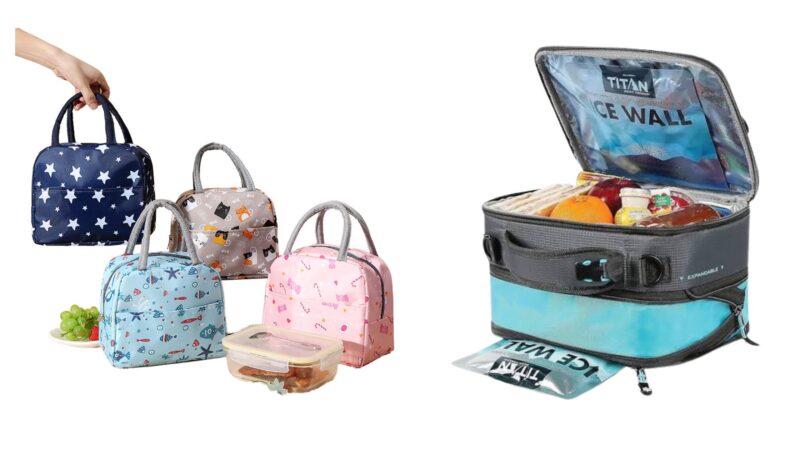
Arctic Zone is a popular mass-market cooler brand in the United States, mainly targeting families, office commuters, and everyday outdoor users. Compared with premium brands like YETI, Arctic Zone focuses more on practicality and affordability. Its Titan series is one of the brand’s most representative product lines and has gained strong recognition in the retail market.
Arctic Zone’s core advantage is that it combines practical designs with affordable prices. Instead of emphasizing extreme outdoor performance, the brand pays more attention to practical needs in daily use, such as easy carrying, quick access, and convenient cleaning. These features have helped Arctic Zone build a strong position in the mass market.
If you are entering the mass retail market, Arctic Zone can be a good example. Its success comes from offering practical designs, affordable prices, and convenient features that match the needs of everyday consumers and family users.
#3.7 Igloo
Founded in 1947, Igloo has a long history in the cooler industry. Instead of focusing on a specific market, the brand offers a wider range of products, including hard coolers, soft coolers, lunch bags, and drinkware. With strong brand recognition and extensive market experience, Igloo targets families, outdoor enthusiasts, and reaches major retail channels.
Igloo’s biggest advantage is its ability to cover wide consumer groups. Instead of targeting only premium consumers, the brand meets different customer needs through various price ranges and product categories. This strategy has helped Igloo enter the major retail markets and remain strong market recognition. Also, its long history has strengthened consumer trust in product quality.
If you want to develop multiple product lines, Igloo is a valuable example to learn from. With a wide range of cooler products and price levels, the brand shows how product diversity can help reach different customer groups and build long-term market presence.
#3.8 Carhartt
Carhartt is globally recognized as a workwear brand, but its cooler bags and lunch coolers have also gained popularity among workers and commuters. Its popular products, such as Deluxe Lunch Cooler, reflect the brand’s focus on durability, practicality, and everyday functionality.
Carhartt’s biggest advantage comes from its brand extension capability. Consumers do not choose Carhartt products only for their insulation. They also trust the brand for its durability, reliability, and practicality. Carhartt’s strong reputation in workwear also supports its cooler bag business.
If you already have a brand with strong customer recognition, Carhartt shows how to expand into new categories. Carhartt has built strong trust through its workwear products. This trust also helps its cooler bags attract consumers.
#3.9 Cooler Bag Brands Comparison
| Brand | Positioning | Target Customers | Price Level | Key Advantage |
| YETI | Premium Outdoor | Outdoor enthusiasts | Premium | Brand reputation & durability |
| Hydro Flask | Lifestyle Outdoor | Outdoor Travelers & young consumers | Premium | Design & portability |
| RTIC | Value Outdoor | Families & campers | Mid-range | Preços competitivos |
| AO Coolers | Soft Cooler Specialist | Outdoor users | Mid-range | Product expertise |
| Engel | Professional Outdoor | Anglers & boat owners | Premium | Reliability & performance |
| Arctic Zone | Mass Market | Everyday users | Affordable | Practical design |
| Igloo | General Consumer | Families & Outdoor users | Affordable | Wide product range |
| Carhartt | Work & Lifestyle | Workers & commuters | Mid-range | Strong brand image |
#4 What Buyers Can Learn From These Cooler Bag Brands
Although these brands target different markets, they still have some common factors behind their success.
First, successful brands usually have a clear target customer group. For example, YETI focuses on the premium outdoor market, RTIC emphasizes competitive pricing, and Hydro Flask targets the lifestyle market.
Second, these brands do not compete only through product features. Instead, they build long-term competitiveness through market positioning, product design, sales channels, and brand image. For you, product selection is not only about materials and costs. It is also about understanding the target customers and finding a clear market position.
If you plan to develop your own cooler bag brand, these established brands can provide useful references for positioning, such as premium outdoor products, everyday commuter bags, specialized markets, or mass retail products. Instead of trying to serve every type of consumer, it is usually more effective to focus on a specific target market and build a clear brand positioning.
#5 Conclusion
Understanding leading cooler bag brands can help you better identify market trends and product directions. Different brands succeed through different market strategies. Some build their advantage through premium positioning, some compete through affordable pricing, while others focus on specific markets. For you, analyzing these famous cooler bag brands can provide useful insights for product selection, market positioning, and building your own cooler bag brand.
Perguntas frequentes
1. What should I consider when choosing a cooler bag brand for my business?
When choosing a cooler bag brand for your business, you have to consider more than product quality. Factors such as target market, price positioning, product demand, custom soft coolers options, and supplier capability are also important.
2. How can I build my own cooler bag brand?
First, understand your target customers, market positioning, and expected price range. You need to decide whether your products will focus on premium outdoor use, daily commuting, promotional gifts, or other specific markets.
Next, find a reliable cooler bag manufacturer that can use for custom soft coolers, including materials, colors, designs, logos, and packaging. By combining market research with professional manufacturing support, you can create your own cooler bag brand that matches customer needs.
3. What cooler bag features are important for building a successful brand?
The most important features depend on your target market. Premium outdoor customers may value durability and good quality, while office users may prefer lightweight designs and easy carrying. Understanding customer needs is more important than simply adding features to your products.
4. How can I find a reliable cooler bag manufacturer?
A reliable cooler bag manufacturer should have experience in cooler bag production, stable quality control, customization capability, and knowledge of international market requirements. You should evaluate factors such as materials, production process, certifications, MOQ, and communication ability before placing orders.
5. What types of businesses can benefit from custom soft coolers?
Custom cooler bags can benefit a wide range of businesses, such as outdoor brands, food delivery, promotional product suppliers, retailers, and e-commerce sellers. By customizing materials, designs, and branding elements, you can create products that match your specific customer groups and sales channels.