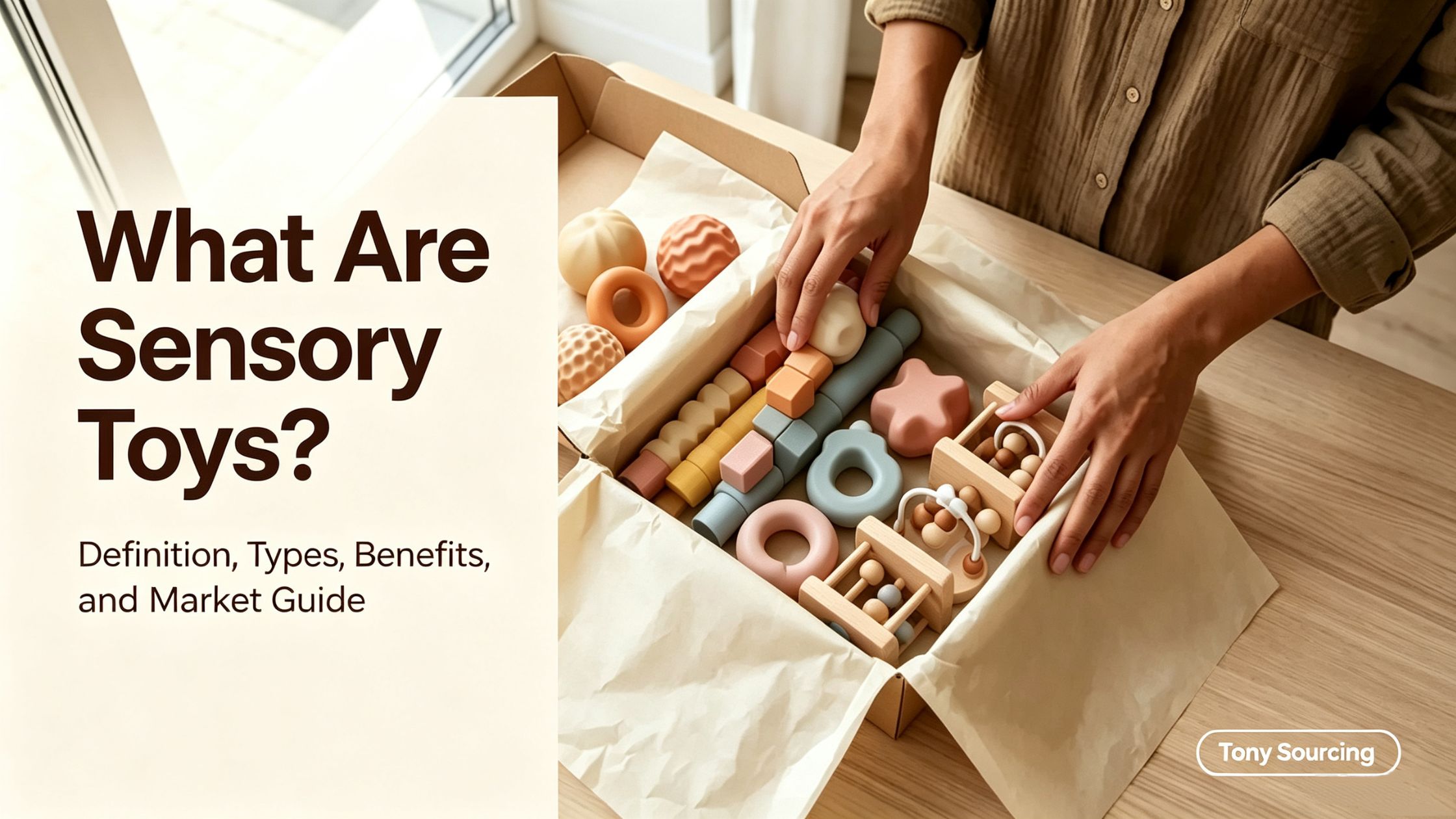
Was sind sensorische Spielzeuge? – Definition, Arten, Vorteile und Marktübersicht
Do you know how to choose the right sensory toys for your market? With countless options ranging from fidget sensory toys to multi-sensory activity products, you need to understand their differences in function, design, and value. This guide explains the key categories, components, and sourcing considerations to help you build a stronger sensory toy selection.
#1 What Are Sensory Toys?
Sensory toys are products designed to stimulate one or more senses through physical interaction. Unlike traditional toys that mainly focus on entertainment, sensory toys are designed around specific sensory interactions, including tactile feedback, visual stimulation, sound response, and movement-based experiences.
Common sensory stimulation includes touch, sight, sound, and movement. Different designs create different sensory experiences, from soft textures and squeezing actions to visual effects and interactive sounds.
Today, sensory toys are widely used in homes, classrooms, and specialty markets. They are available in various forms, including simple fidget toys, educational activity products, and multi-sensory designs.
#2 Market Potential of Sensory Toys
Sensory toys are becoming an important category in the toy market because they combine play value with sensory experiences. For B2B buyers, sensory toys offer several advantages compared with traditional toys:
- Wachsende Marktnachfrage
Sensory toys are increasingly popular among parents, educators, and retailers because they encourage children to have hands-on exploration and interactive play experiences.
- Wide Customer Coverage
From simple fidget toys to educational sensory products, this category serves different age groups and customer needs, allowing buyers to reach multiple market segments.
- Flexible Product Positioning
Sensory toys cover a wide range of price levels. Affordable products can support high-volume sales, while premium sensory kits and multi-sensory products can target specialty and higher-end markets.
- Strong Customization Potential
Different materials, textures, colors, shapes, and functions allow buyers to create differentiated products and develop unique sensory toy collections.
#3 Types of Sensory Toys
Sensory toys can be classified based on the type of sensory stimulation they provide. Different categories have different materials, production requirements, and market applications.
3.1 Tactile Sensory Toys
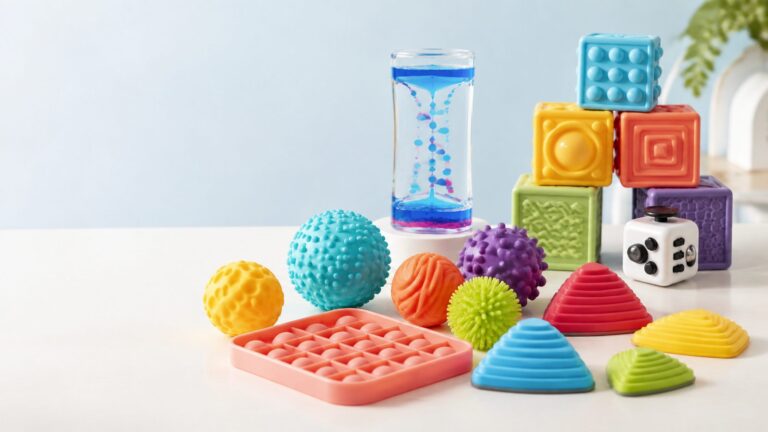
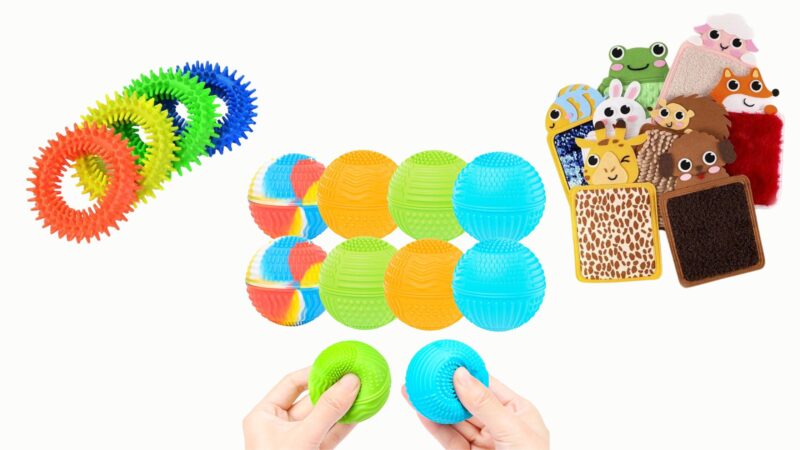
Tactile sensory toys focus on touch-based stimulation through varied textures, materials, and resistance levels. They are among the most popular sensory toys because they have broad market appeal and flexible customization options.
Common examples include:
- Fidget sensory toys
- Pop-It toys
- Squishy-Spielzeug
- Slime products
- Textured balls
- Sensory mats
For buyers, tactile toys are often suitable entry-level products because they usually have simple structures, lower production complexity, and flexible customization options. Their small size and lightweight design also make them easier to store, ship, and sell through both retail and online channels.
3.2 Visual Sensory Toys
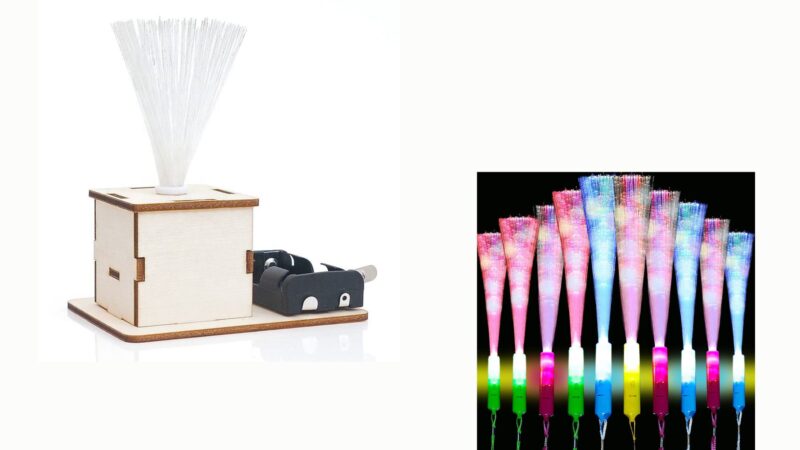
Visual sensory toys attract attention through colors, movement, light effects, and patterns.
Common examples include:
- Liquid motion timers
- Sensory bottles
- Light-up toys
- Color-changing products
For buyers, visual sensory toys can be attractive options for retail and online channels because their colors, movement effects, and transparent designs dürfen help products stand out in displays and product listings.
Compared with simple tactile toys, visual products may involve additional design elements such as liquid components, lighting parts, or special packaging, which can influence production costs and quality control requirements.
3.3 Auditory Sensory Toys
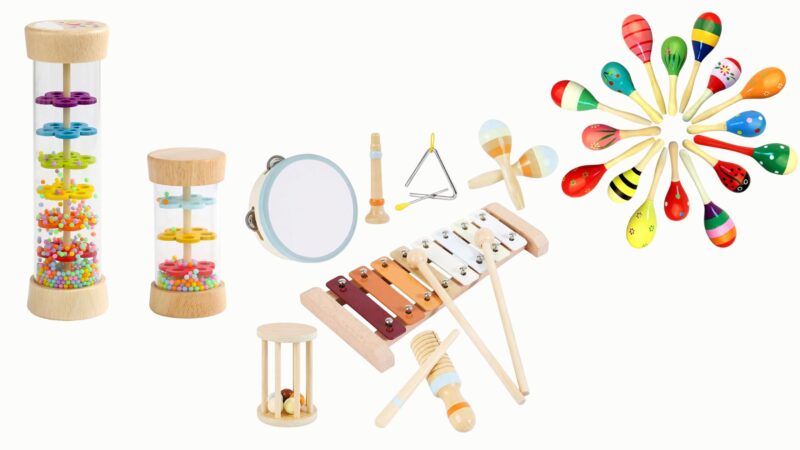
Auditory sensory toys can increase interaction through sound feedback, but their production usually requires additional components compared with non-electronic sensory toys.
Common examples include:
- Musical sensory toys
- Rain sticks
- Sound-making toys
- Interactive audio products
For buyers, auditory sensory toys should be evaluated based on sound quality, volume control, component reliability, and safety requirements. Products with sound modules or electronic functions may offer stronger differentiation, but they may also require higher quality control standards and more complex production processes.
3.4 Proprioceptive and Movement Sensory Toys
These sensory toys focus on body movement, pressure, balance, and physical awareness. Unlike small handheld sensory toys, proprioceptive and movement sensory toys often require stronger materials, larger structures, and higher durability standards.
Common examples include:
- Balance boards
- Weighted products
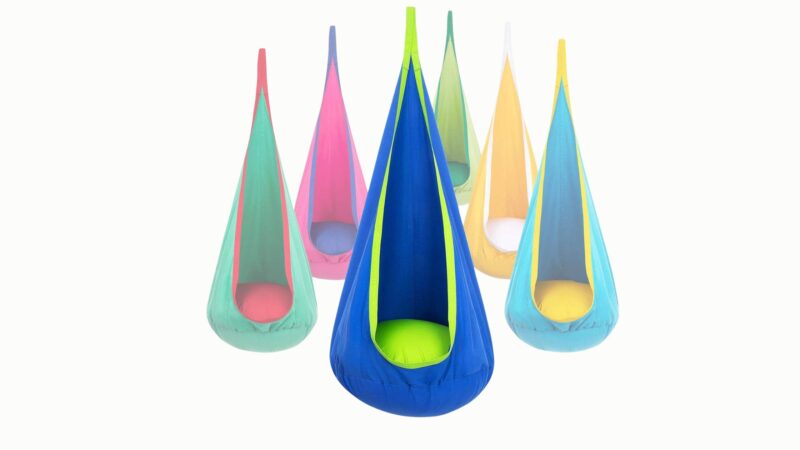
- Sensory swings
- Resistance toys
For buyers, movement sensory toys may involve different considerations in manufacturing, packaging, and transportation due to their size and weight. They are commonly supplied to educational institutions, specialty retailers, and professional buyers who require products with specific functions and higher durability.
3.5 Multi-Sensory Toys
Multi-sensory toys combine several types of stimulation, such as touch, light, sound, and movement. They involve more components, more complex structures, and higher production requirements.
Examples include:
- Electronic sensory toys
- Interactive sensory kits
- Light and sound activity products
Additional elements such as electronic parts, moving mechanisms, or multiple interaction features may increase manufacturing complexity and quality control requirements.
For buyers, multi-sensory toys can provide stronger product differentiation and support higher-value positioning. However, they also require closer evaluation of component reliability, safety testing, production capability, and long-term supplier support.
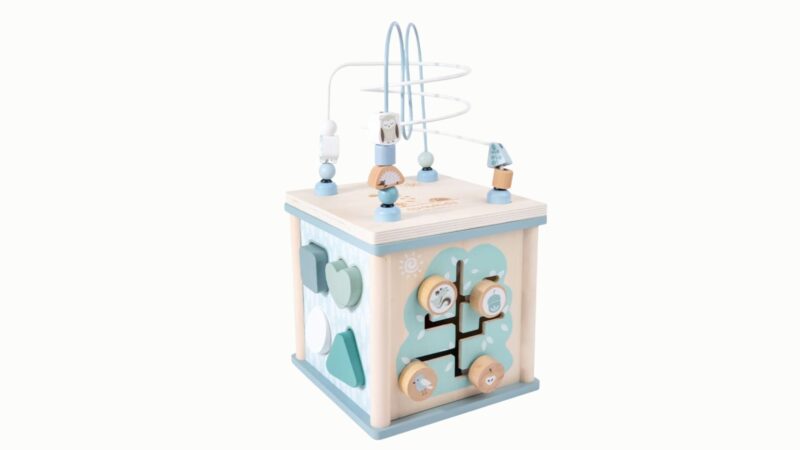
#4 Parts of Sensory Toys
Understanding the main components of sensory toys helps you evaluate product quality, cost structure, and customization opportunities.
4.1 Sensory Materials
The materials used in sensory toys affect product safety, sensory experience, durability, and sourcing considerations.
| Material | Common Applications | Buyer Considerations | Sourcing Impact |
| Silicone | Pop-Its, chew toys, soft sensory products | Soft, flexible, durable | High cost, premium positioning |
| TPR | Squeeze toys, flexible products | Flexible and cost-efficient | Suitable for mass production |
| ABS-Kunststoff | Fidget toys, structural parts | Strong and versatile | Lower cost, easy for large-volume orders |
| Holz | Busy boards, educational toys | Natural and durable | Higher weight, more shipping consideration |
| Stoff | Weighted products, soft sensory tools | Comfortable and lightweight | Easy transportation, quality control needed |
For buyers, material selection should balance product function, safety requirements, cost considerations, and target market positioning.
4.2 Sensory Features and Functional Components
Sensory features and functional components affect product cost, production complexity, and quality requirements. Different designs may require different materials, components, and manufacturing processes.
Common features include textured surfaces, squeezing functions, movable parts, LED lights, and sound modules. These elements can improve product differentiation, aber möglicherweise auch steigende Materialkosten, Montageanforderungen und Qualitätskontrollanforderungen.
Für Käufer ist das Verständnis dieser Komponenten hilfreich. Vor der Beschaffung sollten Produktwert, Produktionsaufwand und potenzielle Risiken bewertet werden..
#5 Sensory Toys for Different Markets
Sensorisches Spielzeug kann je nach Produktdesign, Preisklasse und Anwendungsbereich unterschiedliche Kundengruppen ansprechen. Das Verständnis der Marktunterschiede hilft Ihnen bei der Auswahl von Produkten, die zu Ihren Vertriebskanälen und Zielkunden passen.
Retail Market
Einfache sensorische Spielzeuge wie Fidget-Toys, Quetschspielzeuge und kleine taktile Produkte eignen sich für den Massenmarkt und Online-Marktplätze.. Their erschwingliche Preise und breite Zielgruppe Mach sie effektive Einstiegsprodukte.
Educational Market
Bildungsanbieter und Schulen suchen häufig nach sensorischen Produkten für Kleinkinder und Vorschulkinder, die Spielen mit Lernen verbinden. Sensorische Sets, Aktivitätstafeln und Entwicklungsspielzeuge werden häufig verwendet, weil sie strukturierte Aktivitäten und längere Beschäftigung ermöglichen.
Specialty and Professional Market
Spezialisiertere Produkte, wie beispielsweise sensorisches Spielzeug für Autismus und bewegungsbasiertes Spielzeug, richten sich an professionelle Anwender und Institutionen.. Diese Produkte sind üblicherweise Sie erfordern stärkere Materialien, höhere Qualitätsstandards und spezifischere Konstruktionen.
Häufig gestellte Fragen
Are sensory toys only suitable for children with special needs?
No. While sensory toys are often used in special education environments, they are also popular among general children’s markets because they encourage exploration and interactive play.
How can buyers choose the right sensory toys for their businesses?
Für den Massenmarkt eignen sich einfache und preisgünstige Produkte wie Fidget- und Quetschspielzeuge aufgrund ihrer breiten Kundenbasis und einfachen Verständlichkeit oft gut. Für Bildungs- oder Spezialmärkte bieten sich Sinnessets, Aktivitätsspielzeuge und multisensorische Produkte mit höherem wahrgenommenen Wert an.
Can sensory toys be customized?
Ja. Viele sensorische Spielzeuge lassen sich durch Material, Farben, Formen, Verpackung, Produktkombinationen und thematische Designs individuell gestalten. Diese Individualisierung hilft Marken und Händlern, differenzierte Produkte für spezifische Kundengruppen zu entwickeln.
What should buyers consider when sourcing sensory toys?
Käufer sollten Produktsicherheit, Materialqualität, Langlebigkeit, Individualisierungsmöglichkeiten und die Leistungsfähigkeit des Lieferanten prüfen. Da sensorisches Spielzeug häufig wiederholte physische Interaktion erfordert, sind gleichbleibende Qualität und zuverlässige Produktion wichtige Faktoren für die langfristige Geschäftsentwicklung.
Abschließender Gedanke
Sensorisches Spielzeug bietet Unternehmen, die ihr Produktsortiment durch differenzierte Produkte erweitern und eine breitere Marktabdeckung erreichen möchten, vielfältige Möglichkeiten. Durch das Verständnis verschiedener sensorischer Kategorien, Produkteigenschaften und Marktanwendungen können Sie die passenden Produkte für Ihre Kunden auswählen.
Als erfahrener Partner für die Beschaffung von Spielzeug unterstützt TonySourcing Marken und Einzelhändler bei der Entwicklung maßgeschneiderter sensorischer Spielzeugkollektionen – von der Produktauswahl und -anpassung bis hin zur zuverlässigen Unterstützung in der Fertigung.