Was ist eine Kühltasche? Ein vollständiger Leitfaden zu Materialien und Bezugsquellen
Kühltaschen sind weit verbreitet – etwa für Lebensmittellieferungen, Outdoor-Aktivitäten, Lebensmitteleinkäufe und als Werbeartikel. Falls Sie sich mit diesem Thema noch nicht auskennen, erklärt Ihnen dieser Leitfaden die grundlegende Struktur, gängige Materialien und Anwendungsbereiche von Kühltaschen, um Ihnen ein besseres Verständnis dieser Produktkategorie zu ermöglichen.
#1 Was ist ein Kühler? Tasche?
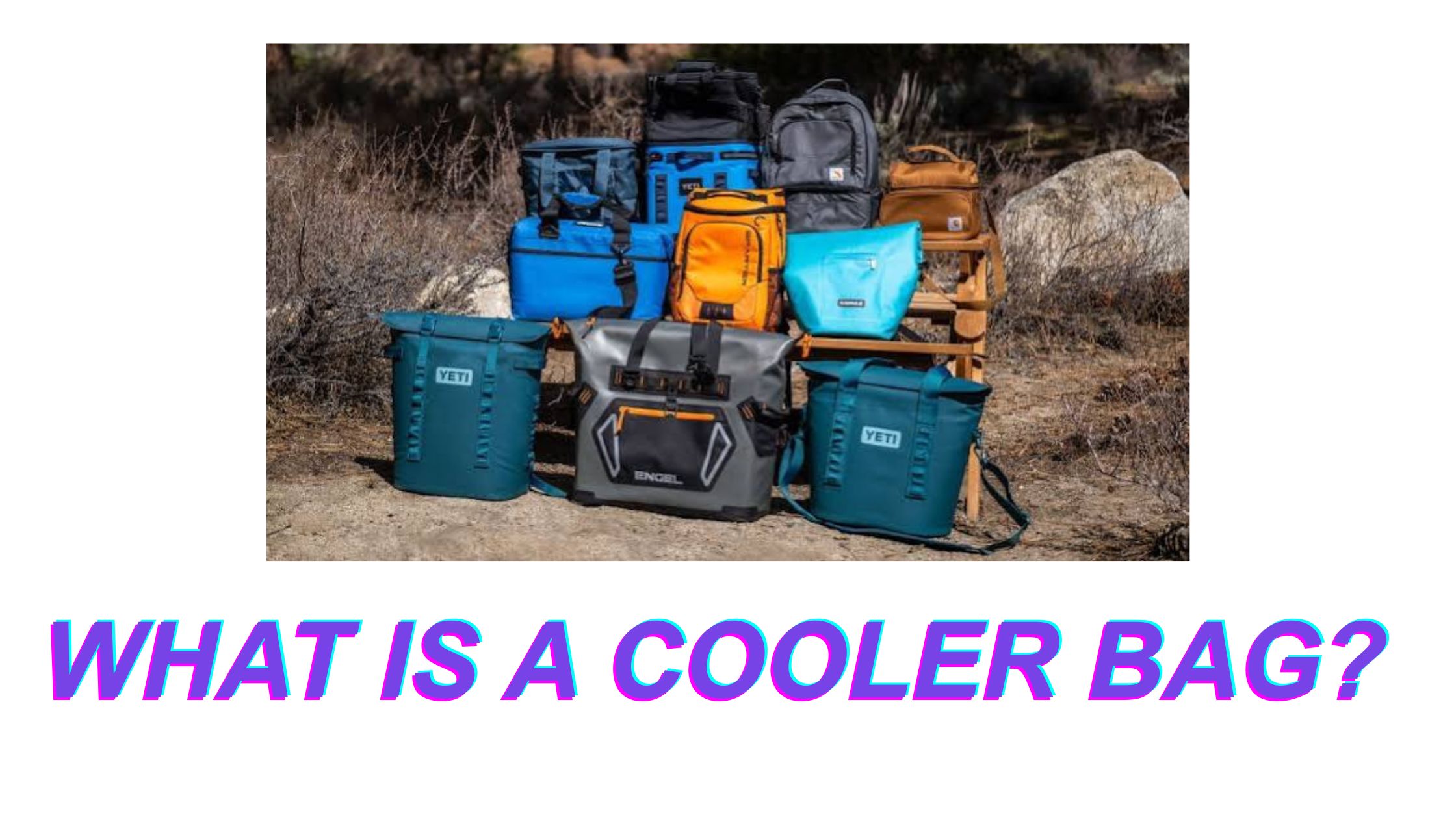
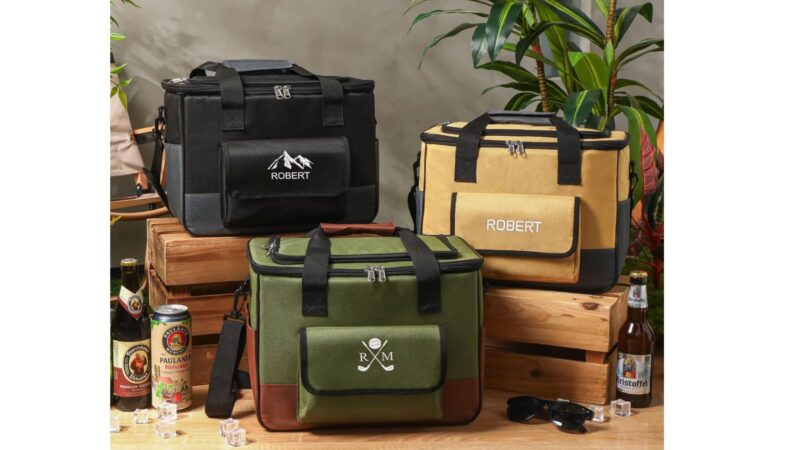
Kühltaschen, auch Soft-Kühltaschen genannt, sind weiche, isolierte Taschen, die mithilfe von Isoliermaterialien den Wärmeaustausch verlangsamen und so die Temperatur von Lebensmitteln, Getränken oder anderen temperaturempfindlichen Gegenständen halten. Im Vergleich zu Hartboxen, Kühltaschen sind leichter, einfacher zu transportieren und verursachen geringere Lagerkosten, was sie zu einer praktischen Wahl für den Groß- und Einzelhandel mit hohem Warenaufkommen macht. Sie werden häufig für die Lieferung von Speisen, Outdoor-Aktivitäten, Werbegeschenke und individuell gestaltete isolierte Kühltaschen verwendet.
#2 Wie funktioniert es?
Eine Kühltasche hält ihre Temperatur dank ihrer drei Hauptschichten aufrecht: Außenhülle, Isolierschaum und Innenfutter. Isoliermaterialien verlangsamen den Wärmeaustausch zwischen der Außenumgebung und dem Inneren der Tasche, und die Kühleinsätze verbessern den Auslaufschutz und erleichtern die Reinigung. Unterschiedliche Materialien, Stärken und Konstruktionsdesigns beeinflussen Qualität und Preis von Kühltaschen. Für Käufer ist das Verständnis dieser Struktur hilfreich, um die Produktqualität, die Herstellungskosten und die geeignete Marktpositionierung vor der Bestellung von Großbestellungen zu beurteilen.
#3 Die drei wichtigsten Schichten einer Kühltasche
Die Materialstruktur einer Kühltasche beeinflusst direkt Produktionskosten, Produktqualität, Versandeffizienz und Marktpositionierung. Für Käufer ist es hilfreich, die Außenhülle, den Isolierschaum und die Innenauskleidung zu verstehen. Lieferanten vergleichen, Kosten kontrollieren und Produkte für verschiedene Märkte auswählen.
#3.1 Außenhülle (Außenmaterial)
Die Außenhülle ist die äußerste Schutzschicht einer Kühltasche. Sie beeinflusst hauptsächlich Haltbarkeit, Aussehen, Produktpositionierung und Kosten einer Kühltasche. Verschiedene Märkte wählen in der Regel unterschiedliche Außenhüllen:
600D Oxford-Gewebe: Eine beliebte Wahl für Kühltaschen im Alltag.
600D Oxford-Gewebe ist eines der am weitesten verbreiteten Materialien für Kühltaschen, da es Folgendes bietet: gute Haltbarkeit, wettbewerbsfähige Preise und einfache Anpassungsmöglichkeiten, wodurch es Eine praktische Wahl für Großbestellungen und Eigenmarkenprojekte.
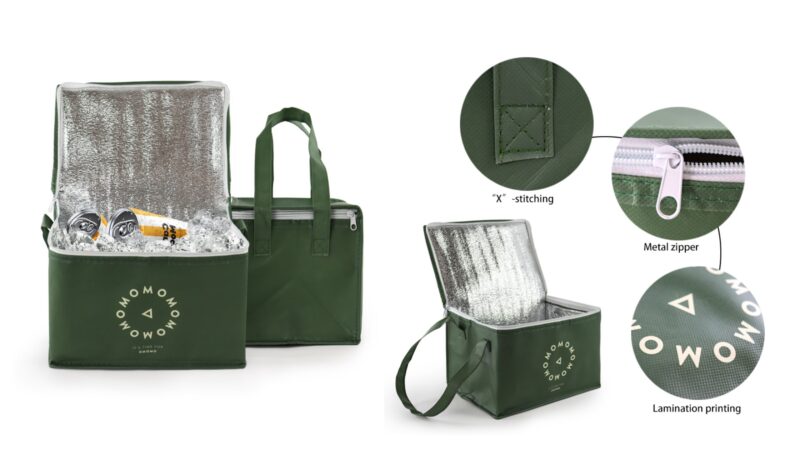
Es findet breite Anwendung in Kühltaschen für den Einzelhandel und mittlere Preisklassen, wie zum Beispiel Kühltaschen für das Mittagessen, isolierte Einkaufstaschen und isolierte Picknicktaschen. Es ist auch beliebt für individuell gestaltete Isoliertaschen, die einen Logodruck und große Mengen erfordern.
TPU-laminiertes Gewebe: Für hochwertige Outdoor-Kühltaschen
TPU-laminiertes Gewebe wird häufig für hochwertige Kühltaschen verwendet, da es einen hervorragenden wasserdichten Schutz bietet und eine HF-Schweißkonstruktion ermöglicht. Obwohl Die Materialkosten sind höher, Es hilft Marken höherwertige Produkte entwickeln mit stärkeres Gewinnpotenzial in Freiluftmärkten.
Gängige TPU-Gewebegrößen umfassen 840D TPU-laminiertes Nylon und 1680D TPU-Gewebe. Diese Materialien werden häufig für Kühltaschen ausgewählt, die eine höhere Strapazierfähigkeit und ein hochwertiges Aussehen erfordern. Sie werden hauptsächlich verwendet für Premium-Kühltaschen für den Außenbereich, einschließlich Campingkühlboxen, Angelkühlboxen, Bootskühlboxen mit Rädern und hochwertige Soft-Kühlboxen.
#3.2 Isolierschaum
Isolierschaum ist das Kernmaterial, das den Wärmetransfer verlangsamt und sich direkt auf die Isolierleistung, die Produktkosten und die Marktpositionierung auswirkt.
EPE-Schaum
EPE-Schaum ist eines der am häufigsten verwendeten Isoliermaterialien für Kühltaschen. Es bietet zuverlässige Isolierung zu einem wettbewerbsfähigen Preis. Dank einer ausgereiften Lieferkette eignet sich EPE-Schaum zudem für eine stabile Produktion und den Großhandel mit großen Bestellmengen.
Es wird häufig verwendet in Alltagskühler, einschließlich Kühlboxen für das Mittagessen, isolierte Einkaufstaschen, Werbe-Kühltaschen und andere preisgünstige Kühlprodukte.
EVA-Schaum
EVA-Schaum bietet im Vergleich zu EPE-Schaum eine bessere Struktur, Haltbarkeit und Formbeständigkeit. Obwohl EVA-Schaum die Produktionskosten erhöht, trägt er dazu bei, Produktverformungen während des Transports zu reduzieren und ermöglicht gleichzeitig höhere Produktpreise.
Es wird hauptsächlich verwendet für Premium-Outdoor-Kühlboxen, Sport-Wasserkühler und robuste Soft-Kühlboxen die eine bessere Unterstützung und Haltbarkeit erfordern.
#3.3 Innenfutter:
Die Innenauskleidung der Kühltasche kommt direkt mit den Lebensmitteln und Getränken in Berührung. Sie beeinflusst maßgeblich den Auslaufschutz, die Benutzerfreundlichkeit und die Lebensmittelsicherheit.
PEVA-Auskleidung
PEVA-Auskleidungen sind das gängigste Auskleidungsmaterial, da sie Lebensmittelsicherheit, Wasserdichtigkeit und effiziente Fertigung optimal vereinen. Heißversiegelte PEVA-Auskleidungen tragen außerdem dazu bei, Reklamationen wegen Leckagen zu reduzieren und somit die Kosten für den Kundendienst zu senken.
PEVA-Auskleidung wird häufig verwendet in Kühltaschen für das Mittagessen, isolierte Einkaufstaschen und Kühlboxen für den täglichen Gebrauch weil es ein gutes Gleichgewicht zwischen Kosten und Funktionalität bietet.
TPU-Auskleidung
Das TPU-Futter bietet einen stärkeren Wasserschutz und eine höhere Haltbarkeit als herkömmliche Futtermaterialien. Es unterstützt eine Premium-Produktpositionierung und höhere Verkaufspreise im Outdoor-Bereich.
Die TPU-Auskleidung wird hauptsächlich verwendet in Premium-Kühltaschen für den Außenbereich, Bootskühlboxen mit Rollen und Angelkühlboxen, insbesondere in Kombination mit der HF-Schweißtechnologie.
Kenntnisse über diese Materialien helfen Käufern, die Qualität von Kühltaschen zu beurteilen und geeignete Produkte für unterschiedliche Marktbedürfnisse auszuwählen. Kühltaschen erfreuen sich zudem zunehmender Beliebtheit aufgrund ihrer Flexibilität, Kostenvorteile und Individualisierungsmöglichkeiten.
#4 Warum Kühltaschen immer beliebter werden
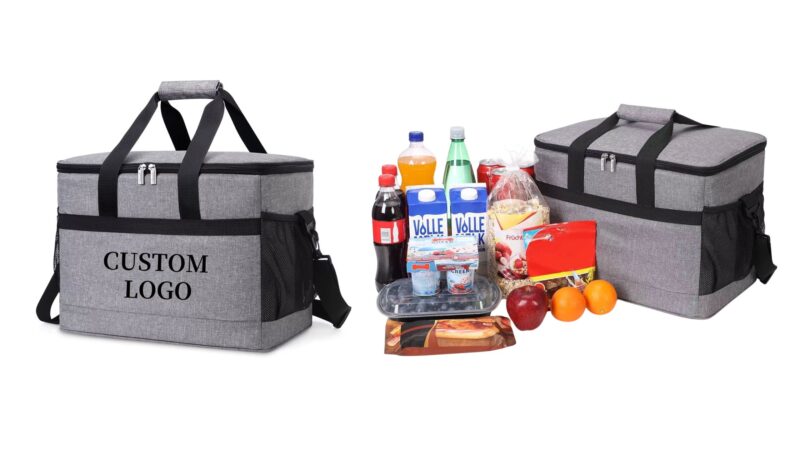
Kühltaschen werden zu einer beliebten Alternative zu herkömmlichen Hartboxen, da sie mehr Flexibilität, niedrigere Versandkosten und mehr Anpassungsmöglichkeiten für verschiedene Märkte bieten.
- Niedrigere Versandkosten
Durch ihr geringes Gewicht und die Faltbarkeit werden die Versandkosten reduziert. Zudem verbessert sich die Effizienz der Containerbeladung bei Großbestellungen. - Geringerer Speicherbedarf
Faltbare Kühltaschen benötigen weniger Lagerplatz als feste Kühlboxen. Dies hilft Käufern, Lagerkosten zu senken und ihren Lagerbestand effizienter zu verwalten. - Einfache Anpassung
Die große Stofffläche erleichtert den Logodruck und die Gestaltung individueller Designs. Dies unterstützt Marken bei der Entwicklung von Eigenmarken- und Werbeartikeln. - Breite Marktnachfrage
Kühltaschen werden für Mittagessen, Lebensmitteleinkäufe, Lieferdienste und Outdoor-Aktivitäten verwendet. Dadurch können Händler mit einer einzigen Produktkategorie unterschiedliche Kundengruppen bedienen.
#5 Wie Materialkombinationen die Positionierung von Kühltaschen beeinflussen
Je nach Kosten, Qualitätsanforderungen und Einsatzgebiet werden für verschiedene Kühltaschen unterschiedliche Materialkombinationen verwendet. Die Kombination aus Außenhülle, Isolierschaum und Innenfutter bestimmt die Haltbarkeit, die Isolierfähigkeit und die Marktpositionierung des Produkts.
#5.1 Kostengünstige Materialkombination
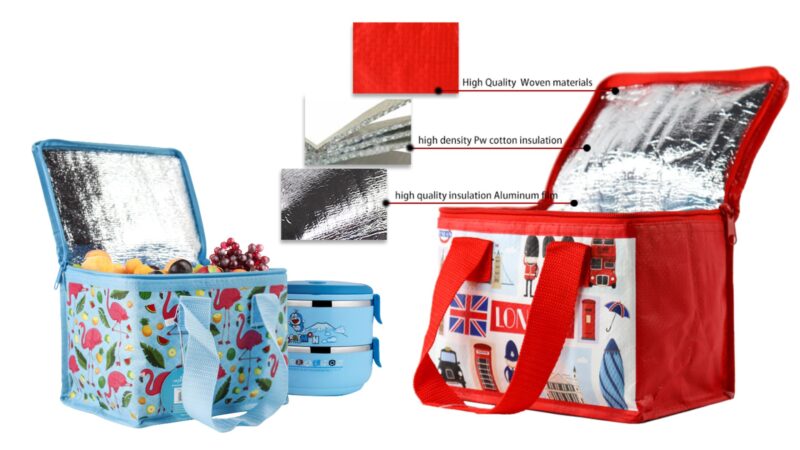
Vliesstoff / Leichtes Polyester + 3 mm EPE-Schaumstoff + Aluminiumfolie
Diese Materialkombination ist auf Kosteneffizienz und grundlegende Isolierung ausgelegt. Leichte Außenstoffe und dünnere Isolierschichten tragen zur Senkung der Produktionskosten bei und gewährleisten gleichzeitig einen grundlegenden Temperaturschutz. Dadurch eignet sich diese Kombination ideal für Werbeartikel, preissensible Märkte und Großaufträge.
Es wird üblicherweise verwendet für:
- Werbe-Kühltaschen
- Werbegeschenke
- Großmengenbestellungen
#5.2 Kühltaschen für den Einzelhandel
600D Oxford-Gewebe + 5–8 mm EPE/XPE-Schaumstoff + heißversiegeltes PEVA
Dies ist eine der gängigsten Konstruktionen für Kühltaschen im Einzelhandel. Sie bietet eine hervorragende Kombination aus Langlebigkeit, Isolierung und Erschwinglichkeit und eignet sich daher für Käufer, die Wert auf gleichbleibende Qualität und eine breite Marktnachfrage legen.
Es wird üblicherweise verwendet für:
- Lunchboxen
- Isolierte Einkaufstaschen
- Alltagskühler
#5.3 Premium-Materialkombination
840D TPU-laminiertes Nylon + EVA-Schaum + HF-geschweißtes TPU
Diese Kombination ist für hochwertige Kühltaschen konzipiert, die einen stärkeren Wasserdichtigkeitsschutz, Langlebigkeit und ein erstklassiges Erscheinungsbild erfordern. Obwohl die Produktionskosten höher sind, ermöglicht sie eine Premium-Produktpositionierung und höhere Gewinnmargen.
Es wird üblicherweise verwendet für:
- Camping-Kühlboxen
- Angelkühlboxen
- Marine-Kühlbox mit Rädern
| Produktposition | Gemeinsame Struktur | Geschäftswert |
| Kostengünstig | Vliesstoff + EPE + Aluminiumfolie | Geringe Investitionskosten bei Großbestellungen |
| Einzelhandel | Oxford + EPE/XPE + PEVA | Stabile Nachfrage über alle Einzelhandelskanäle hinweg |
| Prämie | TPU + EVA + RF-geschweißtes TPU | Höhere Verkaufspreise und Gewinnpotenzial |
#6 Wie man eine gute Kühltasche auswählt
Bei der Auswahl von Kühltaschen sollten Käufer berücksichtigen, ob die Materialkombination zu ihren Zielkunden und ihrer Preisvorstellung passt.
#6.1 Werkstoffkombination
Wählen Sie Materialkombinationen, die zu Ihrer Zielgruppe und Preispositionierung passen. Unterschiedliche Materialstrukturen beeinflussen Produktionskosten, Produktqualität und Kundenerwartungen.
#6.2 Transport und Lagerung
Faltbare Konstruktionen und leichte Materialien können die Versand- und Lagerkosten reduzieren, insbesondere für internationale Käufer und bei Großbestellungen.
#6.3 Qualität und Dichtigkeitsschutz
Zuverlässige Auskleidungen, Dichtungsmethoden und Fertigungsqualität tragen dazu bei, Leckagerisiken, Produktrückgaben und After-Sales-Kosten zu reduzieren.
#6.4 Anpassung und Markttauglichkeit
Wählen Sie Produkte, die zu Ihren Zielkunden passen, und bieten Sie gleichzeitig geeignete Individualisierungsoptionen wie Logos, Farben und Verpackungen an, um die Wettbewerbsfähigkeit am Markt zu verbessern.
Abschluss
Die Wahl der richtigen Kühltasche beginnt mit der Auswahl der passenden Materialien, der richtigen Produktpositionierung und des richtigen Produktionspartners. Wenn Sie zuverlässige Lieferanten, kundenspezifische Produkte oder Unterstützung bei der Beschaffung suchen, hilft Ihnen TonySourcing, qualifizierte Hersteller zu finden und bietet professionelle Beschaffungslösungen für Ihr Unternehmen.
Häufig gestellte Fragen:
- Welche Materialien für Kühltaschen eignen sich am besten für den Großhandel?
A: Es gibt kein allgemein bestes Material. Kostengünstige Kombinationen eignen sich für Werbeartikel, während TPU- und EVA-Strukturen besser für den Premium-Outdoor-Bereich geeignet sind. Die richtige Wahl hängt von Ihrer Zielgruppe und Ihrer Preispositionierung ab.
- Bieten Hersteller von Kühltaschen OEM- und ODM-Dienstleistungen an?
Ja. Viele Hersteller bieten sowohl OEM- als auch ODM-Dienstleistungen an, darunter individuelle Logos, Farben, Materialien, Größen, Verpackungen und Konstruktionsdesigns. Die verfügbaren Optionen hängen in der Regel von den Produktionskapazitäten und Mindestbestellmengen des Anbieters ab.
- Worin besteht der Unterschied zwischen einer Kühltasche und einer Hartbox?
Kühltaschen sind leicht, faltbar und einfacher zu transportieren, während Hartschalen-Kühlboxen in der Regel einen stabileren Schutz bieten. Kühltaschen sind oft die erste Wahl, wenn Stauraum, effizienter Versand und individuelle Gestaltungsmöglichkeiten wichtig sind.
- Welche Faktoren beeinflussen den Preis einer Kühltasche?
Die Kosten einer Kühltasche hängen von den verwendeten Materialien, der Dicke der Isolierung, der Konstruktion des Innenfutters, dem Reißverschlussdesign, der Größe und individuellen Anpassungswünschen ab. Hochwertigere Materialien und fortschrittliche wasserdichte Konstruktionen erhöhen zwar in der Regel die Produktionskosten, bieten aber ein besseres Preis-Leistungs-Verhältnis.
- Wie können Käufer die Beschaffungsrisiken beim Import von Kühltaschen reduzieren?
Vor der Bestellung größerer Mengen sollten Käufer die Produktspezifikationen, die Materialqualität, Muster und Testanforderungen bestätigen. Die Zusammenarbeit mit erfahrenen Lieferanten trägt außerdem dazu bei, Qualitätsprobleme und Lieferrisiken zu reduzieren.