Types of Lunch Boxes—A Complete Guide for Wholesalers
Are you sourcing lunch boxes but unsure which products can better match your market needs? With so many materials, functions, and design choices, choosing the right type of lunch box can be challenging for you. This guide introduces different types of lunch boxes, including bento lunch boxes, silicone lunch boxes, stainless steel lunch boxes, and other lunch containers, to help you find products that meet your market needs.
#1 Types of Lunch Boxes by Materials
Materials are one of the most important factors to consider. It not only determines the cost and market positioning of the products but also the durability and food safety. So it’s more valuable to understand the features of different materials than to compare the pricing alone.
1.1 Plastic lunch boxes
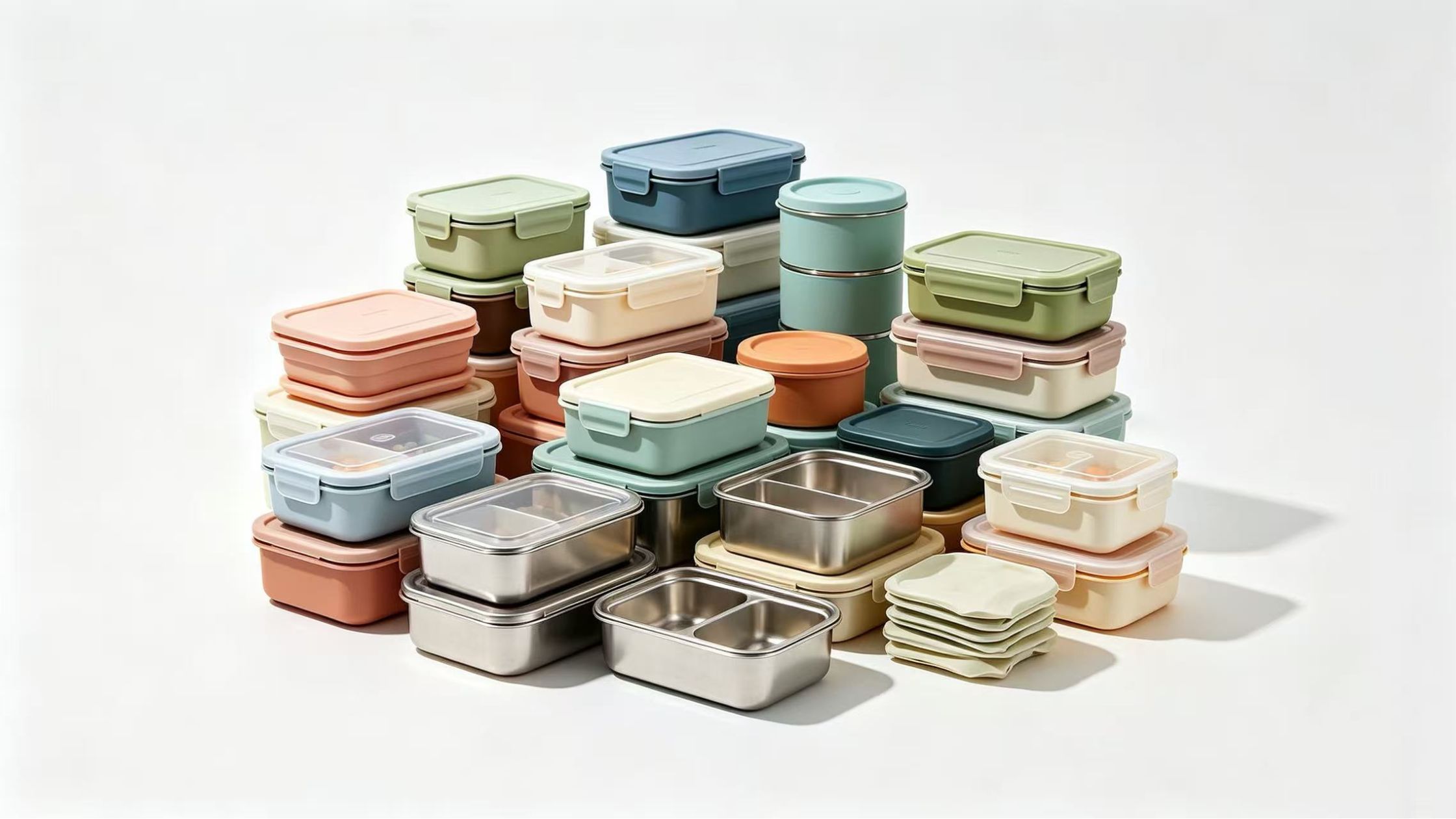
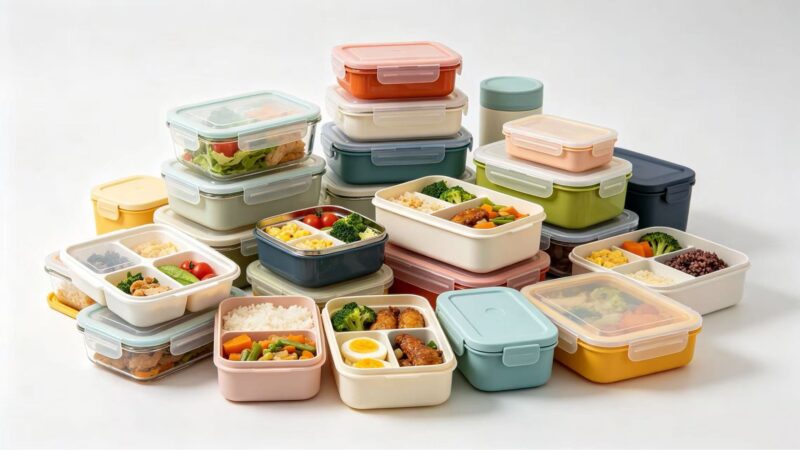
Plastic lunch boxes and food containers are the most widely used products in the market. Most of them are made from food-grade polypropylene (PP) because it is lightweight, durable, and suitable for everyday food storage. BPA-free food-grade materials are also widely used to meet food safety requirements in different markets.
The main reasons why plastic lunch boxes have become popular are their flexible design and cost advantage. You can choose different designs and structures to create products for different price ranges. This makes plastic lunch boxes suitable for a wide range of product lines and sales channels.
If you need products that balance cost and functionality, plastic lunch boxes are a good choice. They are also suitable for customized designs and private label projects because they are available in different colors, shapes, and sizes. When you are sourcing, make sure the materials are food-safe and meet the safety requirements in different markets.
1.2 Stainless steel lunch boxes
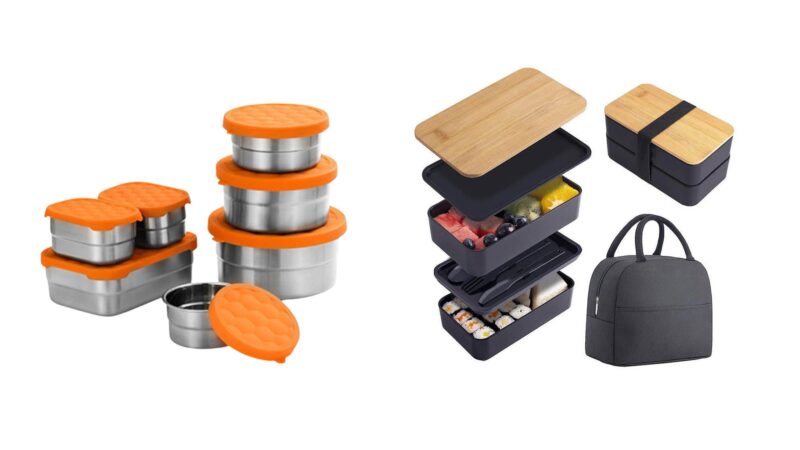
Stainless steel lunch boxes are known for their durability, strong structure, and long service life. Compared with plastic lunch boxes, they usually have a more premium and reliable appearance, making them a common choice for products that focus on durability, long-term use, and outdoor activities such as camping.
The main advantage of stainless steel lunch boxes is their durability and reliable quality. Stainless steel is rust-resistant, easy to clean, and does not easily absorb food smells. These features make the product attractive for customers who prefer reusable lunch boxes and long-term value.
If you are considering stainless steel lunch boxes for your product brand, focus on material quality, design details, and target price. A well-designed stainless steel lunch box can support a higher product position, but you should also confirm that the product meets the required food-contact standards in your market.
1.3 Glass Lunch Boxes
Glass lunch boxes, also known as glass lunch containers, are commonly used for meal preparation, for home use, and as reusable kitchen products. They are often used for product lines that focus on quality, reusable designs, and premium positioning.
Their main advantage is their high-quality appearance and long-term usability. Glass lunch boxes are easy to clean and can maintain a clean appearance after long-term use. Many glass lunch boxes are also microwave-safe, making them suitable for food storage and reheating.
If you aim to enter the premium market, glass lunch boxes can be a good choice for a mid- to high-end product line. When purchasing, remember to check heat resistance and product quality first.
1.4 Silicone Lunch Boxes
Silicone lunch boxes and silicone bento boxes are soft, lightweight, and foldable. Some products can be folded after use to save storage space, making them popular in the market for travel supplies and outdoor equipment.
Their main advantage is flexibility and space-saving design. Unlike traditional hard lunch boxes, silicone lunch boxes can often be folded after use, which helps reduce storage space. This feature makes them suitable for products focused on portability and space-saving designs.
If your brand or sales channel focuses on modern lifestyles and practical product design, silicone lunch boxes are worth considering. When you are sourcing, you have to pay close attention to material quality, product durability, and safety certifications.
| Type | Main Material | Основные характеристики | Лучше всего подходит для |
| Plastic Lunch Boxes | Food-grade PP plastic | Lightweight, affordable, and easy to customize | Affordable product ranges and customized products |
| Stainless Steel Lunch Boxes | Stainless steel | Durable, reusable, and rust-resistant | Premium products and reusable lunch solutions |
| Glass Lunch Boxes | Borosilicate glass | Clean appearance, odor-resistant, and microwave-safe | Quality-focused markets |
| Silicone Lunch Boxes | Food-grade silicone | Flexible, lightweight, and easy to store | Portable products and outdoor use |
#2 Types of Lunch Boxes by Function
Different functions help lunch boxes solve different daily problems. Understanding these functions can help you decide which features are more valuable for your market.
2.1 Insulated Lunch Boxes
Insulated lunch boxes and insulated lunch bags use an insulation layer to help slow down temperature changes and help keep food warm or cold for longer. They are commonly designed with insulated materials between the inner and outer layers.
The main advantage of insulated lunch boxes is their ability to provide better heat retention and temperature control. Unlike other lunch boxes, they offer additional value by helping maintain food conditions during storage and daily use. Different insulation materials, sizes, and designs also allow for different product options.
If you are considering insulated lunch boxes, think about whether temperature control is an important requirement in your market. When you are purchasing, don’t forget to check insulation materials and construction quality, making sure the product fits the daily needs of your target market.
2.2 Leakproof Lunch Boxes
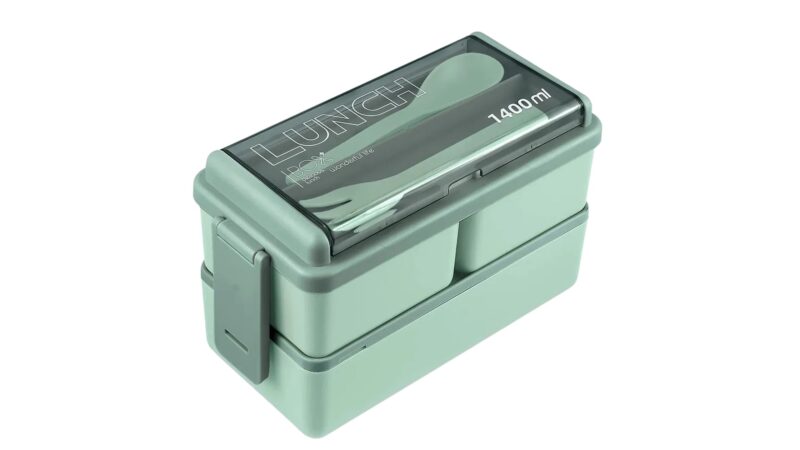
Leakproof lunch boxes are designed with sealing structures that help prevent food or liquids from leaking. They usually use sealing rings, airtight seals, locks, or specially designed lids to help prevent leaks.
The main advantage of leakproof lunch boxes is their better protection and wider range of uses. Compared with other lunch boxes, they can provide a more convenient experience for daily use. This makes them suitable for customers who need practical and reliable lunch storage.
If your market focuses on practical and everyday lunch solutions, leakproof lunch boxes can be a valuable product choice. When sourcing, you should pay attention to the overall sealing design, including the lid structure and sealing materials, making sure the product matches your quality expectations.
2.3 Microwave-safe lunch boxes
Microwave-safe lunch boxes are designed for storing and reheating food and for convenient meal preparation. Some buyers also look for microwave-safe lunch boxes made from heat-resistant materials for reusable product lines. They are usually made with heat-resistant, food-grade materials that can safely handle microwave use, which are especially useful for office workers and people who prepare meals in advance, as they can heat food directly in the same container.
The main advantage of this type is better convenience for daily use. Unlike regular lunch boxes, microwave-safe products combine food storage and heating in one container. This makes them suitable for product ranges that focus on simple meal preparation and reusable designs.
For B2B buyers, microwave compatibility can make a lunch box more practical. Don’t forget to confirm whether the product is truly suitable for microwave use and whether the instructions can be clearly communicated to end users.
2.4 Electric Heated Lunch Boxes
Electric heated lunch boxes can store food and heat it using electricity. They usually include a heating system and power connection, allowing food to be warmed without using a microwave, which makes them suitable for offices, cars, and workplaces without microwaves and kitchen equipment.
Compared with ordinary lunch boxes, electric heated lunch boxes offer an additional function and can meet more specific usage needs, but at a higher price and cost. Different capacities, power options, and designs also allow you to create different product versions.
If you are considering electric-heated lunch boxes, remember to check the applicable electrical standards, voltage requirements, and safety certifications for your market before purchasing. Product reliability is especially important because heating performance directly affects customer experience.
#3 Types of Lunch Boxes by Structure
Product structure affects how people use it and how you can position the product. Different designs can help you create more options for different markets and price levels. For B2B buyers, the structure often directly affects the user experience and the product’s selling points.
3.1 Compartment Lunch Boxes
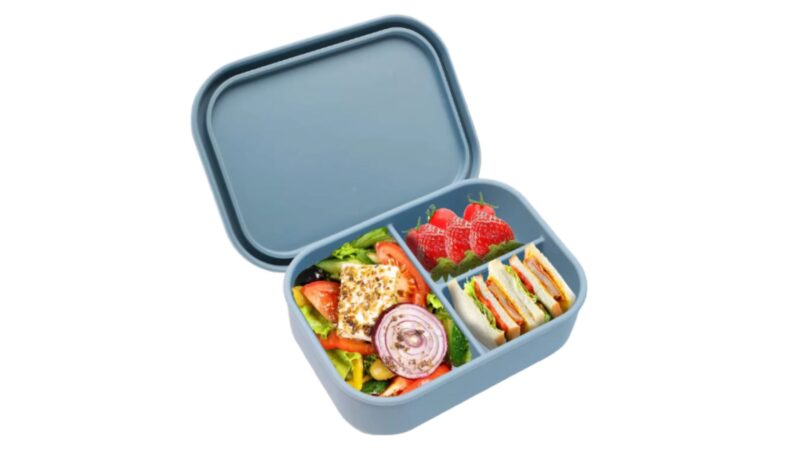
Compartment lunch boxes, also known as bento lunch boxes, have several separate sections inside the lunch boxes, which allow users to store main meals, side dishes, snacks, and other foods separately. Products such as 3 compartment lunch boxes are popular.
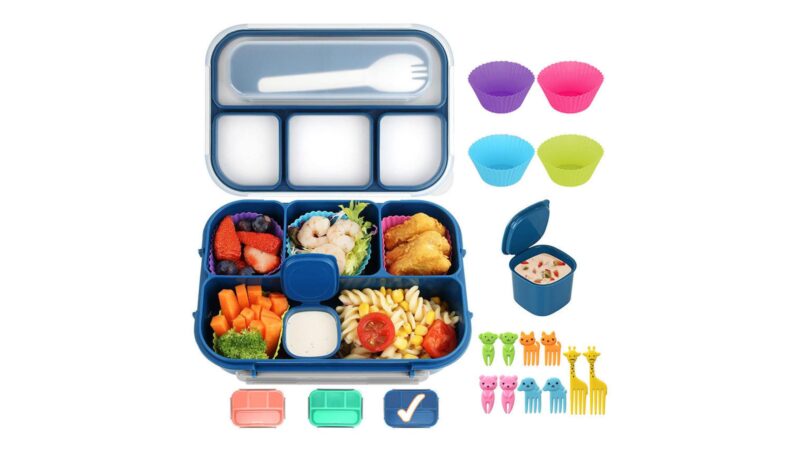
The main advantage of this structure is better food organization and convenience. Compared with single-section containers, compartment designs allow users to store different foods separately without carrying multiple boxes. This makes them a popular choice for everyday meal storage.
When choosing compartment lunch boxes, consider the number and size of sections carefully. More compartments do not mean a better product. The design should match the eating habits and needs of your target market.
3.2 Stackable Lunch Boxes
Stackable lunch boxes are made with multiple lunch boxes that can be placed on top of each other, similar to traditional tiffin lunch boxes. Each layer can store different foods, making it suitable for consumers who need to carry several dishes.
Their main advantage is flexible storage capacity. Users can choose different numbers of layers depending on their needs, which makes stackable lunch boxes more flexible compared with traditional single-container lunch boxes. This structure also creates more options for product design.
When sourcing stackable lunch boxes, you should consider the connection between each layer, the stability of the structure, and the ease of carrying. A well-designed stackable lunch box should be convenient and durable.
3.3 Foldable Lunch Boxes
Foldable lunch boxes and collapsible lunch containers are made with flexible materials, which allow them to be folded after use. They are designed to reduce storage space and improve portability.
The main advantage of this type is its space-saving design. Unlike traditional hard lunch boxes, foldable products take up less room when not in use. This feature makes them suitable for product ranges that focus on portability, storage efficiency, and modern lifestyles.
If you are purchasing foldable lunch boxes, please pay attention to the material quality and folding structure. The product should be durable after repeated folding and still provide a good user experience. Don’t forget to confirm whether the folding structure is durable and whether the design affects the product’s leak resistance or ease of cleaning.
3.4 Disposable Lunch Boxes
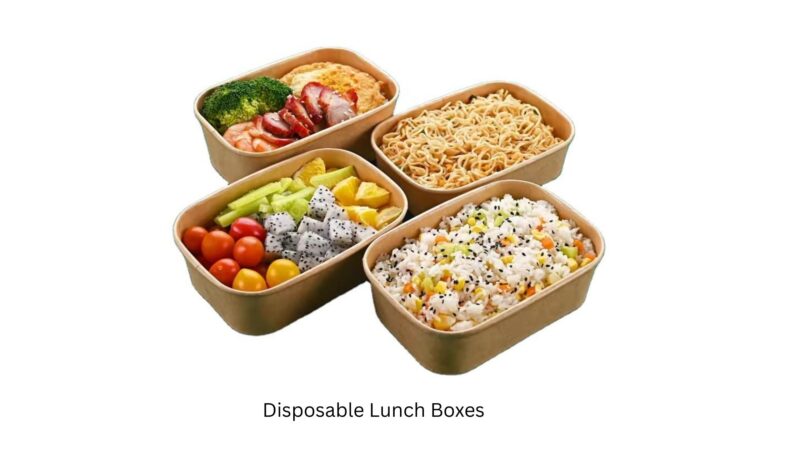
Disposable lunch boxes, including plastic and paper lunch boxes, are mainly used for takeaway food, foodservice, and large-volume food distribution. They are usually lightweight and low-cost, making them suitable for high-volume use.
Their main advantage is convenience and low cost. Compared with reusable lunch boxes, disposable options reduce the need for cleaning and collection, making them suitable for situations where quick replacement is needed.
When sourcing disposable lunch boxes, you should focus on material quality, production capacity, packaging efficiency, and food safety requirements. Choosing the right material is also important because different markets may have different requirements for disposable food containers.
#4 How to Choose the Right Lunch Box for Your Market
Choosing a lunch box is not only about finding a product with more functions. The better choice depends on whether the product matches your market, price range, and sales channel.
Before sourcing, consider what your customers value most. Some markets may focus on affordability and simple designs, while others may prefer durable materials or special functions. Understanding these differences can help you avoid choosing products that are difficult to position.
You should also pay attention to materials, production quality, safety requirements, and customization options. A suitable lunch box should not only meet customer needs but also fit your long-term product strategy.
Часто задаваемые вопросы
1. What materials are commonly used for lunch boxes and reusable lunch containers?
Lunch boxes are commonly made from materials such as plastic, stainless steel, glass, silicone, and food-grade PP. Each material has different features in terms of durability, weight, price, and product positioning. When choosing materials, you should consider your market requirements, target price range, and applicable food-contact safety standards.
2. Which lunch box material is best for wholesale products?
There is no single best material for every market. Plastic lunch boxes are widely used because they offer flexible designs and different price options. Stainless steel and glass lunch boxes are often chosen for products that focus on durability and quality. When selecting materials, you should consider your target price range, customer preferences, and food-contact safety requirements.
3. How long do lunch boxes usually last?
The lifespan of a lunch box depends on the material, structure, and usage conditions. Stainless steel and glass lunch boxes usually offer longer service life, while plastic and silicone options provide more flexibility and lightweight designs.
4. Can lunch boxes be customized with logos, colors, and designs?
Yes. Many lunch boxes can be customized with different colors, packaging, shapes, and logo printing options. Customization allows you to create products that better match your brand image or market requirements. Before placing an order, you should confirm the available customization options, MOQ, and production timeline.
5. What certifications should you check when sourcing lunch boxes?
The required certifications depend on your target market and product materials. Common requirements may include food-contact safety standards, BPA-free requirements for plastic products, and relevant safety certifications for electric heated lunch boxes. Before sourcing, ensure the supplier can provide the required documents and test reports for your market.
Заключение
Lunch boxes come in different materials, functions, and designs for various market needs. Understanding these differences helps you choose the right products for your business. As an experienced lunch box supplier, Тонисорсинг provides a wide range of lunch box solutions, including customized designs, different materials, and flexible sourcing options to help you find products that match your market requirements.