
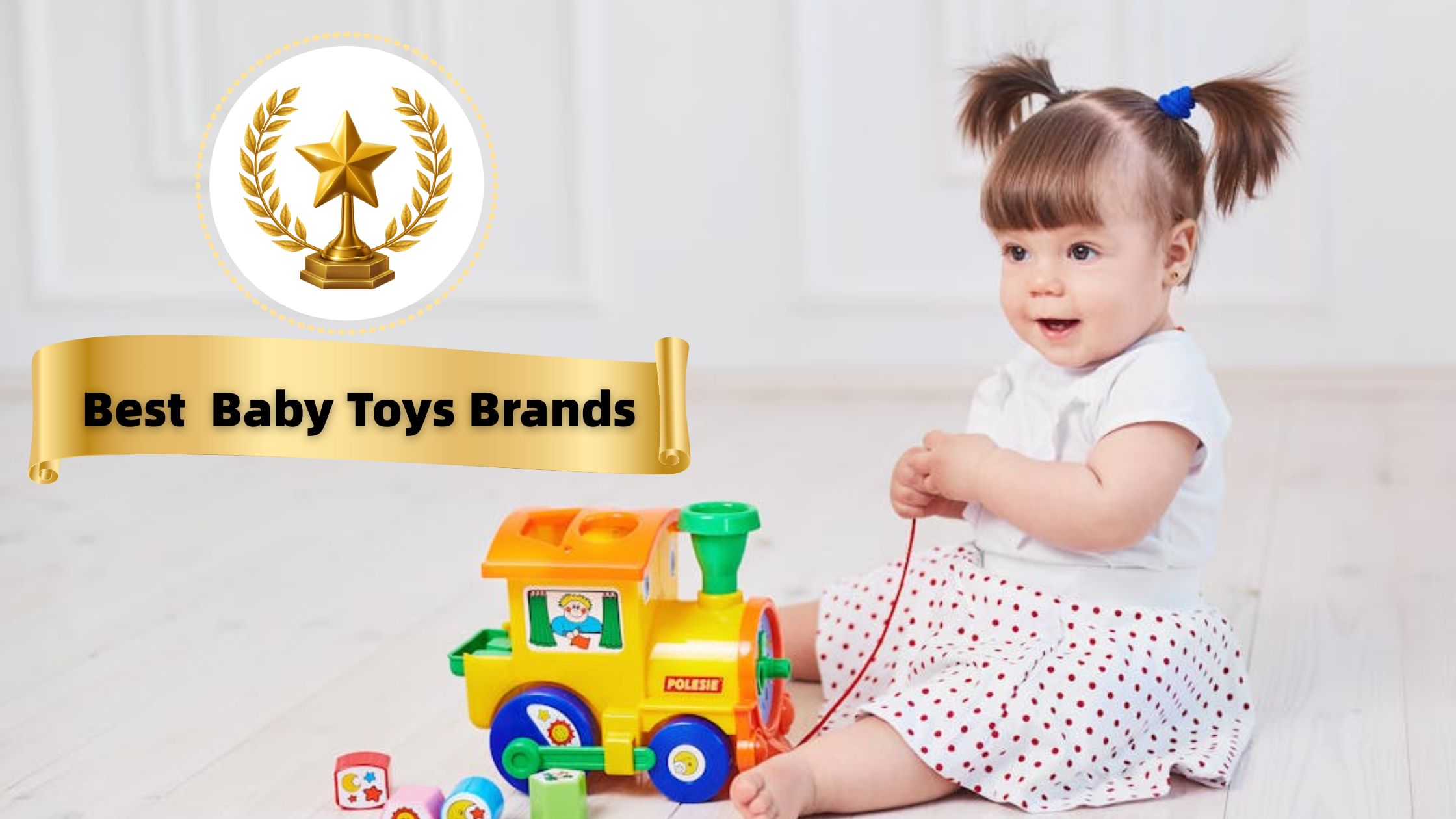
Best Baby Toy Brands Analysis: Sourcing Guide for Quality & Montessori Toys
Do you want some baby toy brands that you can trust? Here are six brands to look at. In baby toy wholesale, it is helpful to know how different brands think. We also share some tips for buying and selling baby toys. This will help you make easier and smarter choices.
#1 Haba
HABA was founded in 1938 and has a long history. HABA is a famous baby toy brand from Germany. Its baby toys often use wood and safe, eco-friendly materials. Babies can touch and chew safely. The baby toy designs are simple and easy to play with. Babies can handle them easily.
Wholesalers can buy different product series to meet many buyers’ needs. HABA makes sure its toys are well-made and carefully designed. Moreover, it helps wholesalers build a trusted product image. Over many years, HABA became well known in Europe. At the same time, HABA slowly became an important reference brand in the industry.
#2 B.Toys
B. toys is a brand under Maison Battat, a baby toy brand known for creativity and color. Its baby toys look fun and bright, making them easy to catch babies’ eyes. Their baby toys are playful and encourage babies to explore freely.
For wholesalers, these baby toys are easy to display and promote. There is no fixed rule on how to play with many of the products. These baby toys are easy to notice during display. The clear brand style helps products stand out on shelves. This is a well-liked baby toy brand with many loyal fans. Its events and promotions make its influence and high-end image clearer in the industry.
#3 Melissa & Doug
Melissa & Doug is a well-known baby and kids’ toy brand with a classic style. The brand was founded in 1988 and has over 30 years of history and is popular in North America. Its baby toys look simple and focus on basic play ideas. Many baby toys keep things simple and let babies play with their hands. The baby toys can be played with again and again as babies grow.
For wholesalers, the products are easy to group and list. The stable brand image helps build long-term trust with buyers. Melissa & Doug works well with baby toy sellers and fits long-range business planning. It lets the brand keep making fun toys that infants like.
#4 Little Tikes
Little Tikes makes big and strong toys for babies and kids. The brand is widely recognized in the U.S. and often used at home or outdoors. The baby toy structure is easy to see and understand. Many toys let babies push, pull, or sit while playing. Play involves more body movement. Little Tikes has good products and a strong brand. They are suitable for OEM or ODM cooperation.
For wholesalers, these products have a clear position and fit long-term planning. The stable brand style helps keep product lines consistent. People often choose these baby toys more than once. That way, they can be sold for a long time.
#5 Bella Luna Toys
Bella Luna Toys makes baby toys with a handmade feel and playful ideas. The colors are soft, and the materials feel gentle when babies touch them. The brand designs toys that help infants imagine and explore. The play of the baby toys is simple and easy to understand.
Wholesalers can pick different series of baby toys to match many buyers’ needs. Bella Luna Toys has a warm brand image; customers like these toys, and stores usually bring in more later. Bella lasts a long time, and children enjoy playing with it again and again.
#6 Battat
Battat is a baby toy brand with a long history, offering products for babies and young children. The baby toys focus on safety and clear play ideas. Many items help children use their hands and learn basic skills through play. Battat products are used in many markets and have a steady audience.
For wholesalers, the product range is clear and easy to plan over time. This helps keep catalogs simple and organized. It keeps catalogs easy to handle and allows the brand to stay active in the wider market. Battat’s products fit the main mid- to low-price market and offer good value for money. The brand watches what baby toys are popular and tries ideas that worked before.
FAQ
1. How do I know if a baby toy brand is reliable?
Check if the brand has been making baby toys for a long time and if the products are easy to understand.
2. Do different countries suit the same baby toy brands?
Not always. Different markets prefer different designs and play habits.
3. Does a baby toy brand need a full product line?
Not many are needed, but having basic items makes selection easier.
4. Can I work with multiple baby toy brands at the same time?
Yes. Working with several brands can meet more buyer needs.
5. How do I start choosing the right baby toy brands?
You can start with mainstream brands and expand step by step.
6. What makes a baby toy brand popular?
How a toy looks, how safe it is, and its colors help people like the brand.
7. Can branded toys help babies learn?
Yes. Toys like these help babies play with shapes and colors and move their hands.
8. How should wholesalers pick the right brands of baby toys?
Choose based on buyer needs, market trends, and brand style.
9. Are all baby toy brands suitable for wholesale?
Not always. Choosing well-known or highly rated baby toy brands is safer.
Conclusion:
From both their websites and real product offerings, it’s clear that these brands do not rely on frequent model changes. Instead, they focus on clear decision-making and keep their products within a manageable, long-term outline. For wholesalers, the real value lies in understanding why these brands make choices, rather than focusing on individual items. Based on these proven brand practices, TonySourcing helps you connect with suitable supply resources and turn brand experience into practical sourcing and product selection references.
 EN
EN  ES
ES  DE
DE  AR
AR