Guía de compra de juguetes de playa: lo que los compradores B2B deben saber.
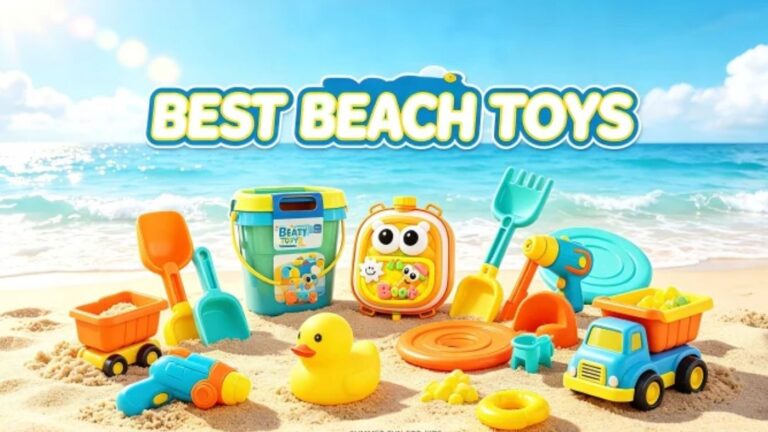
Los juguetes de playa son productos para exteriores diseñados para que los niños jueguen en la arena y el agua, y para actividades en la playa. Desde sets de juguetes de arena y juguetes acuáticos hasta productos para deportes de playa, abarcan una amplia gama de categorías de juguetes de temporada.
Esta guía explica las categorías de juguetes de playa, los materiales y los factores clave de aprovisionamiento para ayudarle a evaluar productos, controlar costes y desarrollar líneas de productos adecuadas.
#1 ¿Qué son los juguetes de playa?
Los juguetes de playa son juguetes especialmente Diseñado para que los niños jueguen en entornos de arena y agua. A diferencia de los juguetes tradicionales de interior, ellos centrarse en actividades prácticas, movimiento físico e interacción al aire libre.. Algunos ejemplos comunes incluyen: cubos de arena, palas, moldes de arena, pistolas de agua, barcos de juguete, pelotas de playa y discos voladores.
Desde la perspectiva del abastecimiento, los juguetes de playa suelen ser productos de plástico ligeros con estructuras simples. Muchos productos se fabrican mediante procesos maduros como el moldeo por inyección de plástico, lo que los hace... Adecuado para pedidos al por mayor de juguetes de playa y para el suministro a gran escala en tiendas minoristas.
#2 ¿Por qué se están popularizando los juguetes de playa?
Los juguetes de playa tienen una demanda estacional estable, impulsada por las actividades al aire libre, las rebajas de verano y el creciente interés por las actividades familiares.
Para las empresas, los juguetes de playa ofrecen varias ventajas:
- Fuerte demanda estacional
Los juguetes de playa se benefician de las vacaciones de verano, los viajes a la playa y las actividades al aire libre. Los minoristas pueden utilizarlos como productos de temporada para atraer clientes durante los periodos de mayor afluencia turística.
- Amplia selección de productos
Esta categoría incluye productos básicos de bajo costo, así como conjuntos de mayor valor. Puedes desarrollar diferentes líneas de productos según los rangos de precios objetivo.
- Opciones de personalización flexibles
Muchos juguetes de playa se pueden personalizar mediante colores, empaques, accesorios, formas y diseños temáticos. Agregar herramientas adicionales o crear conjuntos temáticos puede aumentar el valor del producto.
- Bajo riesgo de transporte
En comparación con los juguetes electrónicos, la mayoría de los juguetes de playa tienen estructuras sencillas y menos componentes frágiles. Sin embargo, los productos más grandes o los conjuntos con muchos accesorios requieren un diseño de embalaje cuidadoso.
#3 Tipos de juguetes de playa
Los juguetes de playa generalmente se pueden dividir en tres categorías: juguetes de arena, juguetes de agua y juguetes para deportes de playa. Cada categoría tiene características de producto y potencial de mercado diferentes.
3.1 Juegos de juguetes de arena
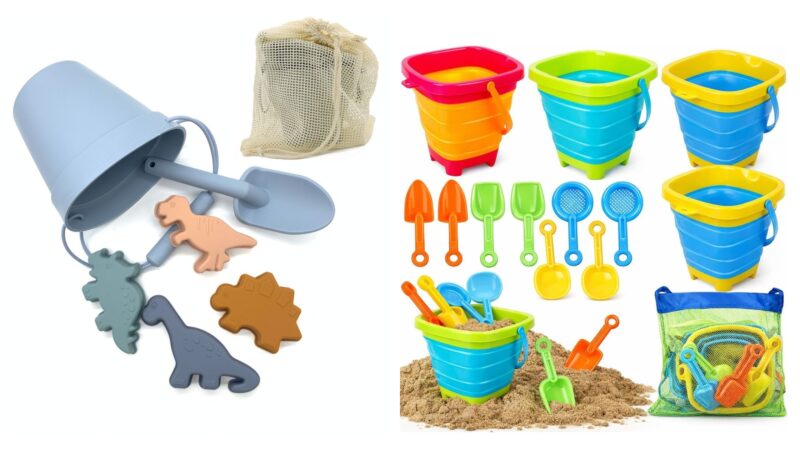
Los juegos de juguetes de arena son uno de los Categorías de juguetes de playa más comunes. Están diseñados para cavar, dar forma y construir con arena. Un juego típico suele incluir cubos, palas, moldes de arena, ruedas hidráulicas, regaderas, tamices y otros accesorios.
| Componente | Función | Consideraciones de compra |
| Cubos y contenedores | Se utiliza para transportar arena, contener agua y construir estructuras de arena. | Los tamaños más grandes requieren más plástico y espacio de embalaje., que puede aumentar los costos. |
| Palas y rastrillos | Se utiliza para cavar, mover arena y dar forma a las superficies. | Generalmente accesorios de bajo costo, pero Se debe comprobar la resistencia del material y la seguridad de los bordes.. |
| moldes de arena | Se utiliza para crear diferentes figuras de arena, como animales o castillos. | Los diseños únicos pueden requerir costos adicionales de moho pero puede mejorar la diferenciación del producto. |
| Tamices | Se utiliza para filtrar arena y separar conchas o pequeños residuos. | Estructuras sencillas con bajos costos, pero la durabilidad debe ser probada. |
| Ruedas hidráulicas | Crea efectos interactivos mediante la rotación con arena o flujo de agua. | Más componentes aumentar la complejidad de la producción y requieren controles de calidad. |
Para su producción, la mayoría de los juguetes de arena se fabrican con Plástico PP, PE, PVC o ABS mediante moldeo por inyección. Dado que la estructura es simple y los moldes están maduros, los costos de producción se ven afectados principalmente por Desarrollo del molde, uso de plástico, número de accesorios y diseño del embalaje.
Los juegos de juguetes de arena suelen tener una baja tasa de daños durante el transporte y ofrecer Opciones de SKU flexibles. Sin embargo, Los productos de mayor tamaño pueden aumentar los costos de envío., mientras Los conjuntos de varias piezas requieren un mejor embalaje para evitar la pérdida de accesorios.. Al realizar compras, los compradores deben prestar atención a: Seguridad de los materiales, calidad del molde, cantidad de accesorios y requisitos de seguridad de los juguetes.
3.2 Juguetes acuáticos
Los juguetes acuáticos son Diseñado para jugar en playas, piscinas y otros entornos acuáticos.. En comparación con los juguetes de arena, suelen tener estructuras más complejas y requieren un control de calidad más estricto..
Los tipos más comunes de juguetes acuáticos son:
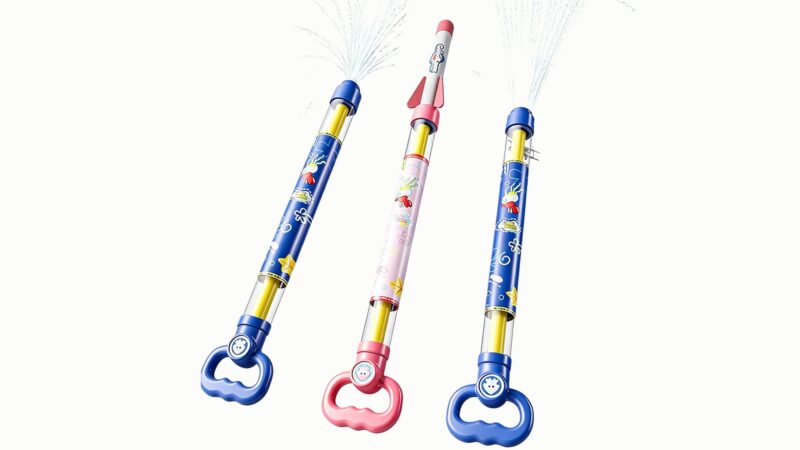
- Pistolas de agua y juguetes que rocían agua
Estos juguetes utilizan bombas o sistemas de presión para rociar agua. Su costo depende principalmente de las piezas de plástico, las estructuras de sellado y los requisitos de ensamblaje. - Juguetes flotantes
Estos productos, incluidos los flotadores y tubos inflables, requieren materiales duraderos y un sellado hermético fiable para reducir los riesgos de fugas. - Juguetes de buceo
Los aros lastrados, los palos y los juguetes con forma de animales están diseñados para juegos de recuperación subacuática. Los compradores deben comprobar la seguridad, el peso de los componentes y la calidad del ensamblaje. - Juguetes para la exploración del agua
Productos como barcos de juguete y redes de pesca fomentan la exploración al aire libre. Suelen tener estructuras sencillas, pero aun así requieren materiales resistentes y accesorios seguros.
Los juguetes acuáticos suelen tener costos de producción medios porque algunos productos requieren componentes adicionales, estructuras de sellado o pruebas funcionales. Deberías comprobarlo. riesgos de fugas, estabilidad de los componentes y consistencia de la producción.Debido a la fuerte demanda estacional, los juguetes acuáticos son... Ideal para promociones de verano, jugueterías, tiendas de piscinas y canales de venta online.
3.3 Juguetes para deportes de playa
Los juguetes para deportes de playa son Diseñado para juegos activos al aire libre en playas o cerca del agua.. Ellos combina el entretenimiento con el ejercicio físico. y normalmente tienen mayor potencial de venta en comparación con los juguetes de playa básicos.
Entre los juguetes más populares para deportes de playa se incluyen:
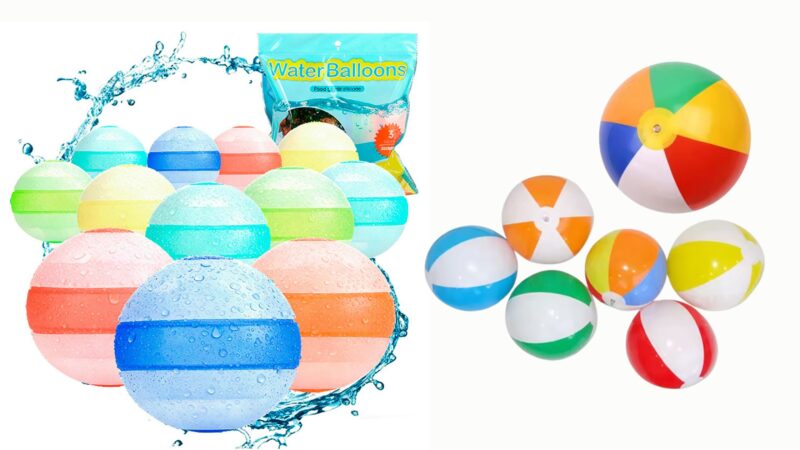
- Pelotas de playa y pelotas deportivas inflables
Las pelotas inflables grandes y ligeras son fáciles de transportar y adecuadas para actividades familiares. - Discos voladores y anillos voladores
Fabricados con materiales plásticos o de espuma ligeros, estos productos son fáciles de lanzar y adecuados para espacios exteriores abiertos. - Raquetas y pelotas de playa
Los juegos de raqueta sencillos son populares porque son fáciles de aprender y adecuados para diferentes grupos de edad. - Pelotas que rebotan en el agua
Las pelotas especialmente diseñadas pueden rebotar en la superficie del agua, creando experiencias de juego únicas.
El precio de los juguetes para deportes de playa depende principalmente de los materiales, el tamaño y la estructura. Los productos inflables y los conjuntos deportivos de mayor tamaño pueden aumentar los costos de embalaje y envío.. Los compradores deben comprobar Se evalúan la durabilidad, el grosor del material y la eficiencia del embalaje antes de realizar pedidos al por mayor.
Los juguetes inflables requieren pruebas de hermeticidad., mientras Los productos de raqueta necesitan conexiones fuertes. Gracias a las opciones de personalización, como los conjuntos temáticos y los diseños de marca, los juguetes para deportes de playa pueden alcanzar un mayor potencial de ventas.
#4 Materiales utilizados en juguetes de playa
Los materiales utilizados en los juguetes de playa influyen directamente en la seguridad, la durabilidad, los costes de producción y el posicionamiento en el mercado. Las distintas categorías de productos suelen requerir diferentes materiales.
| Material | Usos comunes | Características principales y notas de compra |
| PP y PE | Cubos de arena, palas, moldes, tamices | De bajo costo, ligero y apto para moldeo por inyección.. Se utiliza comúnmente para juguetes de playa de producción masiva. |
| CLORURO DE POLIVINILO | pelotas de playa inflables y juguetes flotantes | Flexible e impermeable. Deberías Comprobar el grosor del material y la calidad del sellado. |
| TPU | Juguetes inflables de primera calidad | Más duradero y con mejor aspecto. que los materiales básicos, adecuados para productos de mayor valor. |
| EVA y espuma | Accesorios flotantes, discos voladores blandos, juguetes deportivos | Ligero, suave y resistente a los impactos., adecuado para productos portátiles. |
| Silicona | Juguetes de playa de primera calidad para niños | Suave y duradero, generalmente utilizado para productos de gama alta debido a mayores costos de materiales. |
Al buscar juguetes de playa, seleccionar la combinación de materiales adecuada puede ayudar a equilibrar el costo del producto, la calidad y las exigencias del mercado objetivo. Los materiales PP/PE son apropiados para productos económicos de consumo masivo, mientras que el PVC, el TPU y la silicona son más adecuados para líneas de juguetes de playa de gama alta.
#5 Cómo elegir juguetes de playa para diferentes mercados
Elegir los juguetes de playa adecuados depende de tus necesidades. Mercado objetivo y posicionamiento del producto. También se deben considerar los grupos de edad, ya que Los juguetes de playa para niños pequeños suelen requerir diseños más sencillos y materiales más seguros., mientras Los niños mayores pueden preferir productos más interactivos..
Para la venta minorista de gran consumo, los productos asequibles y fáciles de vender suelen ser la mejor opción. Juegos de juguetes de arena son adecuados porque tienen Diseños sencillos, demanda estable y menores costes de producción. Se pueden vender ampliamente a través de supermercados, jugueterías y canales de venta minorista de temporada.
En los mercados en línea, los productos con diseños únicos, un fuerte atractivo visual y que sean portátiles suelen tener mejor rendimiento. Los juguetes de playa de viaje y los juguetes acuáticos compactos pueden Atraer clientes mediante un almacenamiento sencillo, funciones interactivas y un embalaje atractivo.
Para los mercados de productos para exteriores y de alta gama, los juguetes deportivos de playa y los conjuntos multifuncionales ofrecen mejores oportunidades para un posicionamiento de mayor valor. Productos como juegos de paletas, discos voladores y kits de actividades familiares pueden Ofrecer una mayor diferenciación y precios de venta más elevados.
#6 Cómo crear una línea de productos de juguetes de playa
Para crear una línea de productos de juguetes de playa exitosa se requiere un equilibrio entre variedad de productos, control de costes y demanda del mercado. En lugar de elegir un solo tipo de producto, puedes combinar diferentes categorías para satisfacer las diversas necesidades de los clientes.
Una línea de productos equilibrada generalmente incluye productos básicos, productos interactivos y productos premium.. Combinar diferentes categorías puede ayudar abarcar diferentes rangos de precios y reducir la dependencia de un solo tipo de producto.
Al planificar una línea de productos de juguetes de playa, los compradores deben Considere los mercados objetivo, los rangos de precios, los tamaños de los envases y la demanda estacional.. Una combinación de productos bien diseñada puede ayudar Reduzca los riesgos de inventario y cree más oportunidades en diferentes canales de venta..
Preguntas frecuentes
¿Cuáles son los tipos de juguetes de playa más populares para niños?
Los juguetes de playa más populares incluyen juegos de arena, juguetes acuáticos y juguetes deportivos de playa. Los juegos de arena son muy populares debido a sus precios accesibles y su demanda constante, mientras que los juguetes acuáticos y deportivos atraen a los clientes por sus características interactivas y las actividades al aire libre que ofrecen.
¿Qué normas de seguridad deben cumplir los juguetes de playa?
Los juguetes de playa están diseñados para niños, por lo que conviene comprobar que cumplen con las normas de seguridad para juguetes vigentes en sus mercados objetivo. La seguridad de los materiales, las piezas pequeñas, los bordes afilados y las restricciones químicas son factores importantes a tener en cuenta antes de realizar pedidos al por mayor.
¿Qué factores influyen en el precio de los juguetes de playa?
El costo de los juguetes de playa depende principalmente de los materiales, la complejidad del producto, los requisitos de moldeo, la cantidad de accesorios y los métodos de empaque. Los juegos de arena sencillos suelen tener un costo menor, mientras que los productos con más funciones, diseños únicos o múltiples accesorios requieren una mayor inversión en producción.
¿Se pueden personalizar los juguetes de playa para convertirlos en productos de marca propia?
Sí. Los juguetes de playa suelen tener un gran potencial de personalización. Las empresas pueden personalizar los colores, el diseño, el empaque, las combinaciones de accesorios y los elementos de marca para crear productos que se adapten a diferentes mercados y rangos de precios.
¿Qué debo tener en cuenta al comprar juguetes de playa?
Al buscar juguetes de playa, conviene tener en cuenta la seguridad del producto, los estándares de calidad, la capacidad del proveedor, los plazos de producción y la demanda estacional. Elegir al proveedor adecuado garantiza una calidad constante, una entrega puntual y una mayor competitividad del producto.
Reflexiones finales
Los juguetes de playa ofrecen diversas oportunidades para que las empresas desarrollen líneas de productos de temporada. Elegir los productos adecuados requiere equilibrar los tipos de productos, los materiales, los costos y la demanda del mercado.. Con experiencia en la búsqueda, personalización y control de calidad de juguetes de playa, TonySourcing ayuda a las empresas a encontrar productos adecuados, optimizar los procesos de abastecimiento y desarrollar colecciones de juguetes de playa que se ajusten a sus mercados objetivo.