
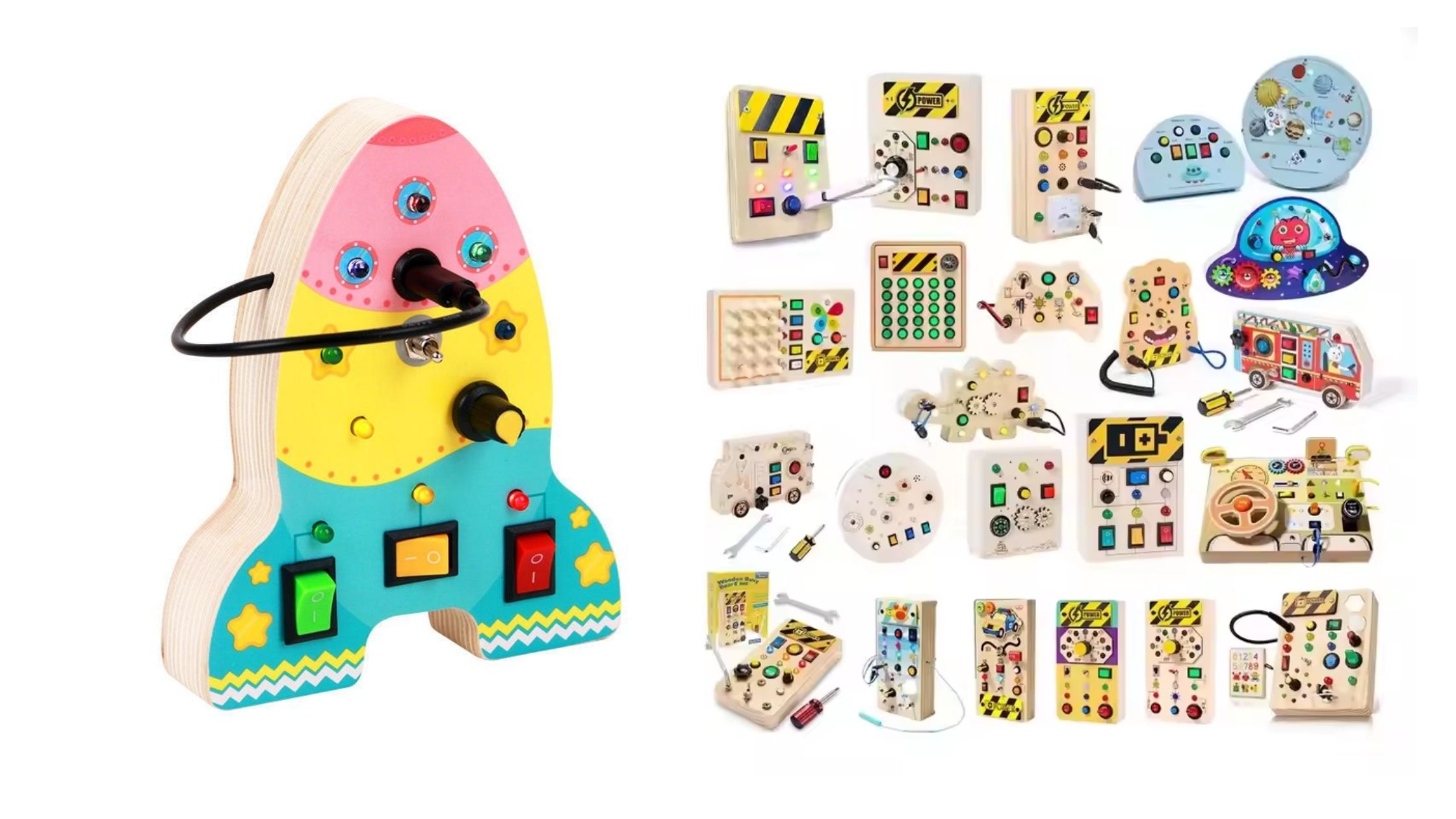
What are Motor Skill Toys? Guide for Wholesale
When it comes to the highly profitable educational toy market, one category stands out for its consistent demand: developmental toys. For B2B buyers, retailers, and brand owners, understanding the science behind the products is the key to a successful inventory.
Below is a professional guide for TonySourcing.com to help you master the “motor skill” niche and source the best products for your brand in 2026.
What are Motor Skill Toys? A 2026 Sourcing Guide
In the competitive toy industry, “play” is essentially a child’s “work.” As a professional procurement manager, you aren’t just buying plastic or wood; you are purchasing tools for developmental milestones. But what are motor skill toys exactly?
Simply put, motor skill toys are products designed to improve a child’s muscle control and coordination. The market generally divides these into two high-performing categories:
- Gross Motor Toys: These focus on large muscle groups used for balance, jumping, and crawling.
- Fine Motor Toys: These focus on the small muscles in the hands, fingers, and wrists.
In 2026, the global educational toy market is projected to reach over $169 billion, with a significant shift toward “analog” skill-building to balance out the digital world.
High-Demand Fine Motor Toys for Toddlers
The toddler segment is a goldmine for repeat business because children outgrow these toys quickly, moving from simple shapes to complex puzzles. Fine motor toys for toddlers are essential because they prepare children for “real world” tasks like using a spoon, buttoning a coat, or holding a pencil.
2026 Sourcing Trends:
- Tactile Silicone “Pull” Toys: These provide sensory feedback and are incredibly durable for shipping.
- Magnetic Building Systems: These help toddlers practice precise placement while building spatial awareness.
- Montessori-Inspired Lacing Beads: A classic that remains a top-seller due to its focus on the “pincer grasp.”
When sourcing fine motor toys for toddlers, focus on materials. The 2026 trend is moving toward “Newstalgia”—using muted pastels and natural wood finishes rather than aggressive neon colors.
Best Motor Skills Toys for 2 Year Olds
By the age of two, children are in a critical “bridge” phase. They are no longer infants, but they aren’t yet preschoolers. When selecting motor skills toys for 2 year olds, you should prioritize toys that offer a “challenge-success” loop.
Key Inventory Items for this Age Group:
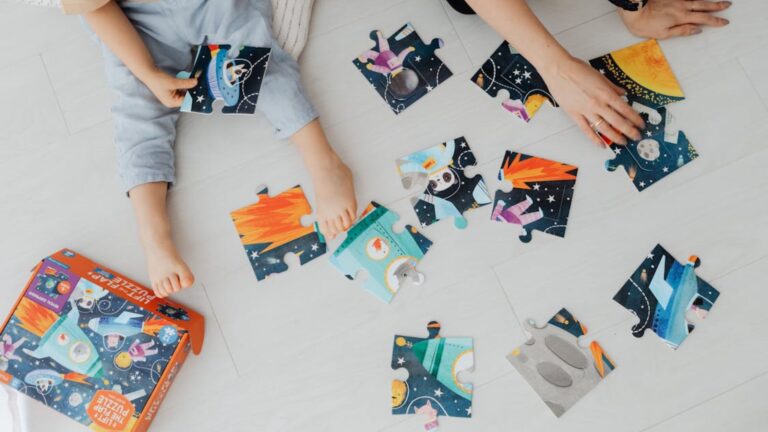
- Thick-Knob Puzzles: Unlike standard puzzles, these are specifically toys for fine motor development because they allow 2-year-olds to use their whole palm to manipulate pieces.
- Hammering & Pounding Benches: These develop hand-eye coordination and controlled force.
- Bead Mazes: A staple for any waiting room or classroom, these encourage complex finger tracking.
Pro Sourcing Tip: For the 2-year-old market, ensure your supplier has a “Small Parts” test report. Safety is the #1 concern for brand owners importing for this demographic.
FAQ: Sourcing Motor Skill Toys
- How do I verify if motor skills toys for 2 year olds meet 2026 safety standards? Ensure your supplier provides the updated EN 71-1:2026 (for Europe) or ASTM F963 (for the US) certifications. These latest standards include stricter rules on chemical migration and mechanical durability for toys intended for children under 3.
- What are the best materials for toys for fine motor development? While plastic is cost-effective, high-quality FSC-certified wood and food-grade silicone are currently trending. These materials provide a natural “weight” and tactile feedback that helps children gauge how much pressure to apply during play.
- Can I request “Digital Product Passports” (DPP) for these fine motor toys for toddlers? Yes. Starting in 2026, many European buyers require a DPP (often a QR code on the packaging) that links to a digital record of safety and sustainability data. Ask your manufacturer if they are “DPP-ready.”
- What is the benefit of sourcing “Open-Ended” motor skill toys? Open-ended toys (like stacking stones or magnetic tiles) have a longer “shelf life” for the consumer, meaning they are perceived as higher value. For B2B buyers, this leads to lower return rates and higher customer satisfaction.

 EN
EN  ES
ES  DE
DE  AR
AR