What Are Diecast Cars? Understanding Materials, Scales, and Value
This guide explains what diecast cars are and why they are popular products in the toy and model market. You will learn their materials, key features, and market value. It helps wholesalers understand this model car category. It also helps you choose the right diecast car products for your business.
#1 What Are Diecast Cars?
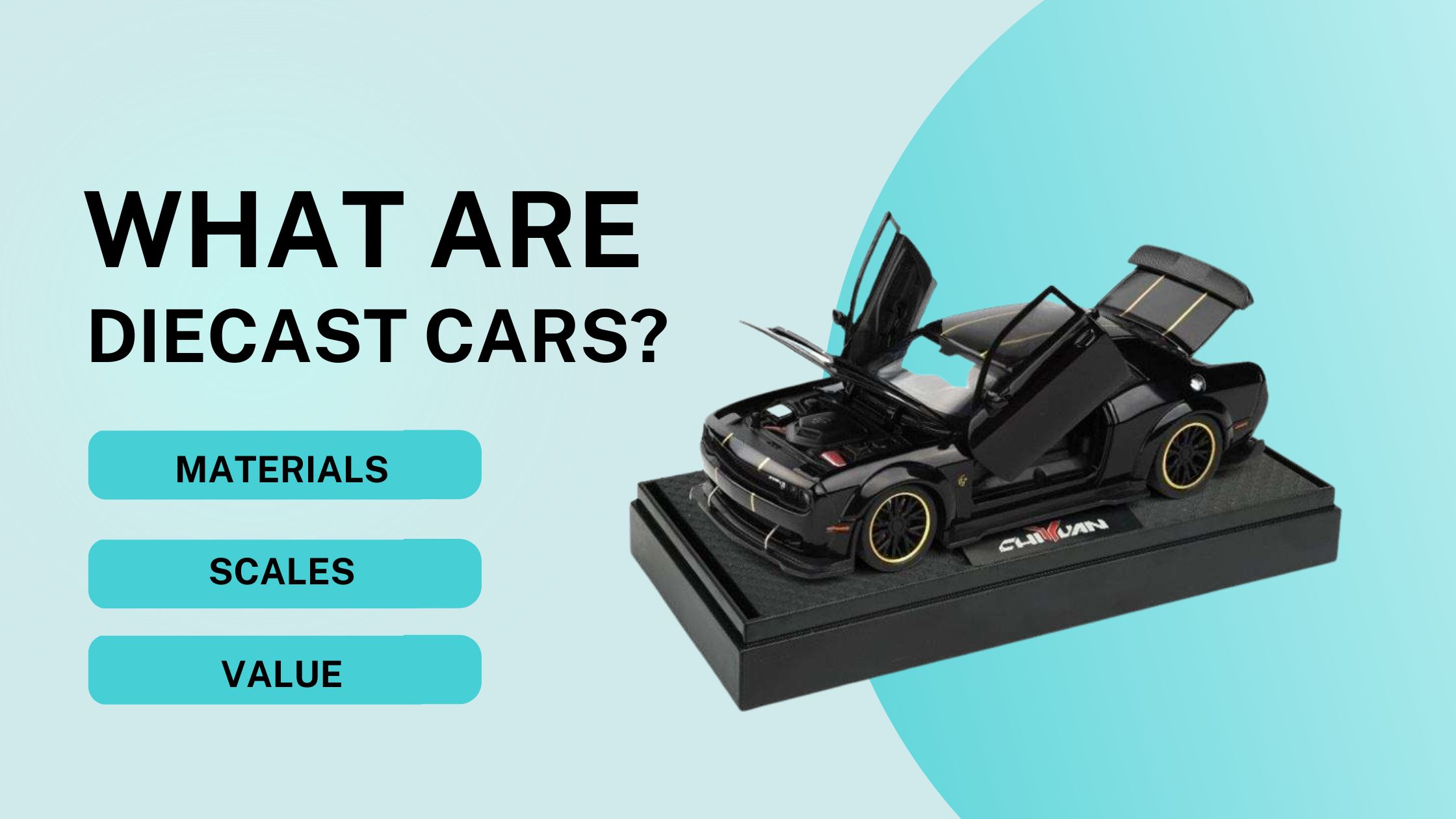
Diecast cars are metal model cars made by a process called die casting.
Die-cast car manufacturers usually use zinc, aluminum, or other metal alloys.
Diecast cars are strong and heavy. They also have many small details, such as doors, engines, and wheels.
Many diecast model cars look like real vehicles, but in a smaller diecast car scale.
Most diecast cars also include plastic or rubber parts—for example, Rubber is used for tires, and clear plastic is used for lights. There are also windows, tires, and interior components.
Because of their quality and realistic design, diecast cars are popular products in the market.

#2 What Materials Are Diecast Cars Made Of?
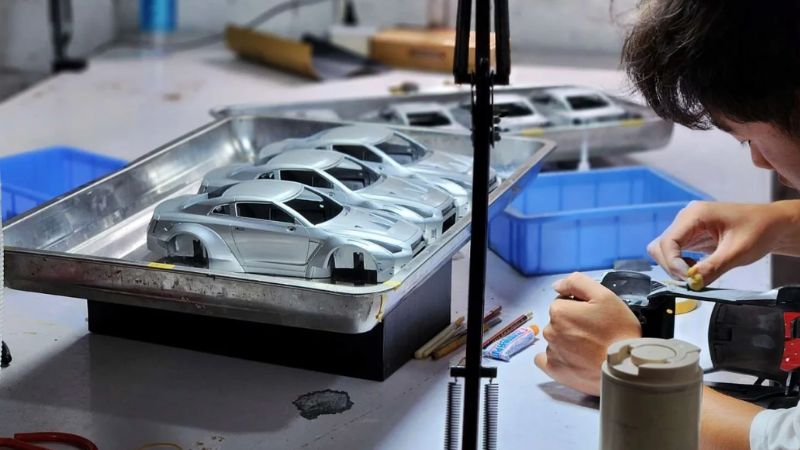
Zinc alloy is widely used in die-casting manufacturing. It flows well in molds and is suitable for mass production. This die-casting process is similar to plastic injection molding.
Some manufacturers also use aluminum alloys. Manufacturers use these metals to produce many diecast model cars. They are suitable for large-scale toy and model production.
Because of these materials, manufacturers can produce many diecast car designs. This makes diecast cars a common product in the global market.
#3 The History of Diecast Cars
Diecast cars first appeared in the early 20th century. Some of the earliest models were small copies of the Ford Model T. These early diecast toys were small versions of real cars.
In the 1950s, many people started making and collecting model cars. By the 1960s, diecast cars became very popular around the world. Toy companies began producing more diecast model cars for the growing market.
Over time, diecast cars developed into a large product category. Today, they are sold as toys, gifts, and collectible model cars in many markets.

#4 Common Diecast Car Scales
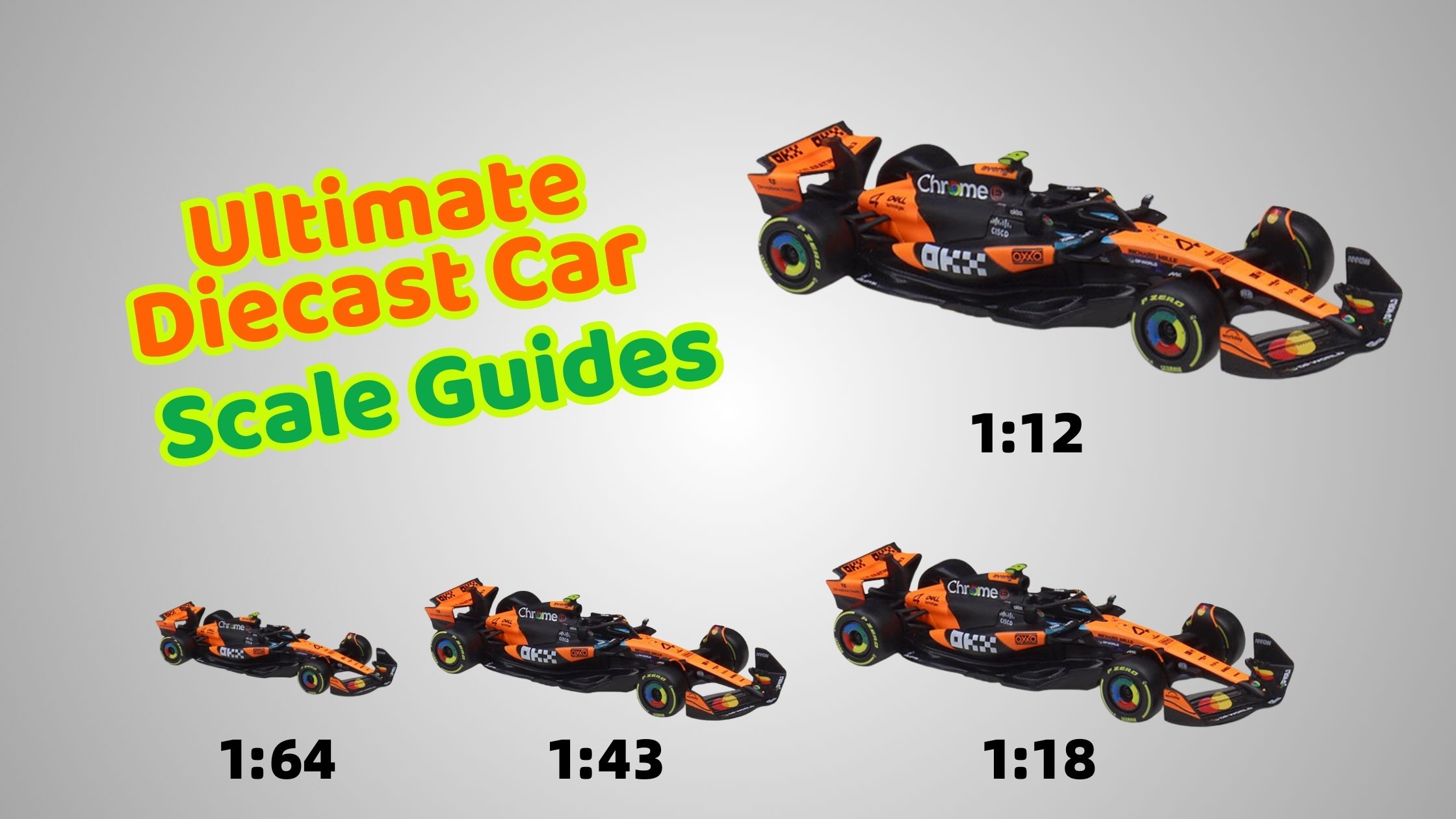
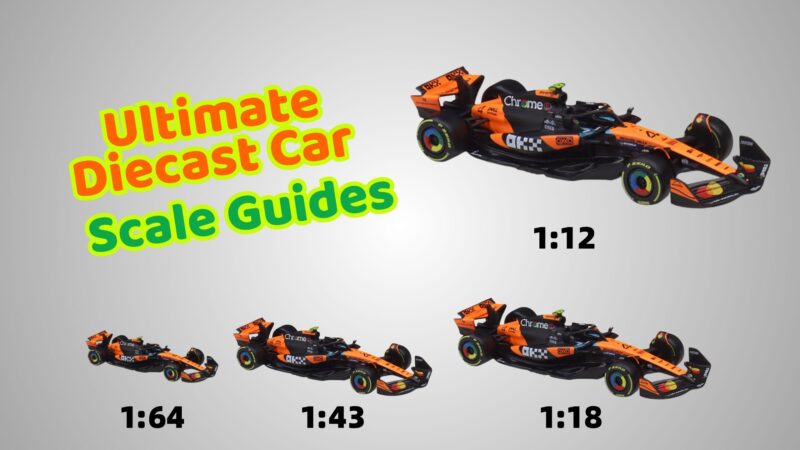
Diecast cars are produced in different scales. The scale tells how big the model car is compared to the real vehicle. For example, a 1:64 scale car is much smaller than the original vehicle.
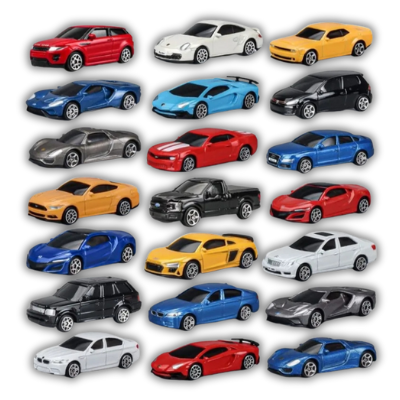
Some scales are more common in the diecast model market. The most popular scale of diecast car is 1:64, and these models are usually about 3 inches long. Another popular diecast car scale is 1:43. Many collectors prefer this size.
Larger scales include 1:24 and 1:18. These diecast model cars are bigger and often show more design details. Because of this, they are often sold as premium diecast models.
Using different scales allows manufacturers to create many types of diecast cars. Collectors can choose the scale of diecast cars that fits their market needs.
#5 Why Diecast Cars Are Popular With Collectors
Some people collect diecast cars from specific manufacturers. Others focus on certain car models, movie vehicles, or classic cars. This gives collectors many choices in the diecast model market.
Diecast cars are also popular as gifts and display items. Car fans like to own a small version of their favorite vehicle.
For this reason, collectible diecast cars remain popular in many markets.
#6 What Affects the Value of Diecast Cars
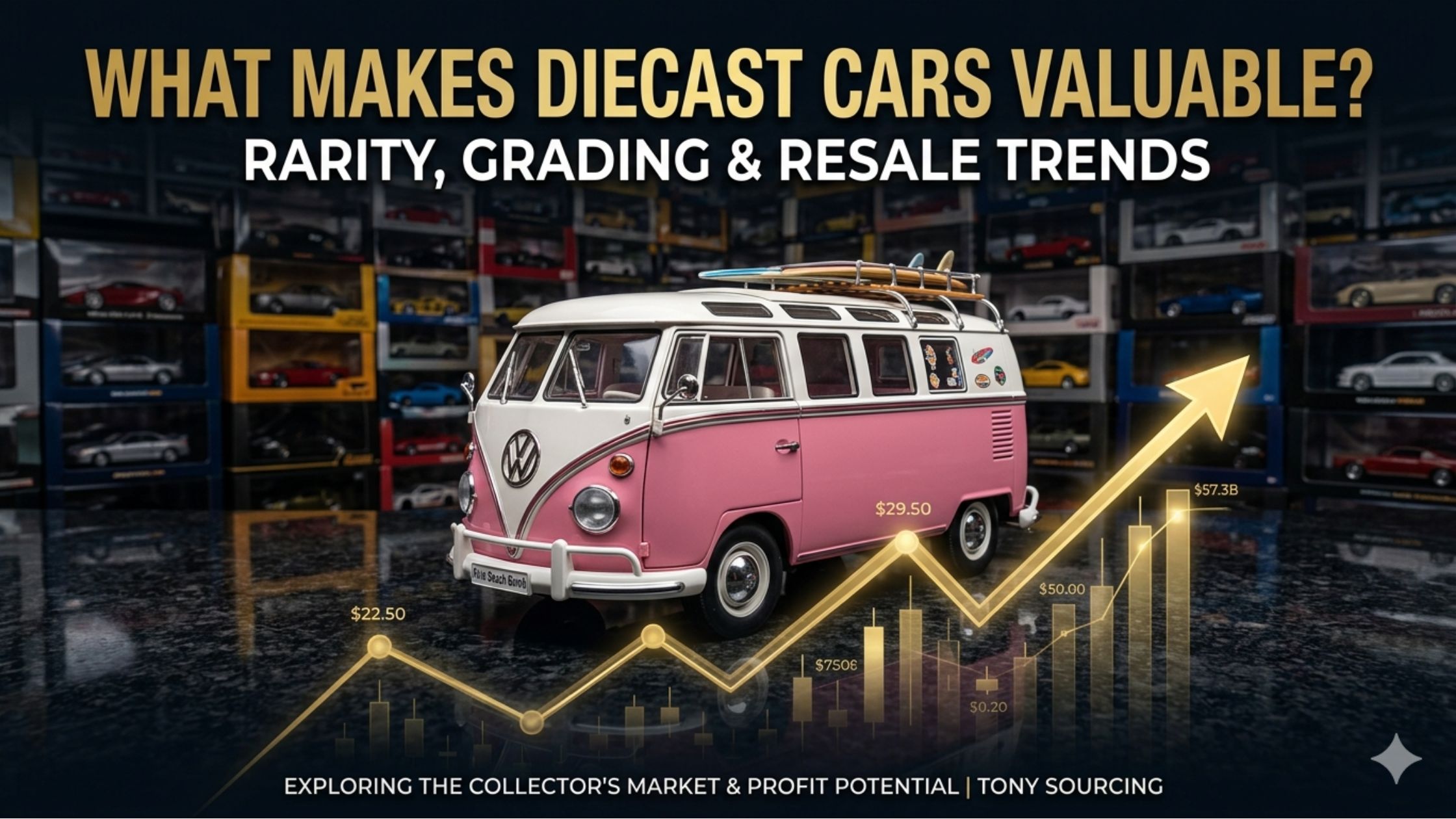
The value of diecast cars can be different. Some diecast cars become more valuable over time.
Brand is one important factor. Models from famous diecast brands often sell for higher prices.
Rarity also matters. Limited edition diecast cars are usually more valuable.
Size can also affect the price. Larger diecast model cars sometimes sell for more money.
Condition is very important for collectors. Diecast cars in good condition usually have better value.
Some old diecast cars may develop zinc pest. This metal problem can damage the model and reduce its value.
#7 Common Quality Problems in Diecast Cars
Diecast cars are usually strong and durable. However, some models may still have quality problems.
Zinc pest is a common problem. Impurities in the metal alloy can cause this problem. It can create cracks or white corrosion on the surface.
Oxidation can also appear on old diecast cars. Over time, metal parts may react with air and moisture.
Paint quality can also affect the model. Scratches or uneven paint can reduce the product quality.
Loose parts are another problem. Wheels or small parts may become unstable after long use.
For collectors and buyers, checking quality and storage conditions is very important.
#8 Diecast Cars vs Plastic Toy Cars
Diecast cars and plastic toy cars have different product features. They are used for different markets in the toy industry.
Cost is one difference. Plastic toy cars are usually cheaper to produce. Diecast cars often have higher prices in the market.
Durability is another difference. Diecast models can last for a long time. Plastic toy cars may wear out more easily after heavy play.
Customization is also different. Plastic toy cars are easy to customize with colors or small parts. Diecast cars usually have more limited customization.
Product format can also vary. Many diecast cars are sold as finished models for display. Some plastic toy cars are sold as play sets or DIY kits.
Collectors also view these products differently. Diecast cars are often collected as model items. Plastic toy cars are usually designed mainly for play.
Both types help wholesalers offer more product choices.
#9 Diecast Cars vs Resin Model Cars
Diecast cars and resin models are both car models. However, they are made for different markets.
Diecast cars are usually produced in large numbers. They are easy to find in toy stores and online shops.
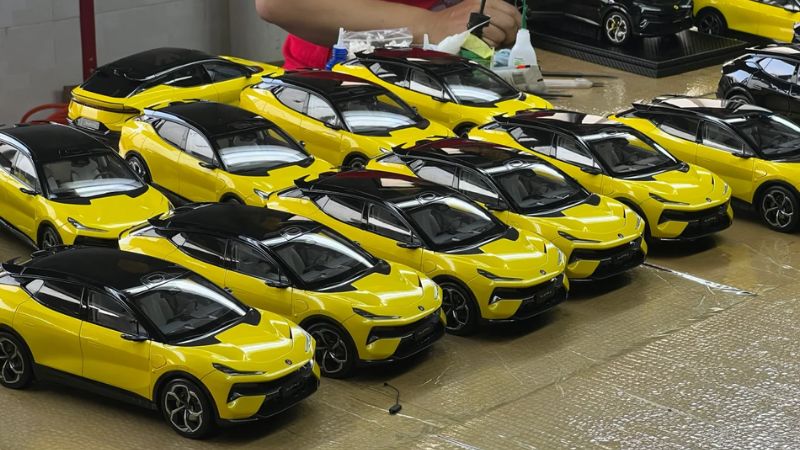
Resin model cars are often produced in small batches. Many resin models are limited-edition products.
Product design is also different. Many diecast cars have moving parts. For example, doors or hoods can open.
Resin model cars usually do not have moving parts. They are mainly used for display.
For distributors, these two types can serve different customers.
Conclusion
Diecast cars are widely sold in toy stores and model shops. Diecast cars come in different sizes, styles, and themes. Many wholesalers include diecast model cars in their product lines. If you want to source diecast cars from China, TonySourcing can help you find reliable manufacturers and stable suppliers.
FAQ:
1. Why are diecast cars considered “pre-assembled” products?
Unlike model kits, diecast cars are finished products. They are ready to display or sell directly from the box. This saves time for end-users.
2. Can Diecast Cars Be Used for Investment?
Yes, rare and limited edition models can increase in value over time. Some vintage models can sell for hundreds or thousands of dollars. They are seen as potential investment opportunities in the toy market.
3. What makes diecast cars a “pop culture icon”?
These models often represent famous diecast cars from movies and TV shows. Because diecast cars are high-quality copies, they become symbols of speed and innovation. This increases the market demand for diecast cars.
4. Why do car dealers use diecast models as marketing materials?
Car makers partner with manufacturers to create miniature versions of real cars. They use diecast cars as promotional tools at auto shows to help fans connect with the car brand.
5. What is the structural strength of a die-cast car?
Diecast cars have a solid structure. The metal body is very strong and hard to break. This makes them more durable than regular toys for play or long-term display.
6. Why are diecast cars more expensive to source?
The material cost of metal is higher than that of plastic. Also, the precision molds and detailed painting process increase the production cost.
7. Can you customize diecast cars for business gifts?
Yes, although the metal body of diecast cars is hard to change, you can customize the paint, logo, and packaging. This makes diecast cars perfect for high-end corporate gifts.
8. Are modern diecast cars eco-friendly?
Yes, many factories now use recycled metal and water-based paints. This reduces waste and energy use, which is important for sustainable sourcing.
9. How do diecast cars act as educational models?
Diecast cars show the history and art of diecast car design. Students can learn about automotive history and mechanical parts by studying these detailed models.
10. How do manufacturers control the weight of diecast cars?
The weight depends on the metal materials. Using more zinc makes the car heavier and stronger. To many buyers, a heavy diecast car means a high-quality product.
11. Why is the “1:64 scale” the top seller in the market?
The 1:64 scale of diecast cars is popular because it is small and affordable. These “pocket cars” are easy for wholesalers to ship and store. The diecast car also fits into many display cases and track sets.
12. Why do car museums display diecast cars?
Museums use the diecast cars to show automotive history in a small space. It is easier to show 100 years of diecast car design using mini models than using real full-size cars. They are great educational tools.
13. Can diecast cars be used for “drop-testing”?
Diecast cars are sturdy, but they are not designed for hard drops. While the metal body of the diecast car is strong, small parts like mirrors or spoilers can break. It is best to treat the diecast cars as delicate collectibles.