11 Types of Educational Toys for Brands and Wholesalers
If you buy toys for resale, you need a working list of the types of educational toys on the market. Not a list of benefits. A list you can check your range against, cost out, and order from. This guide gives you 12 clear types, sorted by what actually changes your factory quote: material, part count, and whether there is a battery inside.
Every type below comes with the same four things: what it teaches, what it is made of, what usually decides the price, and the one thing most buyers get wrong.
1. “Educational Toy” Is Not a Legal Category
Before the list, one thing worth knowing. Nobody in regulation defines an educational toy. The EU and the US both define toys by age, not by learning value.
The new EU Regulation (EU) 2025/2509 says this: a toy is a product made for a child under 14 to play with. The word *educational* never appears. The US mandatory standard ASTM F963-23 works the same way. Your educational toys wholesale shipment is a toy because a child under 14 plays with it. It is not a toy because a child learns from it.
That sounds like a detail. It is not. The label “educational” pushes your goods out of toy law in Europe, and pulls them into toy tariffs in the United States. Section 9 covers what that means for your money. Our guide to what educational toys are goes deeper on the definition side.
It also explains the market-size numbers you keep seeing. Published estimates for this category differ wildly, because each research house throws a different line around the word *educational*. Some count only smart toys. Others count every puzzle and craft kit. Read the definitions before you trust any number in a pitch deck.
2. The 12 Types of Educational Toys
Here is the full set. We sort them by one thing that really matters to a buyer: how much paperwork each type costs you. The groups run from least to most.
- Wood, paper and fabric (types 1 to 5): no power and few parts, so they are cheap to test and ship.
- Builds, magnets and messy play (types 6 to 11): more parts mean more hazards, and more hazards mean more tests.
- Powered toys (type 12): the same toy rules, plus a second set for electronics and batteries.
3. Wood, Paper and Fabric: The Cheapest Types to Certify
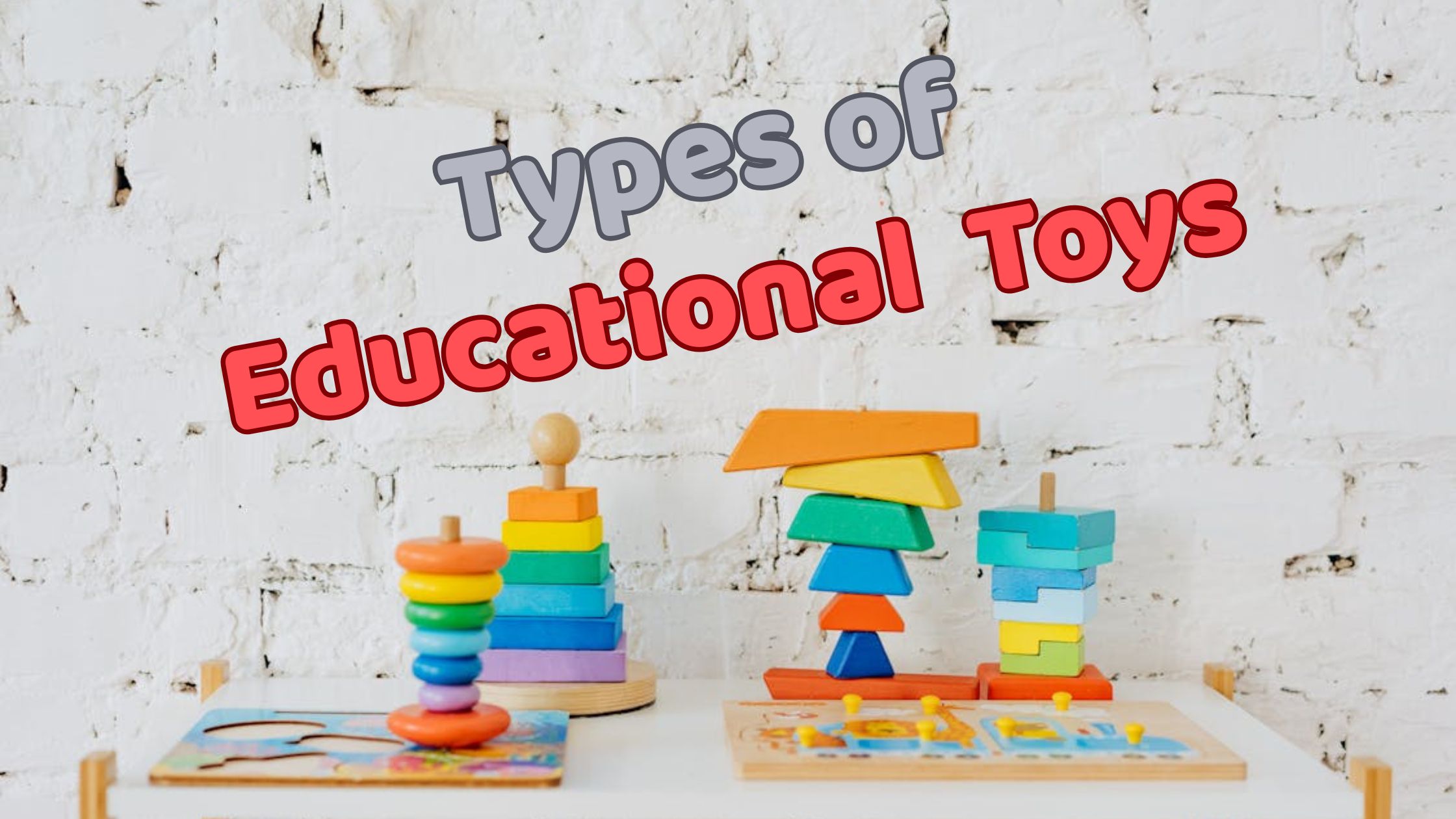
1. Wooden Blocks: Cheap to Make, Hard to Stand Out
Blocks are the oldest type of educational toy and still the easiest to sell. They teach stacking, counting, balance and early shape sorting. Most sets are cut from pine, rubber wood or beech, then sanded and finished with water-based paint.
The cost driver is wood type and finish, not design. A plain 50-piece pine set can land well under US$2 FOB. Buy beech, rounded edges and a printed gift box, and you move into a higher price band. Real listings we checked in Zhejiang quote around US$1.60 down to US$0.96 per set as volume climbs from 1,000 to 50,000 units.
The trap here is standing out. Blocks are easy to copy, so your edge has to come from finish, colour system or packaging. It also links to a wider family of building bricks toys, which we cover as type 6.
2. Wooden Puzzles: Watch the EU 500-Piece Line
Tray puzzles with knobs, shape sorters and chunky frame puzzles all sit in this type. They build fine motor control, matching and shape recognition, usually for ages 1 to 5. This is the core of the Montessori wholesale range most buyers start with.
Typical MOQ is 500 to 1,000 sets, and standard production runs 25 to 30 days, stretching to 45 days once custom tooling or printing is involved. Wooden shape puzzles quoted on Global Sources sit at US$4.80–5.20 per piece at MOQ 500, dropping at 2,000 units.
Here is the one nobody tells you. Under EU Regulation (EU) 2025/2509, Annex I excludes “puzzles with more than 500 pieces”. Above 500 pieces, your product stops being a toy in the EU and stops needing CE toy marking. Below it, it stays a toy. That single number decides your whole compliance file, and most factory quotes never mention it.
3. Language and Alphabet Toys: Strong Demand, Easy to Copy
Letter blocks, alphabet puzzles, flash cards and word-building games. They serve the cleanest demand signal in the category: parents buy literacy before anything else, and schools buy it too.
Most of these are low-risk to make. Card stock, wood letters or alphabet learning toys in plastic carry the least testing load of any type here, because there are no mechanics and no power.
Watch two things. First, language content is market-specific — an English letter set will not sell in Germany, and a mistake here is not returnable. Second, these sell on the *system*, so a 26-piece set that cannot be extended usually dies after one season.
4. Board Games and Matching Games: Best Value Per Box
Memory games, matching pairs, simple dice games and card sets. They teach turn-taking, counting and social rules, which makes them the only type on this list that schools will buy in class sets.
Unit cost is low and packaging carries the value. A game is often cheaper to make than a build set but looks like more money on a shelf. That is why box size, board thickness and card finish decide your retail price more than the game itself.
Get a supplier that prints in-house. Board games toys wholesale runs on print costs, not toy costs. A factory that buys in its cards and boards just adds cost and time.
5. Role-Play Sets: Bulky Shipping, High Perceived Value
Play kitchens, doctor kits, tool benches, shop counters. Children learn social roles, sequencing and language through pretend scenarios, mostly between ages 2 and 6.
These are the worst freight economics on the list. Volume beats weight here, so a big plastic kitchen can cost more to ship than to make. Always ask for carton dimensions and units per master carton before comparing two quotes. They are also the most seasonal type — pretend play toys sell hard into Christmas and back-to-school, and sit flat otherwise.
4. Builds, Magnets and Messy Play: More Parts Means More Testing
6. Building Bricks: Watch Intellectual Property, Not Safety
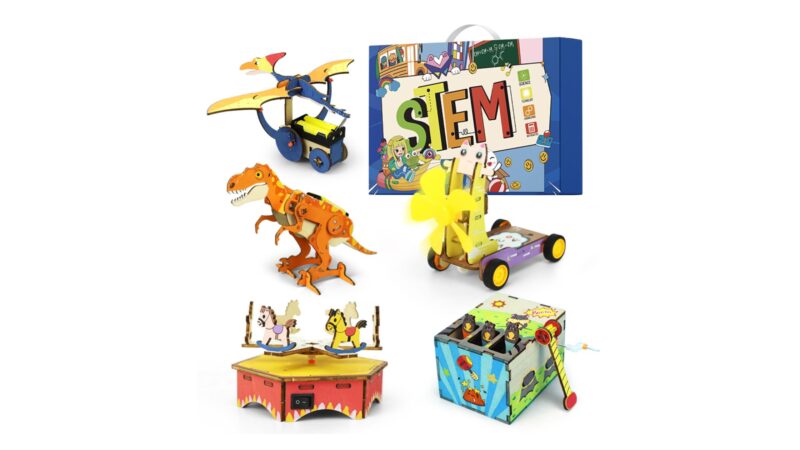
Plastic construction sets, whether generic bricks or own-mould interlocking systems. These develop spatial thinking and planning, and they are the backbone of the STEM educational toys shelf.
Safety is rarely the issue. IP is. Generic bricks are fine, but shapes that echo known brands create listing problems on Amazon and customs problems at the border. Ask the factory directly which part geometries are its own moulds, and ask for the mould ownership in writing.
Cost is driven by cavity count and cycle time. A set with many small parts costs more per set than it looks, because every extra unique part means another tool cavity.
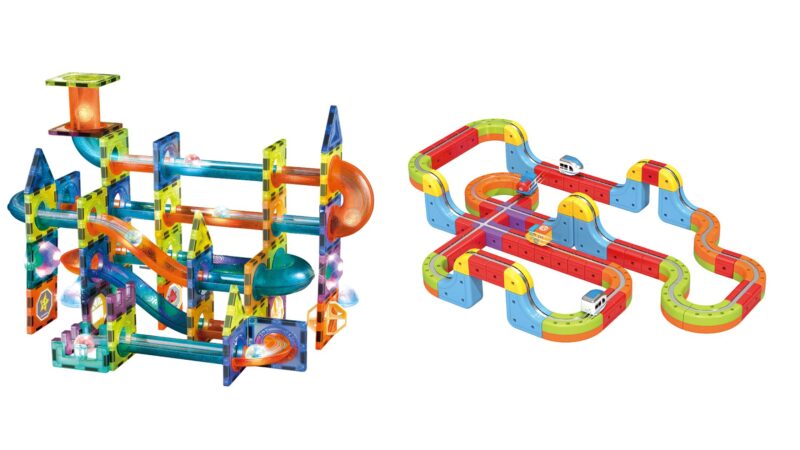
7. Magnetic Tiles: The Type Most Prone to Returns
Translucent tiles with magnets sealed inside, sold as open-ended build sets. They teach geometry and 3D thinking. Demand has been strong for years.
The price sits mostly in plastic weight and magnet strength. Buyers push price down, factories use weaker magnets, and the build collapses in the child’s hands. Then it comes back. Ask for pull-force test data, not just a photo.
Two more checks. Magnets add a specific hazard: if a magnet can come loose, it becomes an ingestion case, not a refund case. And small tiles mean more units per carton, so freight looks better than it should until you add weight.
8. Montessori Practical-Life Toys: Nobody Owns the Word
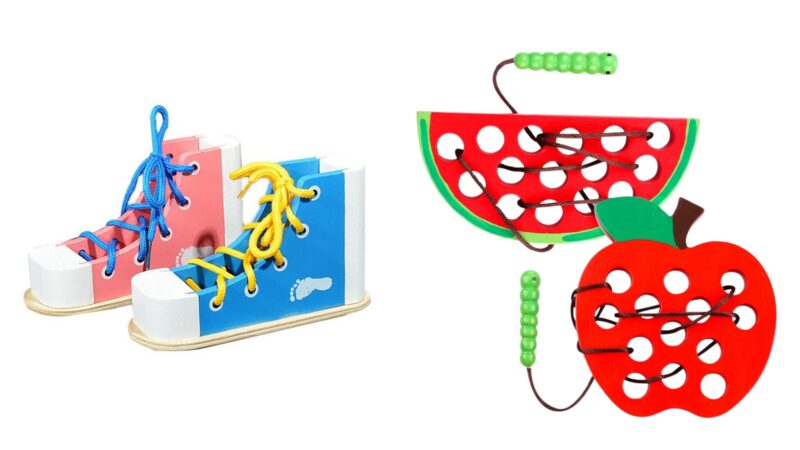
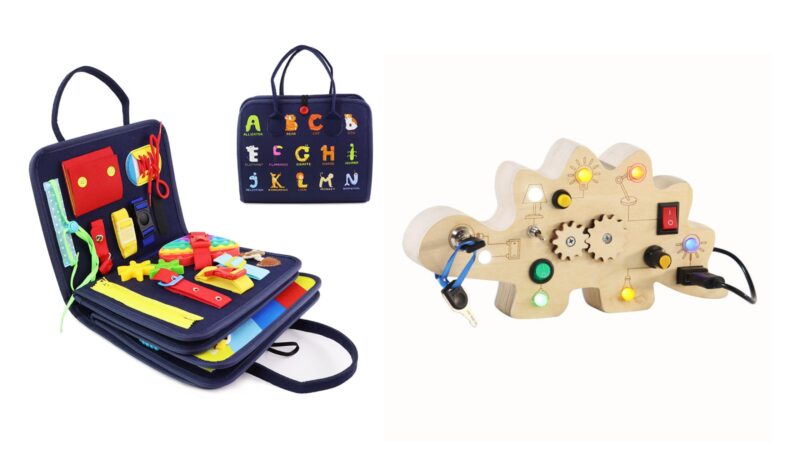
Busy boards, lacing beads, dressing frames, sorting sets. These train daily-life motor skills — buttoning, threading, pouring — usually for ages 1 to 4.
The thing every buyer should know: “Montessori” is a free word. In 1967 the US Patent and Trademark Trial and Appeal Board refused to let one group own the term, ruling it generic and descriptive. Anyone can print it on a box, and it guarantees nothing about what is inside.
So do not buy the word. Buy the spec. It is worth reading across the types of educational toys before you trust any label. Ask for wood moisture content, edge radius, coating type, and whether the water-based paint has a current test report.
9. Arts and Crafts Kits: The Contents Run Out Fast
Drawing sets, clay kits, bead sets, painting kits, modelling dough. Creativity and fine motor work, across a wide age band.
This is the one type with a built-in repeat purchase model, because the contents get used up. That is also why it is often the stickiest private-label line. MOQs are usually modest, and the range on offer is wide — see our arts and crafts toys supplier page.
The catch is chemical compliance. Paints, glues, clays and doughs all get tested under EN 71 Part 3 and ASTM F963 heavy metal limits. Never accept a generic “non-toxic” claim. Ask for the report, check the date, and make sure it covers every colour in the box.
10. Sensory and Messy-Play Toys: The Rule Changed in 2026
Slime, dough, kinetic sand, putty, water beads. These drive tactile learning and calm-focused play, and they move fast in both retail and special-needs channels.
This is the fastest-changing type on the list. The US Consumer Product Safety Commission issued a dedicated mandatory standard for water bead toys, effective 12 March 2026. The reason given: the existing expanding-materials clause of ASTM F963-23 did not cover the known hazard, which is intestinal blockage if a child swallows a bead. So “safe expanding material” is no longer enough — these toys now sit under their own rule.
If you carry sensory toys, confirm with your testing lab that the report explicitly names the new requirement. Our list of toy testing labs covers which labs issue it. Fidget toys often share the same box space and deserve the same check.
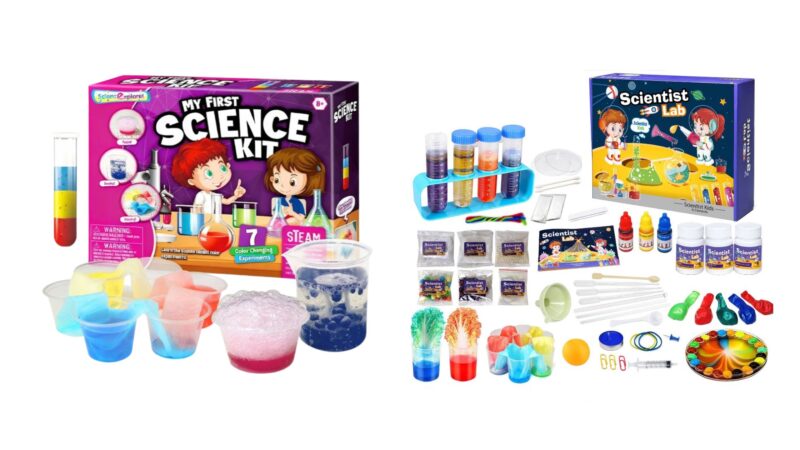
11. Science Kits: Toy or School Equipment?
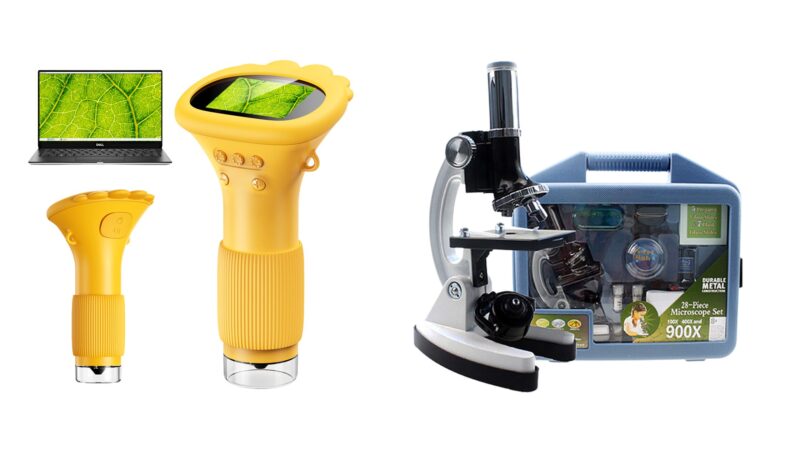
Chemistry sets, crystal-growing kits, microscopes, volcano sets, circuit sets. Observation and reasoning, mostly ages 6 to 12.
This type has the messiest regulatory line, and it is a money question. In the EU, both of these are excluded from toy law under Annex I:
- science equipment used in schools under the supervision of an adult instructor;
- functional teaching products over 24 volts sold only for teaching.
So the same microscope set is outside toy rules as school gear. It is a toy again as a child’s gift. Once again, your box copy decides.
5. Powered Types: Anything With a Battery
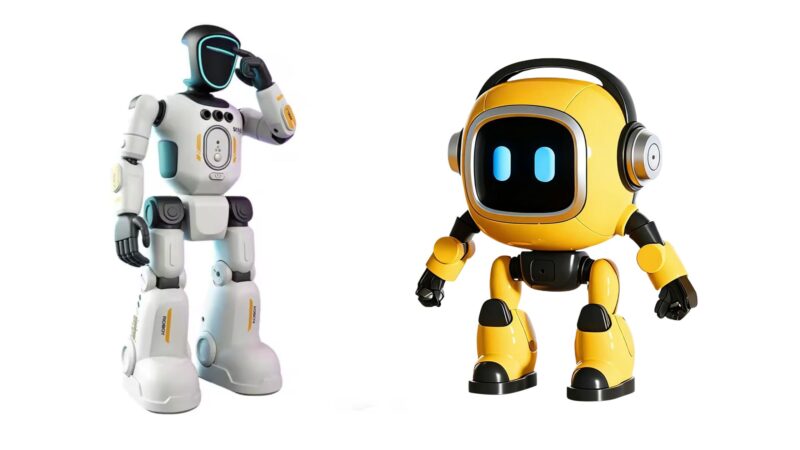
12. Robots, Coding Toys and Talking Devices
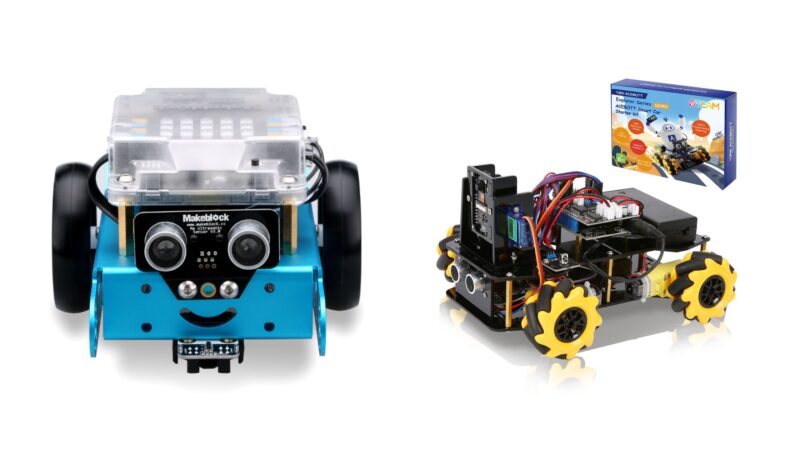
Block-coding robots, screen-free coding mice, AI talking companions, electronic learning books and talking pens. Logic, sequencing and early coding, roughly ages 4 to 12.
This is the highest-ticket type, and it runs under two rulebooks at once. You still test the toy standard, but you also add everything electrical: EN IEC 62115 for the EU, plus battery safety, EMC, radio rules if there is Bluetooth, and often FCC in the US. Every one of those is a separate report and a separate fee.
Because of that, unit cost is only half the story. Budget the test programme as part of your landed cost before you quote a retail price. Our notes on STEM toys from the Shantou showrooms show how much of the quote is hidden here.
6. What Do the Different Educational Toy Types Cost?
The table below is a rough guide, not a promise. Real quotes move with order size, material grade, packaging and season. Unit cost across the types of educational toys varies far more than most buyers expect.
| Type | Main material | Typical MOQ | Typical FOB range | Common lead time |
|---|---|---|---|---|
| Wooden blocks | Pine / rubber wood | 500–1,000 sets | US$1–5 per set | 25–35 days |
| Wooden puzzles | Plywood / pine | 500–1,000 sets | US$1–8 per set | 25–45 days |
| Alphabet toys | Card / wood / plastic | 500–1,000 units | US$0.50–3 per unit | 25–35 days |
| Board games | Card + board | 500–1,000 sets | US$1–5 per set | 25–40 days |
| Role-play sets | ABS / PP / wood | 500–1,000 units | US$3–20 per unit | 30–45 days |
| Building bricks | ABS | 1,000+ sets | US$2–12 per set | 30–45 days |
| Magnetic tiles | ABS + magnets | 500–1,000 sets | US$8–30 per set | 30–45 days |
| Montessori sets | Wood / fabric | 300–1,000 sets | US$2–10 per set | 25–40 days |
| Arts and crafts | Mixed | 500–1,000 kits | US$1–8 per kit | 25–40 days |
| Sensory / slime | Polymer / liquid | 500–2,000 units | US$0.50–5 per unit | 25–35 days |
| Science kits | Mixed | 1,000+ sets | US$3–15 per set | 30–45 days |
| Robots and coding | ABS + electronics | 1,000+ units | US$8–40 per unit | 35–50 days |
On payment, most factories we use quote T/T: 30% deposit, 70% before the bill of lading. Larger orders often go LC at sight. Fix both, plus your Incoterm, in writing.
Also settle the sample cost up front. Stock samples are often free, but you pay the courier. Custom samples usually carry a fee that comes back to you once you place the order.
7. What Pushes Your Cost Up the Most?
Six things move the quote. Everything else is noise.
- Part count. Every unique shape needs its own tool cavity. Cutting ten unique parts to five can drop the tool cost by half.
- Finish, not material. Water-based paint, rounded edges and food-grade oils cost more than the wood itself on cheap sets.
- Packaging. A rigid gift box can cost more per unit than the toy. Printed mailer boxes sit in between.
- Age grading. Anything aimed under 3 adds small-parts testing and stricter limits. The same toy graded 3+ is cheaper to certify.
- Batteries. One battery cell turns a simple toy into an electrical product. It roughly doubles the test bill.
- Order timing. Chinese factory capacity tightens hard before peak export months. Late orders cost more, not less.
For a fuller breakdown by channel, see the baby toy wholesale price guide.
8. Which Type Should You Start With?
Start from who buys from you, not from what looks fun.
| If you sell to… | Start with | Why |
|---|---|---|
| Amazon and cross-border | Magnetic tiles, sensory sets, coding robots | High ticket, strong visuals, good reviews volume |
| Supermarkets and chains | Wooden blocks, board games, puzzles | Steady shelf staples, easy to replenish |
| Schools and nurseries | Montessori sets, matching games, science kits | Bought in class sets, repeat to the school year |
| Promotional and gift buyers | Alphabet toys, small craft kits | Low unit cost, easy to brand, easy to mail |
Our China toy wholesale guide maps these to real factory areas, from the Chenghai plastics cluster in Shantou to the wooden toy belt in Zhejiang.
9. Classification: Where “Educational” Costs You Money
This section is short, and it is the one that saves real money.
In the United States, educational toys are toys. The Explanatory Notes to HS heading 9503 list educational toys as an example, giving toy chemistry, printing, sewing and knitting sets. In one US Customs ruling, three children’s science kits were classified under 9503.00.0090, with the reasoning that “any actual learning is incidental to the items’ amusement value”. An older ruling refused to split the instruction manuals out of a chemistry set for separate duty treatment. The whole set goes in as one toy.
In the European Union, educational products can fall outside toy law. Regulation (EU) 2025/2509 excludes school science equipment used under an adult instructor, and reading and educational books for children over 36 months with no play value. The same regulation also excludes puzzles with more than 500 pieces, and its customs annex spells out the matching line: puzzles with 500 pieces or less.
Why this matters:
- Your duty line changes. Ask your broker to confirm the code before you agree a price.
- Your test bill changes. Outside toy law means no EN 71 programme — but you lose the claim too.
- Your marketing sets both. Write “for home play” and you are a toy. Write “for classroom use under supervision” and you may not be.
Important timing note. Regulation (EU) 2025/2509 entered into force on 1 January 2026 but only applies from 1 August 2030. Until then, the old Directive 2009/48/EC is still the rule for EU shipments. Plan the digital product passport requirement now, not in 2030.
10. How to Check a Factory Before You Order
Four steps. Do them in this order.
1. Ask what they actually make. Many “factories” are trading desks. Ask for a factory floor video with the date spoken aloud. 2. Ask who owns the moulds. This decides whether you ever get an exclusive product. It also decides your IP risk on bricks and figures. 3. Ask for current test reports, in your name or theirs, dated within 12 months. Check the product matches the one you are buying. 4. Order a pre-production sample and keep it. That is your reference unit for the container.
Then confirm the boring things: MOQ, unit price at your real volume, sample cost and whether it comes back on order, production days after deposit, Incoterm, and payment terms. Full shipping guidance sits in how to import toys from China, and market options in the Yiwu toy market buying guide.
11. FAQ: Types of Educational Toys
What are the main types of educational toys? Twelve types cover the market:/n- wooden blocks and stacking sets
- wooden puzzles and tray puzzles
- alphabet and language toys
- board games and matching games
- role-play sets
- building bricks
- magnetic tiles
- Montessori practical-life toys
- arts and crafts kits
- sensory and messy-play toys
- science and microscope kits
- robots and electronic learning devices
What HS code applies to educational toys? Most educational toys ship under HS heading 9503 in the United States, because the Explanatory Notes list educational toys inside that heading. Wooden puzzle listings we reviewed quote 9503.00.6000. Always confirm with a broker before you price an order.
Are Montessori toys a separate legal type? No. “Montessori” is not a protected term. A 1967 trademark board ruling declared the word generic in the United States, so any maker can use it. Buy to a written spec instead.
Which type has the lowest MOQ? Usually Montessori sets, alphabet toys and board games, where 300 to 500 sets is often workable. Robots and coding toys carry the highest MOQs because of tooling and electronics.
What certifications do educational toys need for the US and EU? For the US, ASTM F963-23 has been the mandatory standard since 20 April 2024, plus CPSIA tracking labels. For the EU, Directive 2009/48/EC with EN 71 still applies until 1 August 2030. Toys with water beads now face an extra US rule that took effect on 12 March 2026. You can compare labs in our toy testing guide.
How long does production take? Around 25 to 45 days for non-electronic goods, and 35 to 50 days for anything with a battery or a custom tool. Add shipping on top.
Can I mix types in one container? Yes, and most buyers should. Mixing lets you test more types for less money. But check that your supplier can join loads from several factories without adding hidden fees.
Final Thought
Two mistakes cost buyers the most money. The first is treating all 12 types of educational toys as one thing. They have very different paperwork, freight and return profiles. The second is accepting a quote that never mentions which rulebook applies.
If you want help mapping educational toy types to your channel, our team does this every day. Start with the range you want to test, your target retail price, and the markets you ship to. Send those three things to the team through our sourcing inquiry page, and we will come back with a shortlisted set of types and real factory quotes.
If you are still comparing suppliers, read Top 21 toy manufacturers in China and our comparison of China toy sourcing companies before you commit volume.