Read This Before Visiting and Buying from Yiwu Market
So, you’re planning a trip to Yiwu Market, huh? Good for you! This bustling marketplace is a treasure trove for those looking for affordable products. But before you pack your bags, let’s break down everything you need to know.
Table of Contents
Toggle#1 What is Yiwu Market?

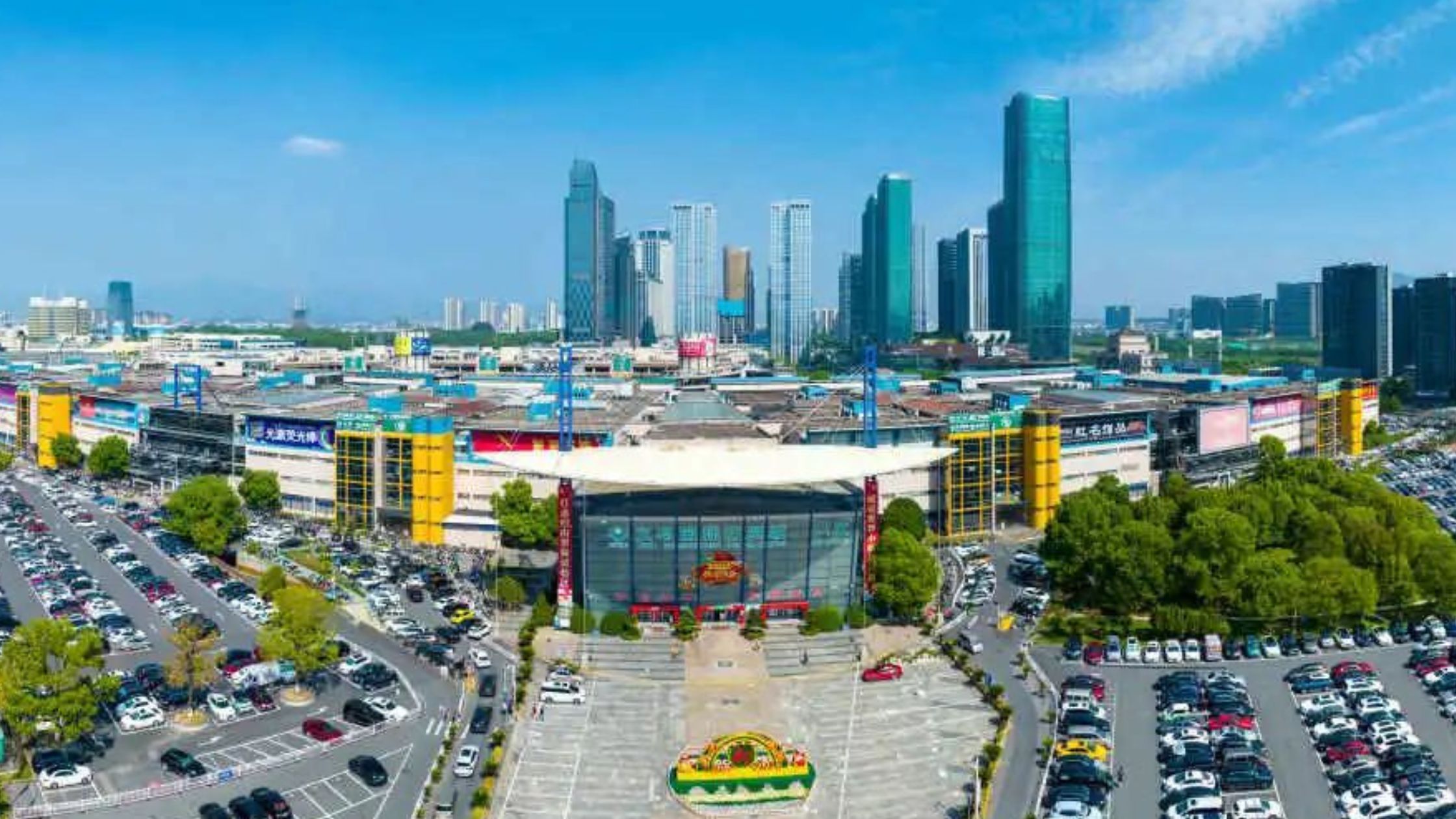
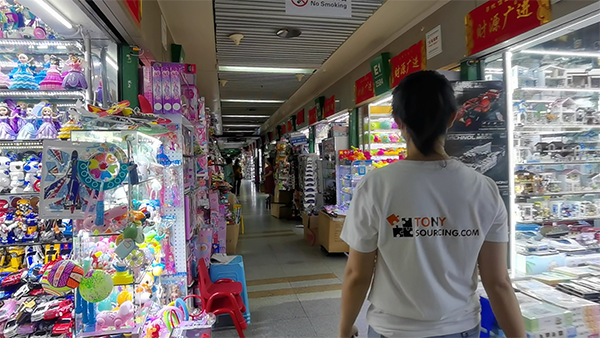
Officially known as the Yiwu International Trade City, this is the heart of global small commodity trade. Unlike a typical trade fair that lasts a week, this market is open year-round. It is divided into five massive districts covering over 5 million square meters. It’s effectively a permanent exhibition where factories from all over Yiwu China showcase their latest designs directly to global importers.
For a professional buyer, this is the best place to see market trends before they hit Amazon or local retail shops. Because the sellers are often the factory owners or top-tier distributors, you get to see the source of the products. Whether you are looking for toy production hubs or household essentials, this market represents the most complete supply chain in the world.
#2 What do they sell at Yiwu Market?
This wholesale paradise is a one-stop-shop for almost any non-technical consumer good. Here is the layout of Yiwu China:
District 1: Artificial flowers, toys, jewelry, and ornaments.
District 2: Tools, hardware, electronics, luggage, and clocks.
District 3: Stationery, sporting goods, cosmetics, and apparel accessories.
District 4: Socks, hosiery, belts, and general daily necessities.
District 5: Imported goods, textiles, and car accessories.
This is just a small sample of what you can find at Yiwu Market. The market is constantly evolving, with new products being introduced all the time.
#3 Where is Yiwu Market Located?
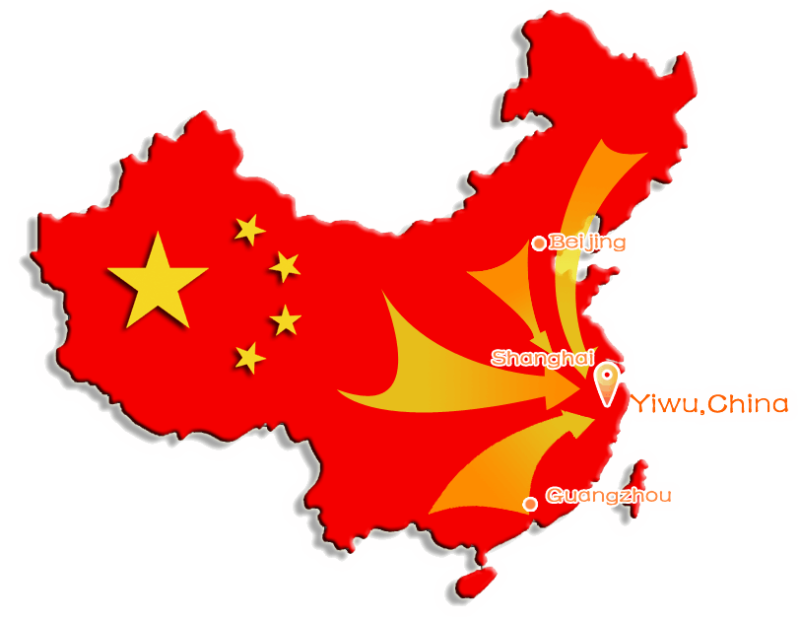
It’s situated in Yiwu City, Zhejiang Province, China. This bustling metropolis has become synonymous with wholesale trade due to the immense scale of the market.
Getting to Yiwu Market
By Air: Yiwu has its own international airport, making it convenient for travelers from around the world. Yiwu Airport (YIW): Offers both domestic and international flights.
By Train: Yiwu is well-connected by China’s extensive railway network. High-speed trains provide efficient transportation from major cities like Shanghai and Hangzhou.
By Bus: There are long-distance bus services to Yiwu from various cities in China.
Once you arrive in Yiwu, the market is easily accessible by taxi, bus, or you can even walk if your accommodation is nearby.
#4 How to Buy From Yiwu Market?
Shopping at Yiwu Market can be an overwhelming but rewarding experience. Here’s a guide to help you navigate this massive marketplace:
Yiwu Market Shopping Guide
- Prepare before you go: Research products you’re interested in and have a clear idea of what you’re looking for.
- Bargaining is key: Expect to haggle for better prices. It’s a common practice in Yiwu.
- Check product quality: Inspect items carefully before purchasing.
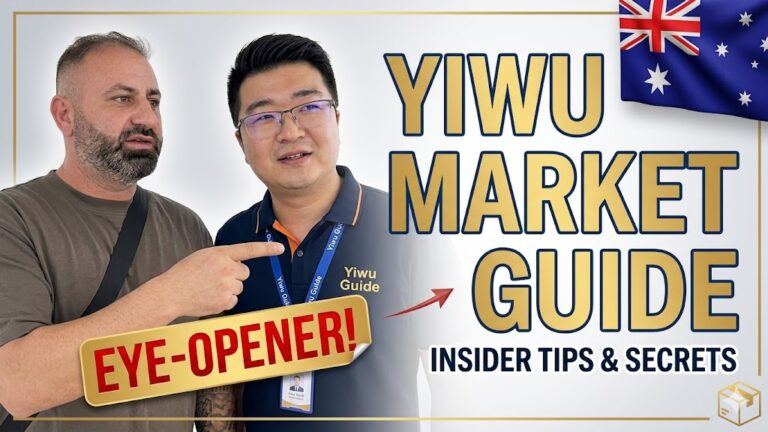
- Consider hiring a guide: If you’re unfamiliar with the market, consider hiring a local guide.
- Take pictures: Document products you like for reference.
- Bring cash: While credit cards are accepted in some places, cash is still widely preferred.
- Be patient: The market is huge, and finding what you need might take time.
One-Day Tour of Yiwu Market
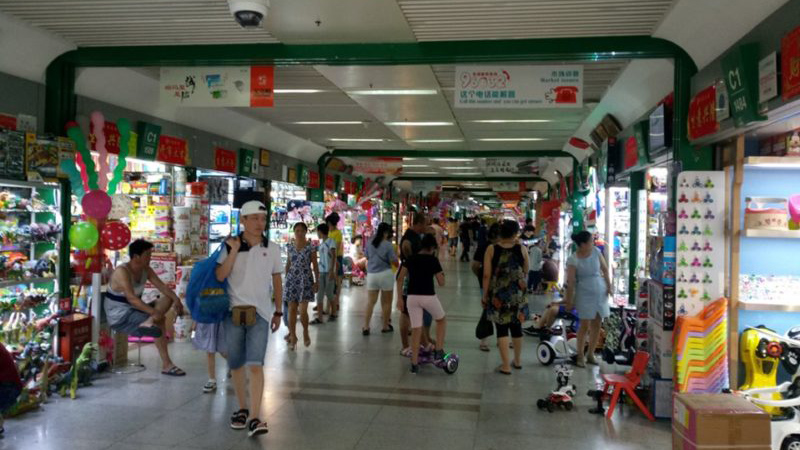
If you only have one day, focus on specific product categories. Here’s a possible itinerary:
- Morning: Explore the fashion district for clothing, accessories, and shoes.
- Afternoon: Visit the toys and gifts section for unique items.
- Evening: Check out the electronics and gadgets area.
Must-Visit Areas in Yiwu Market
Yiwu Market is divided into different districts, each specializing in specific product categories. Some popular areas include:
- No.1 : Home to fashion accessories, jewelry, and small gifts.
- No.2 : Primarily for toys, gifts, and stationery.
- No.3 : Focuses on household items, kitchenware, and decorations.
Remember, this is just a general guide. The market is constantly evolving, and new products and areas are always emerging.
#5 How Much Does It Cost to Buy Things at Yiwu Market?
Yiwu Market is renowned for its incredibly low prices, making it a shopper’s paradise. However, the exact cost of products can vary depending on several factors:

- Product type: Different product categories have different price ranges.
- Quantity: Buying in bulk usually results in lower per-unit prices.
- Bargaining skills: Haggling is expected in Yiwu, and you can often negotiate better prices.
- Product quality: Higher quality products generally come with higher price tags.
Wholesale Prices at Yiwu Market
As a wholesale market, Yiwu offers prices significantly lower than retail. You can expect to purchase products in bulk at very competitive rates. However, it’s essential to remember that the minimum order quantity (MOQ) often applies.
Bargaining Tips
Bargaining is a common practice in Yiwu, and it’s expected that you’ll negotiate prices. Here are some tips:
- Start low: Offer a price significantly lower than the initial asking price.
- Be prepared to walk away: This tactic often encourages sellers to lower their price.
- Know your market: Research average prices for the products you want.
- Be polite and respectful: A friendly approach can go a long way.
Remember, the goal is to find a price that works for both you and the seller.
#6 How to Purchase Goods from Yiwu Market
Buying from Yiwu Market can be an exciting but complex process. Let’s break down the steps:
Yiwu Market Purchasing Process
Research and Planning:
- Identify the products you want to purchase.
- Determine your target quantity and budget.
- Research suppliers and compare prices.
Visit the Market (Optional):
- If possible, visit Yiwu to inspect products and negotiate directly with suppliers.
- Take pictures and samples for reference.
Find Suppliers:
- Use online platforms like Alibaba, Global Sources, or Yiwugo to find suppliers.
- Request quotes and compare prices
Order Placement:
- Communicate with suppliers to finalize product details, quantities, and pricing.
- Place a formal order with payment terms and delivery details.
Quality Control:
- Specify quality standards and request product samples.
- Consider hiring a quality control inspector.
Shipping and Logistics:
- Arrange shipping with a freight forwarder or the supplier.
- Understand import/export regulations and customs procedures.
Payment:
- Common payment methods include T/T (telegraphic transfer), L/C (letter of credit), and PayPal.
- Be aware of potential scams and payment fraud.
Yiwu Market Agents
If you’re unfamiliar with the market or don’t have the time to handle the process yourself, consider hiring a sourcing agent. They can assist with:
- Product sourcing
- Quality control
- Shipping and logistics
- Customs clearance
Remember, purchasing from Yiwu Market requires careful planning and attention to detail. By following these steps and being cautious, you can successfully source products and build strong supplier relationships.
#7 Yiwu Market vs. 1688: Which is Right for You?
Yiwu Market and 1688 are both popular platforms for sourcing products from China, but they offer different approaches.

Yiwu Market: The Physical Marketplace
- Physical location: Yiwu is a physical market where you can see, touch, and inspect products before purchasing.
- Vast product range: Offers an incredible variety of products.
- Bargaining culture: Expect to haggle for better prices.
- Time-consuming: Requires travel and on-site negotiation.
1688: The Online Wholesale Platform
- Online platform: A digital marketplace operated by Alibaba.
- Wide product selection: Similar to Yiwu, offers a vast range of products.
- Direct contact with manufacturers: Allows you to connect directly with suppliers.
- Convenience: Offers online ordering, payment, and shipping.
Which is Better?
The best choice depends on your specific needs and preferences:
- If you prefer a hands-on shopping experience and enjoy bargaining, Yiwu Market is a good option.
- If you value convenience, time efficiency, and a wider selection, 1688 is a strong contender.
- For a combination of both, you can explore products online on 1688 and then visit Yiwu to inspect samples or negotiate deals.
It’s also worth considering factors like product quality, minimum order quantities, and shipping costs when making your decision.
Summary: Master Your Yiwu Sourcing
Sourcing from Yiwu China offers massive potential, but success depends on managing the “technical dry goods”: handling 30+ suppliers, ensuring strict quality control, and consolidating logistics. Whether in toy production or general merchandise, never skip safety standards—a “cheap” deal is a liability if it fails at customs. At TonySourcing, we take the BS out of the process, handling inspections so you can focus on your brand. Don’t navigate the world’s largest market alone—contact us today!
FAQ: Sourcing from the Yiwu International Trade City
Q1: What are the typical opening hours for the market?
The market is open 365 days a year (except during the Chinese New Year holiday, which usually lasts about 15-20 days). Standard hours are from 9:00 AM to 5:00 PM. Unlike temporary trade fairs, this is a permanent exhibition, so you can visit anytime to see the latest trends in toy production and general merchandise.
Q2: Can I buy single items or small quantities at the booths?
Generally, no. Yiwu China is a wholesale hub, not a retail mall. Most suppliers have a Minimum Order Quantity (MOQ) of at least one full carton per item. If you are looking for single pieces, you will likely be turned away or charged a significantly higher retail price. It’s best to come with a “bulk buying” mindset.
Q3: Do the suppliers in Yiwu speak English?
Most vendors speak what I call “Calculator English”—they are experts at negotiating prices using a calculator or a translation app. However, for complex technical details, such as discussing safety standards or custom quality control requirements, you will need a professional sourcing agent or a translator to ensure nothing is lost in translation.
Q4: How do I handle payments to 20 or 30 different suppliers?
This is a major headache for individual buyers. Most vendors only accept RMB (local currency) or local bank transfers. This is where an agent like TonySourcing is vital. You pay us in USD, and we handle the currency exchange and pay every single supplier on your behalf, providing you with one clear, consolidated invoice.
Q5: How can I ship goods from multiple different booths?
If you buy from multiple districts in Yiwu China, you will end up with dozens of small shipments. We provide a consolidation service where all your orders are sent to our central warehouse. We then load everything into a single container (FCL) or a shared container (LCL), saving you a massive amount in international freight and local port charges.
Q6: How do I ensure the quality is consistent before the goods leave China?
Never assume the mass production will be identical to the showroom sample. You need a quality control inspection before the final payment. We check for common issues like color variance, packaging durability, and basic functionality. For items like electronics or toys, we verify they meet the necessary safety standards for your home country to avoid customs seizures.

![How Much Does a Yiwu Market Agent Cost? [Transparent Breakdown]](https://tonysourcing.com/wp-content/uploads/2025/05/How-Much-Does-a-Yiwu-Market-Agent-Cost-Transparent-Breakdown-768x432.jpg)